Influences
Jazzablanca 2026: Small X proves that rap can be done differently
It was not simply a feature between rap and jazz, but a true rewriting. Small X, AMG, and Saib deconstructed the codes of their respective worlds to deliver one of the most ambitious performances of this edition of Jazzablanca.

By prioritizing volume too often, we end up forgetting depth. Rap has let itself be hypnotized by algorithms, disposable hooks, and oversized egos. So when an artist chooses to slow down, to remove rather than add, we almost instinctively become suspicious.
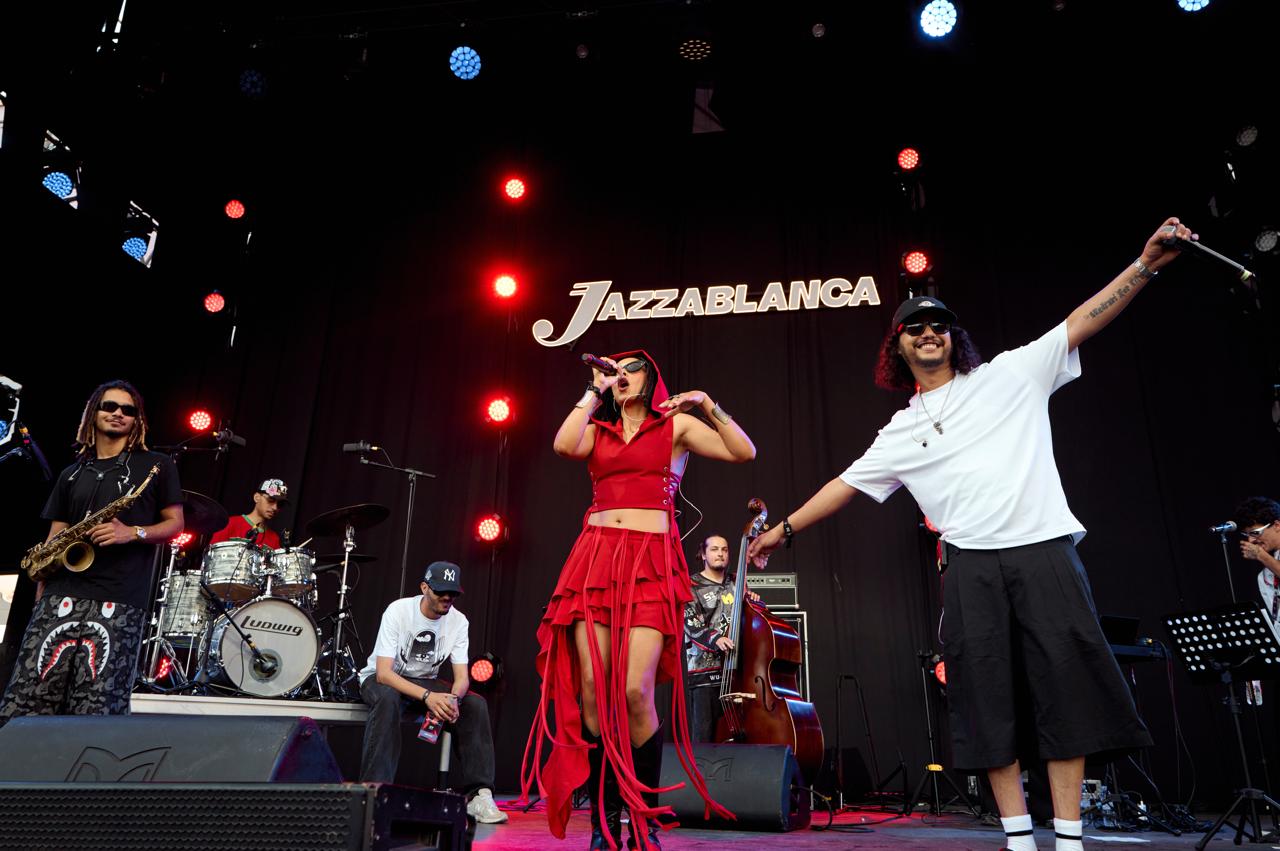
And yet, on Jazzablanca’s Stage 21, Small X proved that there is still another way to make rap. A way where every silence weighs more than showy effects. With the AMG quartet and producer Saib, he took apart what he does best (rap) to see what remained in his veins.
For more than ten years, Small X has established himself as one of the rare Moroccan writers capable of transforming the intimate into political matter without ever sinking into posturing. The project Nafida, imagined during an artistic residency in Morocco, pushes this logic to the bone by choosing a rap that stops trying to convince and begins to breathe.
On stage, AMG refuses the comfortable role of accompanist. The musicians open up breaches. The drums break certainties, the piano suspends breathing, and the bass lines maintain a fragile balance between tension and calm. Then Saib covers the whole with an analog veil where lo-fi textures, jazz harmonies, and electronic layers are never just decoration. They subtly alter the balance.
Small X’s flow then stops being a technical demonstration. It becomes one instrument among others, sometimes rough, sometimes almost whispered. Improvisation does not seek a feat. It creates a permanent tension, as if each piece might collapse before miraculously finding its balance again. This live creation reinterprets Nafida through jazz, organic arrangements, and a boldly embraced willingness to take risks.
We thought we knew a frontal rapper. Then we discovered an artist who finally accepts showing his blind spots. His independence has never looked like a declaration of war against the industry. It looks more like an almost pathological inability to lie to himself. Where so many artists pile on layers to hide their doubts, Small X does exactly the opposite. He removes, refines, and makes things vulnerable. Every empty space says more than the punchlines.
This concert was nothing like an exercise in fusion between rap and jazz. That word is too comfortable to describe what really happened. We witnessed a collision between two ways of inhabiting time. On one side, the urgency of words. On the other, the patience of groove. From that shock, music was born that refuses categories just as it refuses certainties.
Yesterday, Small X did something rarer. He opened a window and forced us to look outside. And that is already immense.