Kingdom
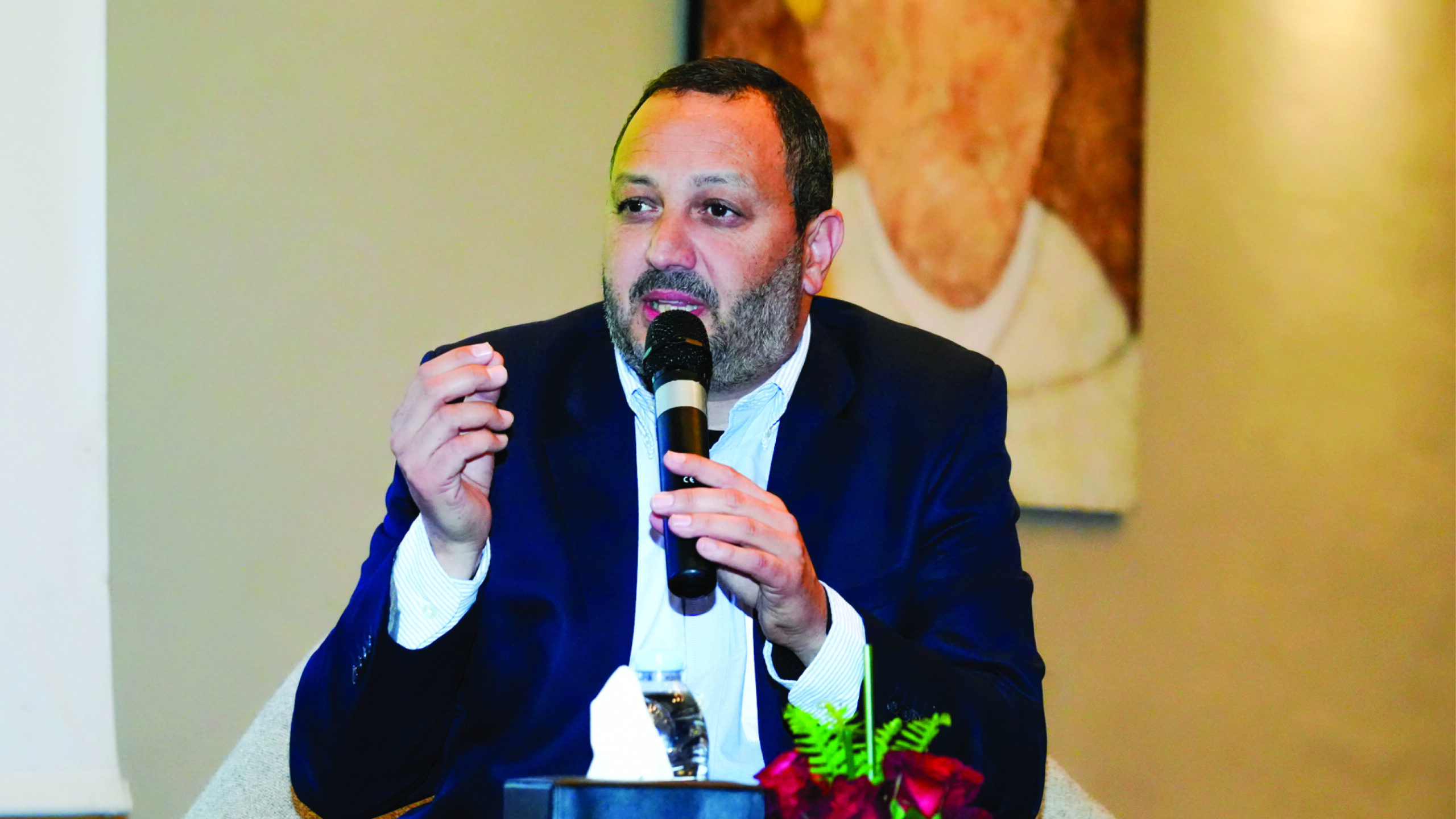
Younes Serghini: “Keeping Heritage Alive and Building the Future”
Family tradition, global ambition, tax challenges, training of artisans… The director of Atelier Serghini Pottery and Ceramics shares his perspective on a sector undergoing major transformation, one that is destined to establish itself as a fully fledged economic industry.

Between Family Tradition and Global Ambition
“Our story is closely tied to the pottery and ceramics of Safi, a city renowned for the richness of its artisanal heritage. Today, I represent the eighth generation of our family involved in this craft.
Over time, we have worked to develop this know-how and give it visibility far beyond Morocco’s borders, eventually becoming a leading actor in our field.
In this way, we have contributed to promoting Moroccan pottery internationally, particularly in the United States, Russia, South Africa, and many other countries.
This know-how is an integral part of our DNA. The attachment and passion that customers and tourists show for our traditional creations encourage us every day to go further.
Working as a family nevertheless remains a constant challenge. Differences in vision between generations are natural and ultimately contribute to the evolution of the craft. Moreover, Moroccan handicrafts are currently experiencing real growth and have evolved significantly in recent years.
Our products are now exported to all corners of the world, including countries known for their artisanal traditions such as India, where they are recognized for their authenticity and the quality of their craftsmanship.
However, the main challenge remains the training of artisans, which continues to be an essential undertaking to ensure the sustainability and development of the sector.”
A Heritage to Protect, Not to Tax
“In principle, Moroccan artisanal products should not be subject to VAT, because they are not standard industrial products but above all the expression of ancestral know-how.
Handicrafts embody a living memory, a cultural and identity-based heritage that is essential to preserve and protect. Taxing these creations in the same way as standardized products weakens an ecosystem already facing numerous challenges, particularly the transmission of crafts and the sustainability of traditional workshops.
Supporting handicrafts means recognizing their cultural value as much as their economic value and enabling artisans to continue sustaining a heritage that contributes to Morocco’s international influence.”
From Seasonal Craft to Continuous Activity
“Being an artisan is truly an art. This profession requires both the skills of a mathematician and a chemist and, above all, mastery of deep know-how in order to excel. In the past, handicrafts evolved in cycles over several decades, alternating between periods of prosperity and slowdown.
Today, this logic has changed: activity continues throughout the year and now takes place within a more structured framework governed by clearly established professional standards.
For many people, handicrafts are no longer a seasonal activity. Organized units and companies in the sector now operate all year round, with modernized working methods and greater stability. The gap that once existed is therefore gradually disappearing.”
Toward a Crafts-and-Studies Track
“If some artisans still leave this profession, it is often to gain access to social benefits, particularly social security coverage. This shows that the sector must continue its transformation and evolve in order to offer better conditions and ensure the lasting attractiveness of the artisan profession.
Just like sports‑study programs, I believe it would be necessary to establish a real crafts‑and‑studies track, allowing young people to be introduced very early to handicraft professions and to gradually immerse themselves in this art.
Starting at a very young age would not only promote the transmission of know-how but also the development of multiple skills.”