Kingdom
Tarik Sadik: “Handicrafts Must Fully Embrace Their Economic Dimension”
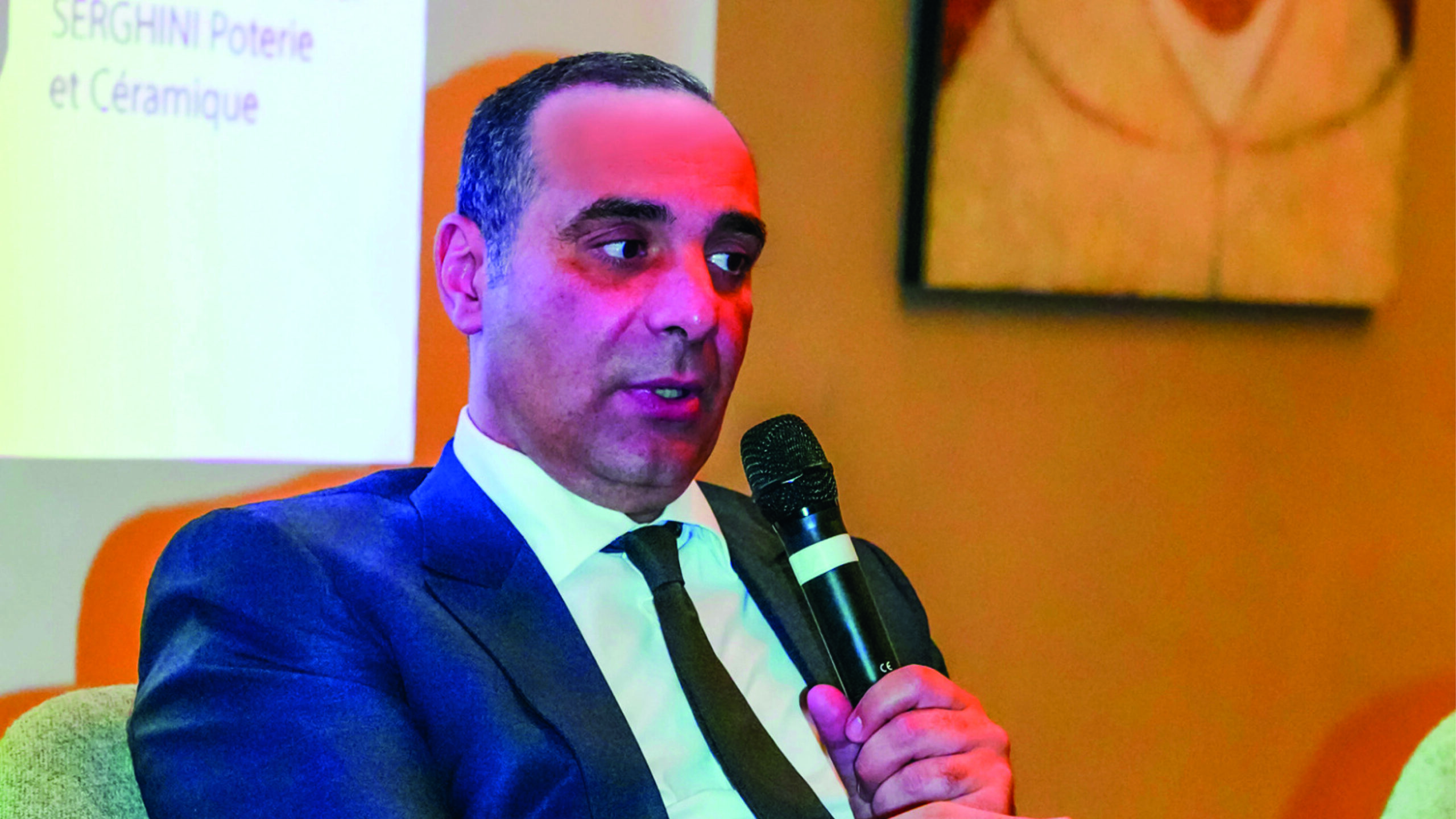
As Moroccan handicrafts surpass one billion dirhams in exports and contribute nearly 10% of tourism revenues in foreign currency, Tarik Sadik, Director General of the Maison de l’Artisan, looks back at the sector’s structuring momentum and its ambitions to turn it into a competitive industry that creates value and is fully integrated into the national economy.

A Strategic Shift in Perspective
“Handicrafts are not a peripheral sector. They directly and indirectly affect a very large number of citizens. Every action we undertake has a concrete impact on the women and men who make a living from their know‑how.
Moroccan handicrafts are now at a pivotal moment in their evolution. As heirs to a centuries‑old tradition and bearers of an identity deeply rooted in the history of the Kingdom, they can no longer be viewed solely through a heritage or social lens. For a long time, the sector was perceived mainly from its social dimension.
That dimension certainly exists. But it cannot fully summarize its reality. Our ambition is to bring about a real shift in perspective: to have handicrafts recognized as a productive, structured sector that creates jobs, wealth, and added value.”
Structuring the Value Chain
“This transformation is not merely rhetorical or based on intentions. It relies on methodical work carried out across the entire value chain. We are part of a coherent organization guided by a clear strategy. Our role at the Maison de l’Artisan is to support this momentum and translate it into concrete actions on the ground.
Structuring operators, continuously raising quality standards, securing access to raw materials, strengthening training, and supporting administrative and commercial procedures: each link in the chain is reinforced with precision. The objective is twofold and clearly stated. On one hand, to strengthen the sector’s competitiveness; on the other, to preserve what makes it unique.
We face a major challenge every day: offering the most competitive products without destroying value, and modernizing without distorting their essence. Moroccan handicrafts are a living heritage. Their strength lies in their authenticity, creativity, and cultural roots. This richness must not be diluted in the name of standardization.
In an international context marked by rapidly evolving trends, intensifying competition, and increasingly demanding consumers, adaptation becomes a strategic necessity. The artisanal product must evolve, reposition itself, and adjust—without ever losing its soul.”
More Than 1 Billion Dirhams in Exports
“Economic indicators confirm this momentum. Today, the sector exceeds one billion dirhams in exports. This highly symbolic threshold reflects a new level of economic recognition and affirms the ability of Moroccan artisans to succeed in demanding markets.
The American market has emerged as the leading destination for exports, followed by the European market. Other regions, particularly in Scandinavia, also offer promising prospects.
However, international openness requires strict standards. In large orders, the first criterion is not only the aesthetic quality of the product. Buyers first assess the level of organization of the operator. Can they issue invoices? Are they compliant with tax regulations? Can they ensure traceability? Are they capable of meeting deadlines and volumes?
Competitiveness depends on credibility. The goal is to help artisans reach a new level of maturity. We must help them cross an important threshold: moving from sometimes fragile or informal operations to a structured model capable of fully meeting international standards.”
Competitiveness, Digitalization, and Transparency
“The strategic importance of the sector, however, is not limited to exports. Handicrafts represent around 10% of tourism revenues in foreign currency. This figure illustrates the central place of artisanal products in the Moroccan tourist experience.
Beyond the object acquired, it is a story, a memory, and a know‑how that are transmitted. Handicrafts extend the visitor’s experience, embody the identity of the country, and actively contribute to its international influence.
An artisanal product is not simply a souvenir. It is a signature. It contributes to Morocco’s attractiveness and to the enhancement of its image internationally. In this perspective, the link between handicrafts and tourism becomes strategic. It is no longer just about selling, but about offering a coherent, high‑quality experience filled with meaning.”
“The modernization of tools constitutes another pillar of this transformation. Digitalization has become a central lever. We have begun the dematerialization of files related to support programs, fairs, exhibitions, and initiatives intended for associations. The objective is to introduce greater transparency and fairness.
The publication of participation rules and evaluation grids reflects the same requirement for clarity. Each operator must know the basis on which they will be evaluated. This transparency allows them to prepare better and improve their performance. Transparency strengthens trust and encourages the development of skills.
The protection of creations is also a structuring challenge. While mechanisms exist at the national level, extending them internationally remains more complex. Protecting an evolving design is not always easy.
On the other hand, brands can be secured. It is essential to raise awareness among artisans about these mechanisms so they can protect and enhance their work. Preserving originality, avoiding trivialization, and consolidating value—these are the challenges in a globalized market where authenticity becomes a decisive competitive advantage.”
A Clear and Sustainable Ambition
“Ultimately, the trajectory is clear and deliberate. We want to make Moroccan handicrafts a fully structured, competitive sector that creates value. This ambition is neither about breaking with the past nor about nostalgia.
It rests on a subtle balance: consolidating achievements, modernizing practices, supporting operators, and at the same time preserving the sector’s living identity. Moroccan handicrafts are not static. They evolve, adapt, and innovate. Our responsibility is to provide them with the means to evolve so they can continue to generate wealth, employment, and international influence for Morocco.”