Business
Phosboucraa, a driver of regional socioeconomic development
It is a company creating value and employment, but also one that puts into action its social and environmental responsibility. Proof by facts.

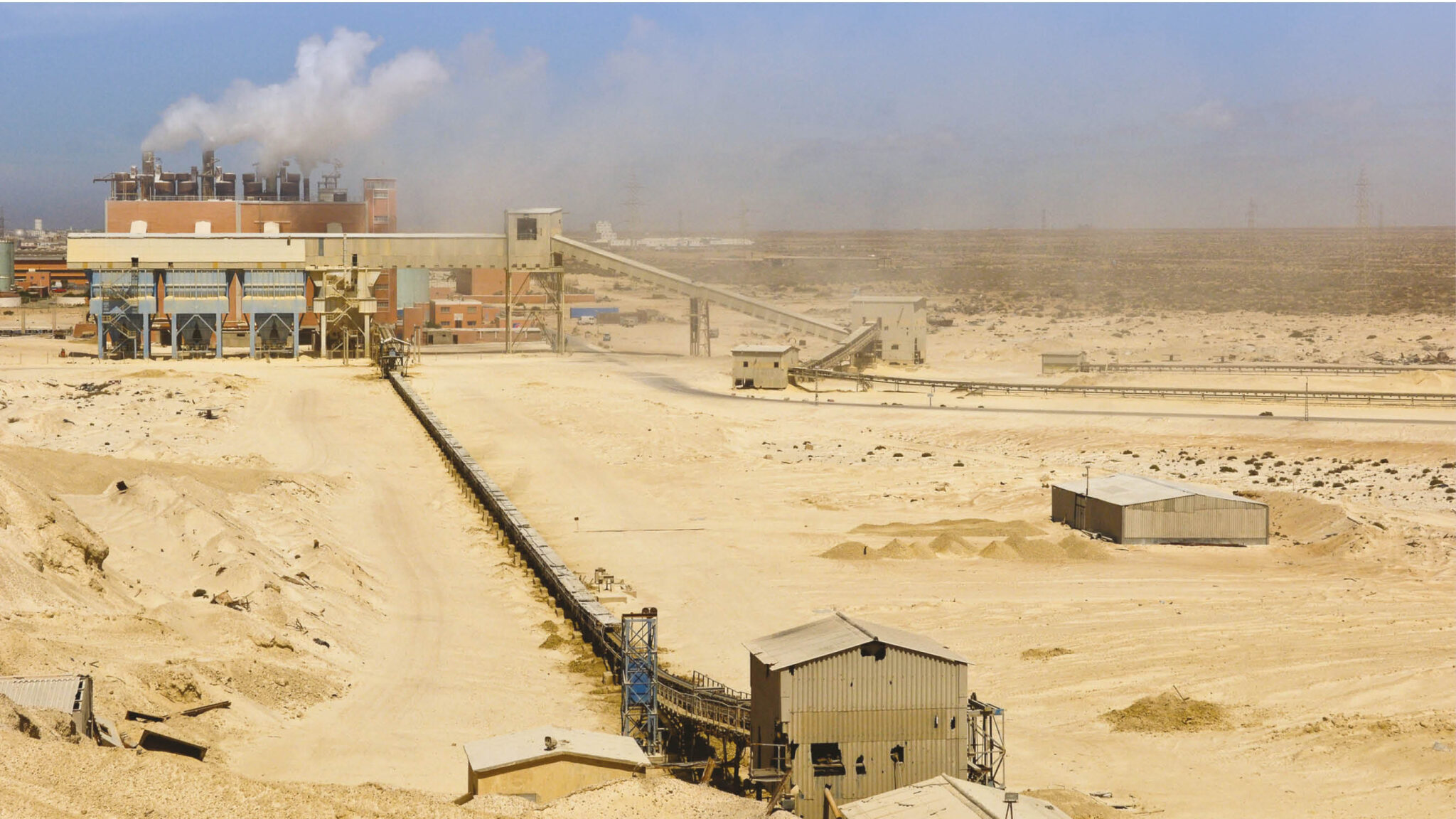
More than just a company, Phosboucraa presents itself as a major catalyst for socio-economic development in the Southern provinces, particularly in the Laâyoune-Sakia Al Hamra region.
Created in 1962 by the Spanish public company Instituto Nacional de Industria (INI), it started its mining operations only 10 years later. A change of course happened in 1976 when the OCP group acquired 65% of its capital, before becoming its sole owner in 2002.
Moreover, according to OCP, about 85% of the total investments aimed at developing Phosboucraa have been made only since the company became the group’s “exclusive owner.” It is explained that “our longstanding commitment to the region goes far beyond the size of its reserves.”
It should be noted, furthermore, that with more than 2,000 employees, the company is the largest employer in the Laâyoune-Sakia Al Hamra region.
Major contributor…
Besides its own activities, the company is in fact a major contributor to the local and regional economy, as it supports a network composed of dozens of small and medium enterprises, suppliers, and service providers, whose employees (80% come from the region) number in the hundreds, even thousands.
Besides this aspect, the company is also characterized by the fact that all its profits (it only became profitable in 2008) are reinvested into the socio-economic fabric of the region. Especially since practically a quarter of its orders benefit local businesses.
Contrary to what was said by parties hostile to the territorial integrity of the Kingdom, it turns out that Phosboucraa is the smallest phosphate ore deposit exploited by the OCP group, as it represents only about 2% of Morocco’s total reserves, according to the US Geological Survey and the International Fertilizer Development Center.
It should also be noted that the Boucraâ mine, located a little over a hundred kilometers south of the city of Laâyoune, has an extraction capacity of 4 million tonnes of natural phosphate per year, transported along a 102-kilometer conveyor, described as “the longest in the world,” to the port of Laâyoune for processing and export.
Thanks to investments estimated in billions of dirhams, these figures will continue to grow, and the addition of a fertilizer manufacturing plant will transform the regional value chain.
It is also reported that direct and indirect employment opportunities, a true priority for the company, “are multiplying as Phosboucraa, with an average annual turnover of 200 million dollars and which accounted for only 2.12% of the total OCP Group turnover in 2021, has committed to a ‘development program of about 1.8 billion dollars to advance its operations in the value chain, from raw materials to phosphate fertilizers by 2026.
In addition to directly creating new local revenues and jobs, investments will indirectly stimulate many more jobs.”
Responsible company
Beyond industrial aspects, the company had planned an investment envelope weighing hundreds of millions of dirhams “for the benefit of social development in the Southern provinces.”
On its official website, the company recalls that “these investments include poverty reduction programs, health and education programs for local populations,” carried out by its Foundation.
Phosboucraa also invested in promoting local socio-economic development projects, combined with the establishment of a technopole, including the UM6P in Foum El Oued, which mobilized an investment of more than 50 million dirhams.
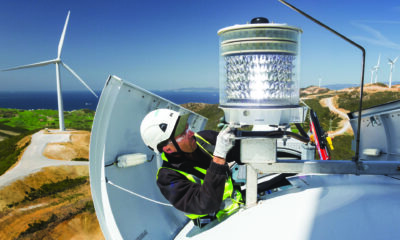
In addition, like all other entities under the OCP group, Phosboucraa has not neglected its environmental responsibility, having invested heavily not only in resource preservation but especially in the development of renewable energies.
Already in the early 2000s, practically 100% of the energy consumed by the Boucraâ site comes from the Foum El Oued wind farm. Along the same lines, the company pays special attention to water consumption rationalization by investing in water treatment and seawater desalination facilities.
A Foundation serving the community
Since May 2014, the Phosboucraa Foundation “carries the social and societal commitment of the OCP group” in the Southern regions. Its goal is to support socio-economic development through the implementation of structuring projects in a participatory approach “involving the various stakeholders.”
Notable actions include supporting sustainable Saharan agriculture, assisting youth through training center setups, granting scholarships, and giving particular attention to supporting the associative fabric of these regions.
The Foundation also promotes culture by enhancing heritage through highlighting regional cultural products and supporting contemporary creation as well as literary and theatrical production.
Moreover, the Foundation gives significant importance to supporting sports practice and high-potential athletes. The dozens of neighborhood sports fields in the city of Laâyoune demonstrate this commitment.