Kingdom
Energy: New jobs that push salaries up
Rising pay, emerging professions and a war for talent: companies are now competing for profiles able to support the strategic shift of the renewable energy sector.

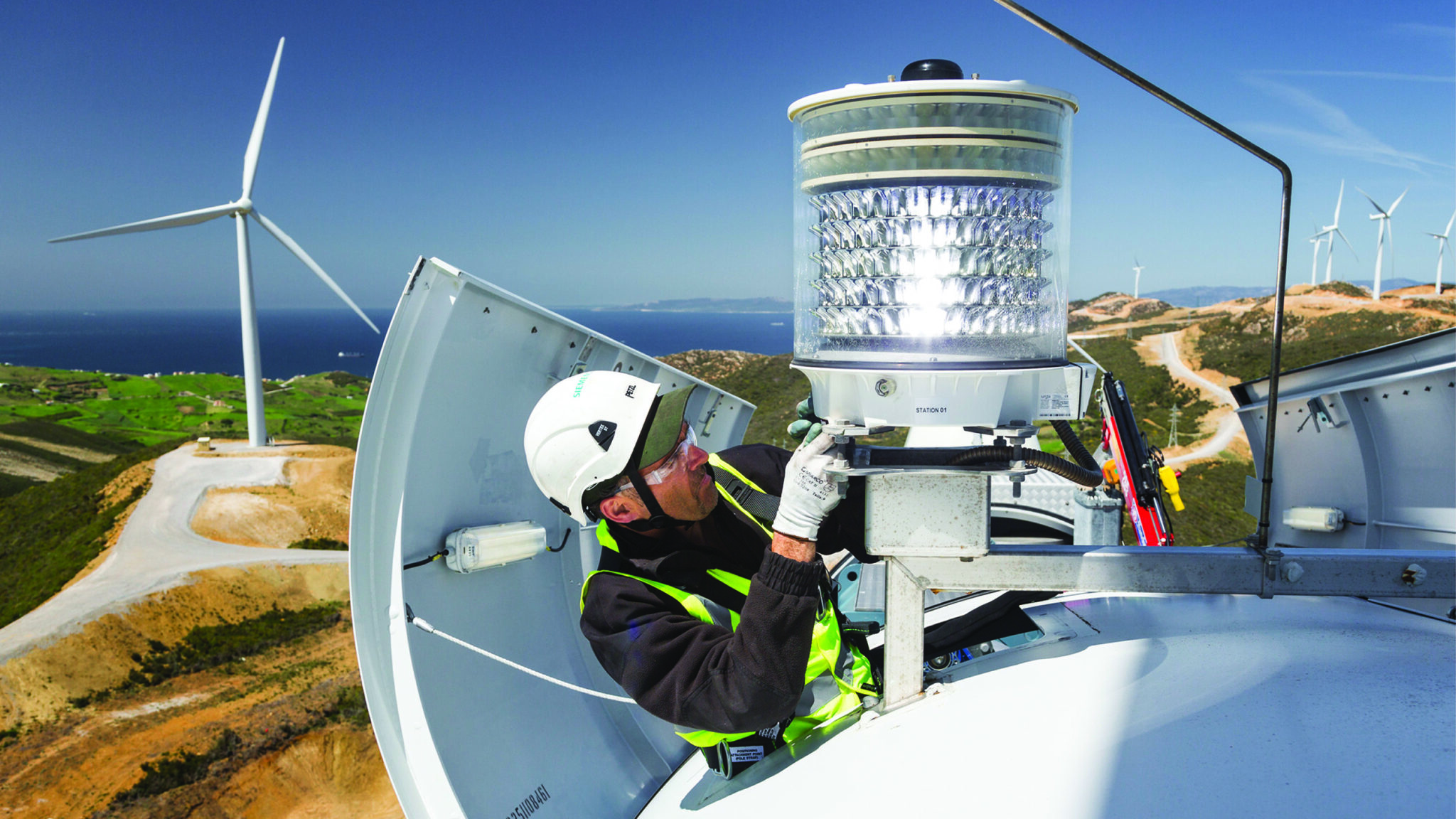
Investments in renewable energies, the electrification of uses and the imperatives of ecological transition make the energy sector one of the most dynamic areas of the Moroccan job market.
Behind the major solar, wind and green hydrogen projects, a silent transformation is underway: that of skills. Specialized engineers, ESG experts, operations managers and energy project managers now rank among the most sought-after and best-paid profiles.
This is what the salary study conducted by RHMetrics reveals, the first Moroccan HR platform that analyzes salary trends in the Moroccan job market across more than 1,200 professions and about fifty sectors of activity.
In energy, the indicators are particularly revealing. The sector shows an average salary of 24,086 MAD per month, a level well above the national average estimated at 17,652 MAD. Even better, pay growth reached 10% between 2024 and 2025, with a projected increase of 12% in 2026.
These figures reflect a deep-seated phenomenon: energy is no longer only a strategic industrial sector; it is becoming a privileged ground for creating human value and competing for talent.
According to Karim Banaoui, CEO of Talent Tech, who set up the platform, “the Moroccan energy sector confirms its position among the most dynamic and attractive sectors of the job market. Fueled by investments in renewable energies, green hydrogen, smart grids and energy infrastructure, the sector continues its transformation at a sustained pace. The RHMetrics indicators reveal a market in full expansion, characterized by strong demand for specialized skills and growing competition for talent”.
An industry in full mutation
Long dominated by traditional production and distribution jobs, the energy sector is now undergoing a profound reshaping. The challenges of decarbonization, storage, intelligent network management and environmental performance are creating new expertise and redefining companies’ needs.
Demand is particularly concentrated on profiles able to lead complex projects or support energy transition strategies. Topping the pay rankings is the energy operations director, with an average salary of 59,280 MAD per month, which can exceed 112,000 MAD for the most experienced profiles.
Roles related to sustainable development and renewable energies also occupy a prominent place. The head of renewable energy development shows an average salary of 36,500 MAD, while the ESG & sustainable development manager reaches 35,000 MAD. These two positions illustrate the rising importance of environmental criteria in corporate strategy.
On the technical side, wind and solar photovoltaic project managers earn average salaries of 30,000 and 27,500 MAD respectively.
These roles benefit from strong demand and favorable growth prospects, reflecting the many projects currently in development across the Kingdom.
The emergence of new specialties is also one of the study’s major findings. The energy storage engineer, specialized notably in battery technologies, earns on average 25,000 MAD.
The Smart Grid engineer, at the heart of electrical network modernization, reaches 24,000 MAD. These professions were marginal only a few years ago. They are now essential to support the transformation of the energy system.
The war for talent intensifies around technical profiles
Although executive positions remain the highest paid, it is mid-level and expert profiles that concentrate the greatest tension in the market.
Renewable energy engineers and energy auditors stand at around 20,000 MAD per month.
The former benefit from sustained demand linked to the multiplication of green projects, while the latter support companies in their energy optimization and regulatory compliance efforts.
Even roles historically less exposed in the media benefit from this dynamic, notably electrical engineers and energy efficiency specialists who show significant salaries in the sector.
The RHMetrics study also shows that the sector recorded pay growth of +10% between 2024 and 2025, with a projection of +12% for 2026, one of the largest increases observed among the sectors analyzed.
The study also highlights several key indicators: 61% of professions are in strong demand, 83% of professions show a positive growth trend.
This skills tension is reflected in the sector’s hiring index, evaluated at 76 out of 100, a level considered favorable. Companies must now compete to attract rare profiles, often courted by several employers simultaneously.
A turnover rate limited to 11%
The situation is all the more sensitive because energy projects require highly technical expertise and professional experience that can be difficult to find on the local market. The result: salaries rise faster than in many other sectors.
Beyond wage levels, the study highlights a more structural reality: the energy transition is becoming a powerful engine of economic transformation. With a turnover rate limited to 11%, the sector retains relative stability compared with other highly competitive activities.
This retention is explained notably by the technicality of the jobs, prospects for advancement and the growing importance given to environmental issues.
“Experience remains a determining factor. The analysis reveals a pay gap of 86% between the lowest-paid profiles and the sector’s expert profiles. This difference illustrates the value placed on experience, technical expertise and the ability to lead complex projects. In a context of strong demand, more and more companies are competing for the same experienced talent”, explains Banaoui.
Energy companies also invest more in transversal skills. Project management, reporting, planning, team management, technical documentation and mastery of regulation now rank among the most valued skills.
“Performance no longer rests solely on technical expertise; it depends on the ability to lead complex projects in an environment in permanent change”, the same source continues.
This evolution accompanies Morocco’s great ambitions in renewable energies, industrial decarbonization and energy sovereignty.
Each new solar park, each wind project or initiative related to green hydrogen generates increased demand for qualified talent.
Energy thus appears as one of the best-positioned sectors for the coming years. Salary growth prospects, the multiplication of structuring projects and the growing sophistication of professions create a virtuous circle that benefits both companies and professionals.
In this context, profiles able to combine technical expertise, strategic vision and an understanding of environmental issues will have a decisive advantage. Because while the energy transition transforms infrastructures, it above all redraws the map of the most sought-after skills in the Kingdom.