Business
Payment Accounts: State Aid Boosts Usage
The digitalization of state social benefit payments acts as a catalyst for digital payments, with very promising initial results. However, much remains to be done.

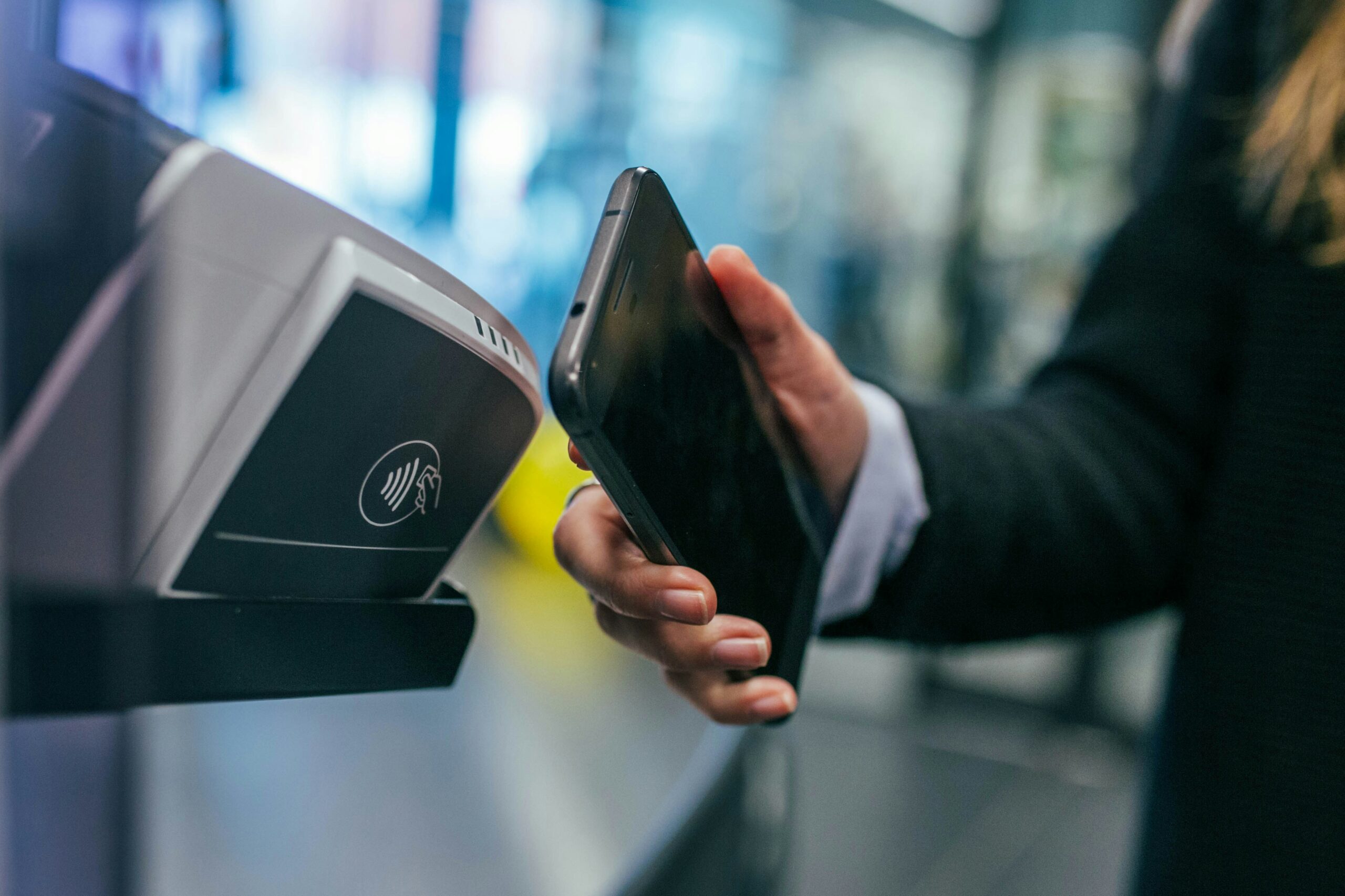
The development of payment accounts is a strategic lever for reducing the use of cash in Morocco and progressively integrating unbanked populations into the formal economy.
After a timid start, these accounts, also called M-wallets, have seen a notable increase in usage for some time now. The number of opened payment accounts indeed stood at 13.8 million by the end of 2024, a 33% increase from the previous year, representing an additional 3.47 million accounts, according to Bank Al-Maghrib statistics.
These accounts were only 7.7 million in 2022 and 3.1 million in 2020, representing an average annual growth rate of 45.3% over the 2020–2024 period. In terms of transactions, the increase is even more spectacular: the volume of transactions made via payment accounts more than tripled (+323%), reaching 43.6 billion dirhams in 2024!
This promising progress is closely linked to a strategic choice made by the Moroccan state to boost the use of digital tools: the digitalization of social benefit payments. Direct aid, aid following the Al-Haouz earthquake, aid following floods, CNSS transfers…
All of these transfers have been made since 2023 through digital channels, particularly via the payment accounts of payment institutions, which have established themselves as trusted strategic partners of the state in this regard.
Out of the 43.6 billion dirhams in transactions made via payment accounts in 2024, 22 billion came from social aid transfers, representing over half of the total.
By adopting this scheme as part of the National Financial Inclusion Strategy (SNIF), the state has initiated one of the most effective means to reduce cash circulation in the country. Because this mechanism profoundly transforms the way beneficiaries receive and use public money.
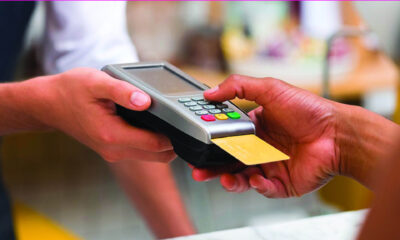
Firstly, digitalization puts an end to the physical distribution of cash, which was previously done at counters or local administrations. Allocations, whether for AMO Tadamon, Tayssir, or other social programs, are now credited directly to a wallet or payment card, eliminating cash handling and trips to withdraw money.
Secondly, beneficiaries are increasingly using these electronic accounts to pay their bills, make purchases, or transfer funds. Thus, every transaction that stays within the digital circuit represents that many banknotes and coins that do not re-enter circulation.
Cash withdrawals remain dominant
Despite these advances, several structural challenges remain: withdrawal operations still account for 58% of operations on payment accounts.
Furthermore, the number of active payment accounts in Morocco (an account is considered active once it has recorded at least one transaction in the last quarter) stood at 3.81 million compared to 1.83 million units in 2023.
The activation rate stands at 27.6% in 2024, up from the previous year (17.6%) certainly, but which remains below the maturity standards observed in other comparable economies. It must be said that the barriers to a massive digitalization of payments remain numerous.
Two of these obstacles are particularly penalizing: on the one hand, a still limited familiarity of part of the target population with digital payment solutions. On the other hand, an insufficient acceptance network, particularly among small merchants. It is precisely on these two aspects that the public authorities are intensifying their efforts.
Financial education programs are multiplying, while the equipping of merchants with POS terminals is receiving new impetus following the dismantling, during 2025, of CMI’s monopoly in the acquiring market, opening it to new players, particularly payment institutions, which once again find themselves on the front line to bring about a cashless Morocco.