Business
Nadia Fettah: “Co-Hosting the 2030 World Cup Could Create Over 100,000 Annual Jobs in Morocco”
The economic impacts of co-hosting the 2030 World Cup have been rigorously modeled, culminating in an estimated 1.7% boost to growth.

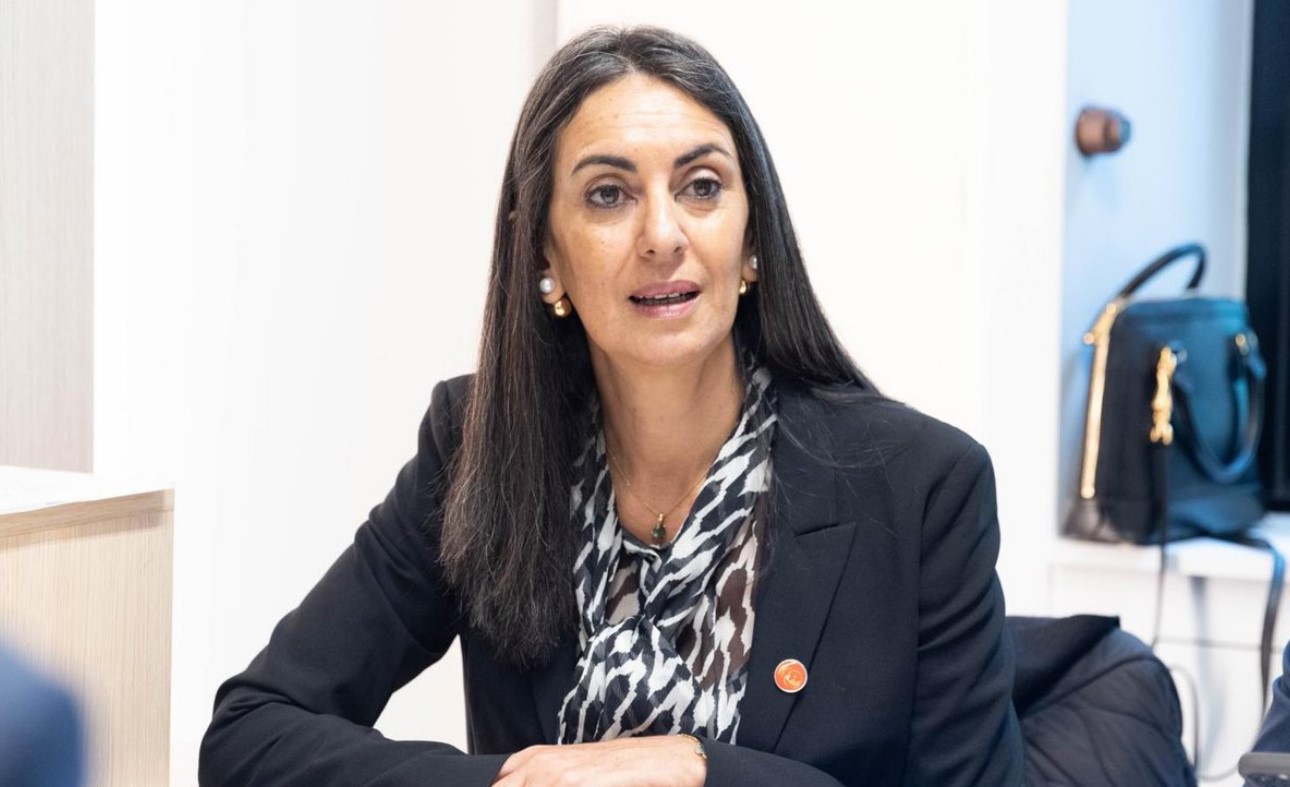
Morocco’s joint hosting of the 2030 FIFA World Cup with Spain and Portugal would enable the Kingdom to create over 100,000 jobs annually, stated Morocco’s Minister of Economy and Finance, Nadia Fettah, on Friday in Rabat.
“The economic impacts of co-hosting the 2030 World Cup have been rigorously modeled, culminating in an estimated 1.7% boost to growth and the creation of over 100,000 jobs per year. However, the critical factor remains ensuring this momentum translates into concrete and beneficial outcomes for all stakeholders,” said Ms. Fettah during the second panel of the 8th edition of the Morocco Today Forum (MTF). She emphasized that this dynamic presents an opportunity both for large Moroccan companies, which already possess the scale to accelerate their growth, and for small and medium-sized enterprises (SMEs), which must be fully integrated into this transformation to leverage its benefits and strengthen their capacity.
She further stressed: “What we are experiencing today represents a transformative pathway for our country—not by 2030, but starting now—to build a more inclusive future.”
Regarding financial inclusion, Ms. Fettah noted that co-hosting the World Cup offers a major opportunity to accelerate artisans’ access to financial services via mobile banking, while enhancing mobility and connectivity infrastructure, which are vital for sustainable and equitable regional transformation.
For her part, Amal El Fallah Seghrouchni, Minister Delegate for Digital Transition and Administration Reform, outlined the foundations of a new service culture needed to support this strategic project. She highlighted three pillars: trust in digital tools, citizens’ ability to interact with digital platforms, and accountability as a cornerstone for evaluating and improving public services.
On trust, she stated: “We are currently working on the digital law, which will be proposed next term after validation by competent authorities and then submitted to Parliament.” This legislation, developed by the ministry in collaboration with the National Commission for the Control of Personal Data Protection (CNDP), the General Directorate of National Security (DGSN), the General Directorate of Information Systems Security (DGSSI), and the Digital Development Agency (ADD) under its oversight, aims to establish lasting trust between citizens and digital services.
In addition to training and awareness campaigns, the ministry is investing in generative artificial intelligence, a key driver for democratizing digital access, she added.
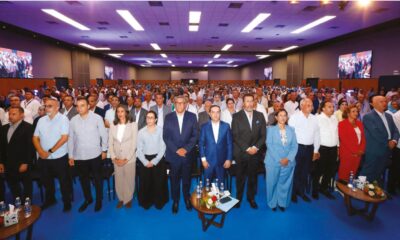
Held under the theme “Leveraging the 2030 Milestone to Accelerate Morocco’s Sustainable and Inclusive Socio-Economic Development,” the event also featured participation from Minister of Industry and Trade Ryad Mezzour; Chakib Alj, President of the General Confederation of Moroccan Enterprises (CGEM); and Mohamed Kettani, CEO of Attijariwafa Bank Group.
MTF 2025, organized by Le Matin Group under the theme “Vision of a King – Morocco 2030: Strengthening the Foundations of a Great Nation,” included a video keynote by Head of Government Aziz Akhannouch and brought together a host of national and international figures, including policymakers, researchers, and leaders from the sports, economic, digital, and media sectors.