Influences
Lahcen Saâdi: “The Cooperative Is No Longer to Be Viewed as a Marginal Alternative”
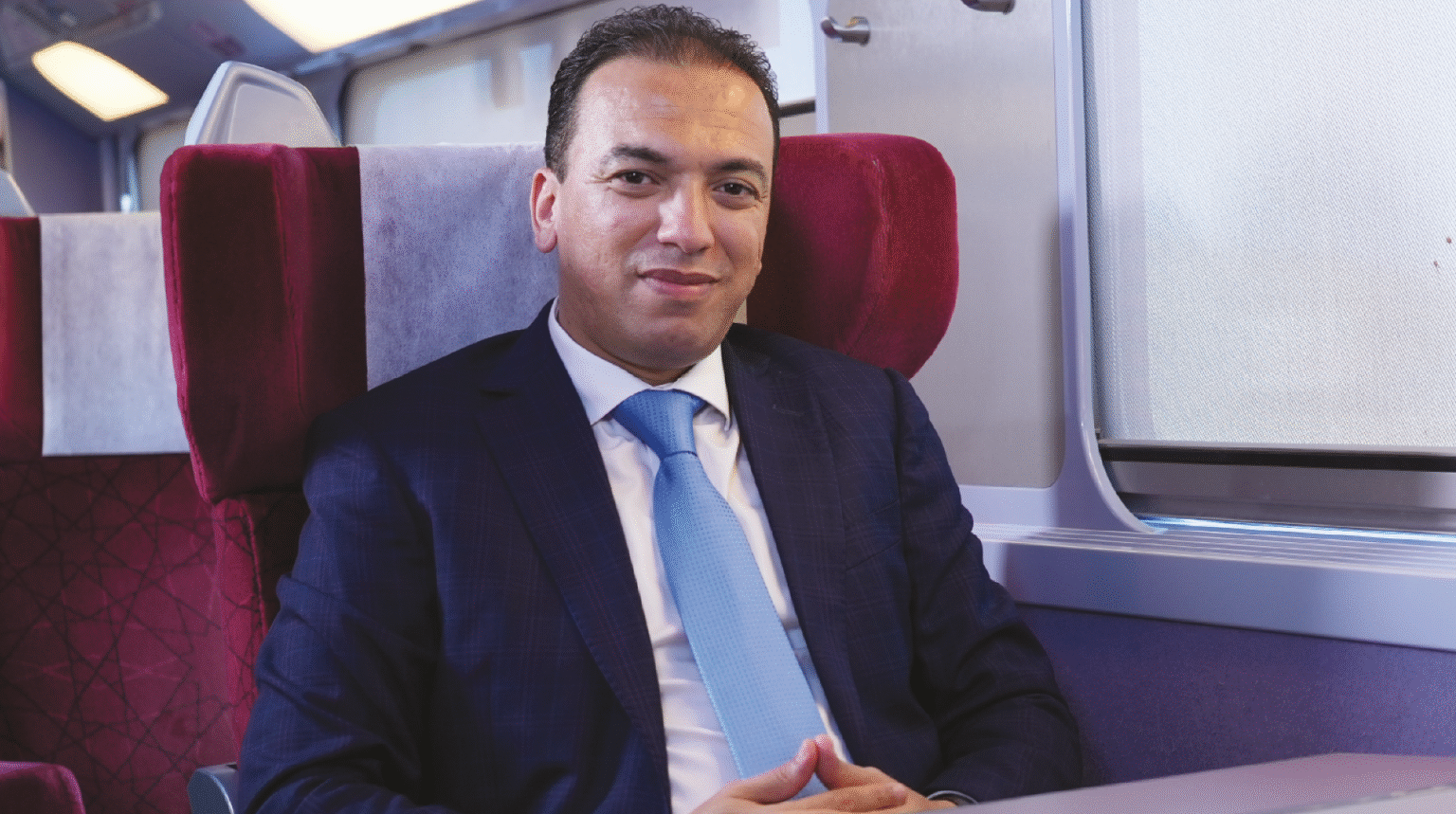
For this new installment of our interview series onboard Al Boraq, the Secretary of State for Handicrafts and the Social and Solidarity Economy joins the journey to assess his department’s initiatives, as well as the broader scope of government action.

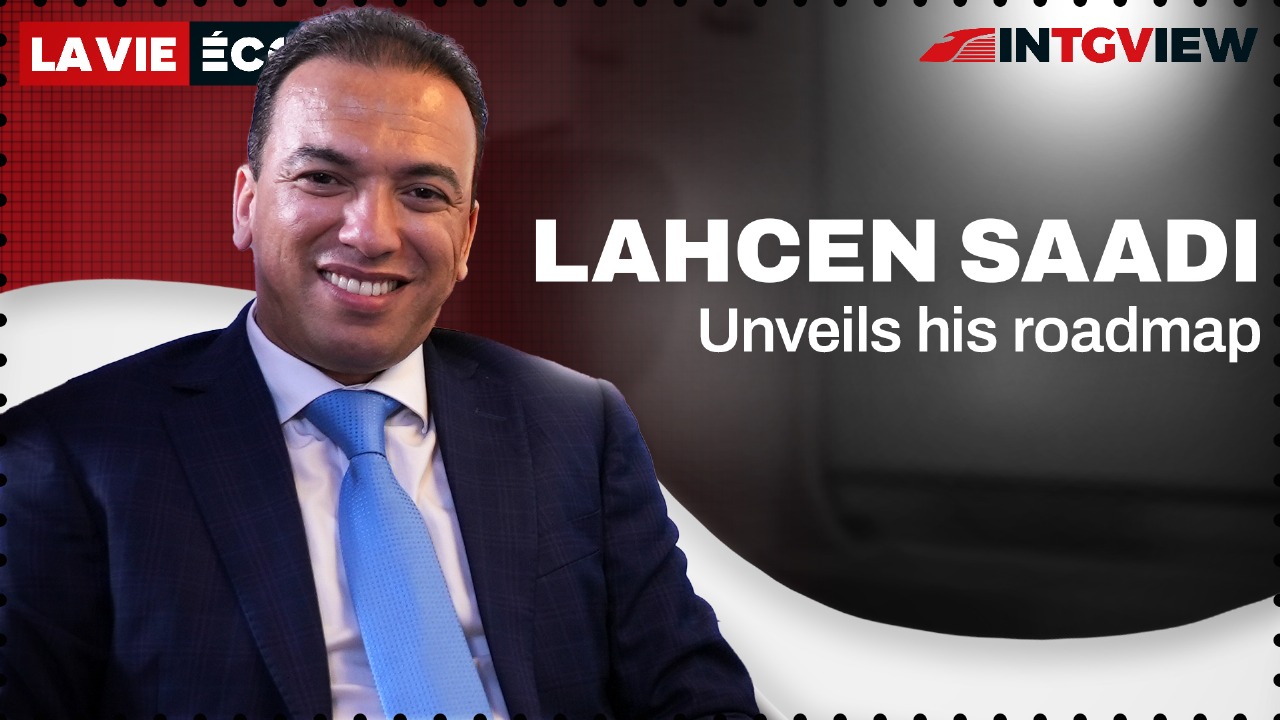
Since assuming office last October, the young Secretary of State has been active on all fronts. Between field visits, agreement signings, and program launches, the Handicrafts, Social and Solidarity Economy sector is abuzz with activity and current developments.
This is because the head of the department is keenly aware of the sector’s potential, as well as the gaps that need addressing. And as both president of the RNI Youth and the youngest government official in the Akhannouch II cabinet, political considerations inevitably come into play.
You have been at the helm of the Department of Handicrafts and the Social and Solidarity Economy for approximately nine months. Could you briefly outline your key achievements and the initiatives you’ve launched so far?
I cannot begin without reiterating my pride in the royal trust placed in a native of this country, hailing from rural Morocco, who is no stranger to the handicraft sector. I come from a rural community whose livelihood depends on handicrafts and cooperatives.
As such, it was not difficult for me to adapt to the sector and grasp its challenges and the existing strengths to build upon. Over these nine months, our priority has been to strengthen the institutional pillars of the sector—namely, the Secretariat of State, the Maison de l’Artisan, and the Professional Chambers.
All these bodies are working hand in hand to elevate the sector by establishing clear priorities. Foremost is structuring the sector through the introduction of the artisan card, which is designed to entitle holders to certain benefits.
Similarly, we are focused on convincing all artisans (of whom the sector includes over 2.5 million individuals) to enroll in the National Registry of Handicrafts, which currently lists barely 420,000 registrants. Additionally, we are collaborating with partners to advance vocational training, particularly given the looming risk of losing certain traditional trades.
Indeed, certain crafts and products are at risk of extinction—specifically, the Rabati carpet, for instance. Is this accurate?
Yes, precisely. The Rabati carpet is among 32 traditional crafts we’ve identified as endangered. We’ve established a program with UNESCO, named the “Living Treasures Program”, where active artisans each train at least ten apprentices.
This initiative aims to produce approximately 3,200 new young artisans in these trades by next year. Additionally, other trainees are enrolled in the 67 centers and institutes under our purview, whether through apprenticeships or residential programs.
We must also highlight efforts to digitize the sector via partnerships with international operators to enable electronic payments.
On this note, there’s mention of a marketplace intended to boost exports, which currently exceed 1 billion dirhams, with ambitions to expand further. How will this be achieved?
The goal is to elevate this heritage, which we take pride in. The vision is to modernize a sector that contributes roughly 7% of GDP by overhauling operational methods and introducing innovative tools.
For example, it’s no longer acceptable for artisans—especially in cities hosting the Africa Cup, World Cup, or tourist hubs—to lack POS (Point of Sale) terminals. All artisans must adopt digital tools to optimize their sales capabilities.
This is why we signed agreements with two global brands, Visa and Mastercard, to develop these new payment systems. Behind this lies extensive collaboration with artisans to drive progress. Similarly, relying solely on tourists to purchase our products is outdated.
We must establish a presence in e-commerce, particularly as global demand for Moroccan goods grows on international platforms. Hence, we recognized the need for a dedicated Moroccan marketplace, compliant with international standards for health safety, credibility, and guaranteed delivery timelines.
The Secretariat of State, Mastercard, and Maison de l’Artisan have formed a dedicated team working on this project, set to launch the marketplace by November. This will significantly enhance visibility for our products.
…And this will further boost their exports.
It’s important to note that, for the first time, there is a genuine governmental commitment to promoting Moroccan handicraft exports.
We’ve achieved an unprecedented figure of 1.11 billion dirhams. Our goal is to double this volume, particularly through state support for exporters, who can access aid totaling around 700 million dirhams. This support combines financial backing and supplemental insurance for markets previously deemed too risky to enter. In fact, Maison de l’Artisan has commissioned a study on the Australian market…
As president of the RNI Youth, parliamentarian, head of the Finance Committee, and Secretary of State—all in under a decade—would you describe your political ascent as akin to a high-speed train?
Contrary to what some claim, my journey has been gradual, beginning during my baccalaureate years. Since joining the party in 2007, I’ve participated in three electoral campaigns and was deeply involved in RNI Youth long before its restructuring.
There was a time when I practically lived in the party offices in Tiznit, where I even had my own room. This illustrates that my path has been incremental and not subject to exaggeration. I was repeatedly asked to run for office, but I saw myself more in organizing party structures or managing campaigns.
In fact, I worked alongside Aziz Akhannouch during his 2011 campaign in Tiznit, as well as during the 2015 municipal elections and the 2016 legislative elections, before finally standing as a candidate in 2021.
Through its tour titled “The Path of Achievements”, is the RNI conducting an early electoral campaign, as some claim?
I must emphasize that the role of any political party is to engage citizens by building trust. No one has the right to deny or question our constitutional mandate to fulfill this duty.
That said, the RNI has broken away from the “seasonality” of political action: we don’t wait until the eve of elections to connect with citizens. Since 2017, we’ve prioritized listening to them and staying close to their concerns.
This isn’t limited to hosting rallies for speeches—it’s structured around specific initiatives. For instance, “The Path of Trust”, “100 Days 100 Cities”, and now “The Path of Achievements”. These reflect a coherent strategy guiding our approach.
Ultimately, the legitimate ambition of any political party is to manage public affairs—this is the raison d’être of a political organization. All parties, regardless of their standing, aim to contribute to governance.
The National Rally of Independents (RNI) holds the electoral, historical, and practical legitimacy to aspire to continue on this very path of tangible achievements.
With roughly a year until the next legislative elections, do you believe the governing coalition will maintain its current cohesion and synergy? Isn’t it time for each party to address its own base?
We are witnessing an exemplary governmental experience under a unifying head of government. This doesn’t mean there’s no debate within the majority coalition, but what distinguishes this tenure is how differences are constructively managed and perspectives aligned.
The shared objective for all coalition members is to preserve this unity until the government’s mandate concludes. The goal is to break from past practices that marred previous administrations, where citizens struggled to distinguish majority from opposition due to unnatural alliances.
Today, there is overall homogeneity, rooted in the Moroccan people’s choice. For the first time in our nation’s history, three parties secured 5 million votes out of 8 million voters.
This legitimacy has enabled these three components to collaborate responsibly and coherently for nearly four years. That said, each party retains the right to communicate with its constituents while remaining a force for proposals and action within the coalition.
This cohesion within the Executive branch undoubtedly explains its many achievements, particularly in social security, education, and healthcare. Yet, regarding employment, outcomes thus far remain far from initial commitments. How do you respond?
The head of government has always responsibly insisted on speaking truthfully to Moroccans: we openly share accomplishments, acknowledge shortcomings, and explain unmet goals.
On employment, we undeniably face objective constraints—massive job losses, largely due to drought, post-COVID challenges, and global tensions.
In agriculture, the largest employment sector, over 200,000 jobs were lost. However, outside this sector, the national economy has created roughly 600,000 paid jobs in recent years. Despite this, unemployment and NEET (Not in Education, Employment, or Training) statistics compelled the government to design a special employment program.
This led to a new roadmap, following the head of government’s pledge to prioritize employment in the second half of the legislative term.
Do you have a specific target for job creation?
Our ambition is to create 50,000 new job opportunities by 2030, leveraging three pillars. First, we ensured the handicraft sector benefits from investment incentives under the new Charter.
Second, apprenticeship training integrates youth, including NEETs, into workshops. Over 80% of graduates secure employment, particularly in automotive, upholstery, and service-related crafts. This year alone, over 30,000 youth will benefit.
Third, we focus on the social and solidarity economy. At the National Assises, we outlined strategies to revitalize cooperatives, which include over 800,000 members across 60,000 associations.
The sector contributes 2.5% of GDP, demonstrating its potential to absorb displaced agricultural workers and valorize local products. Initiatives like Moazara and Al Jil Al-Motadamin—providing grants for raw materials and tools—support this. New women-focused programs will soon launch in four regions, with plans for nationwide expansion.
The 5th National Assises on the Social and Solidarity Economy featured 15 agreements with ministries and institutions. Can such extensive collaboration be sustained?
These Assises, attended by over 1,200 participants, focused on unlocking the sector’s potential. Success hinges on aligning public policies.
This sector involves diverse stakeholders, united through “operational agreements” with concrete, measurable goals. For example, our pact with the Ministry of Agriculture ensures cooperatives access quality raw materials directly from producers at competitive prices, bypassing speculators.
Another agreement with OMPIC (Moroccan Office of Industrial and Commercial Property) helps artisans and cooperatives trademark their products. Partnerships with banks and OFPPT (Vocational Training Authority) further bolster financing and training.
You aim to create around 5,000 new cooperatives annually. Wouldn’t it be wiser to better organize and strengthen existing ones?
We have a dual objective. First, to reinvigorate existing cooperatives so they operate more effectively. Second, to address the new challenge of encouraging youth to view cooperative initiatives as viable opportunities.
If today’s employment options are limited to the public sector, private sector, or self-employment, the social and solidarity economy must also become a mainstream choice. We reject the reductive stereotype of cooperatives merely selling local products.
In other countries, cooperatives manage urban transport, waste and recycling, public services, public tenders, education, community healthcare, social assistance for the elderly or those with specific needs—and even media. This model is adaptable to all sectors, especially given its legally attractive structure.
Thus, cooperatives should no longer be perceived as a marginal alternative but as a fully fledged sector with immense potential.
Rapid Profile: Young Politician, Seasoned Maturity
Lahcen Saâdi wears his youth as a badge of honor across multiple political fronts. He became president of the Youth Federation of the National Rally of Independents (RNI) at just 30.
In 2021, as the youngest candidate, he led the local legislative list for Taroudant North, clashing with political heavyweights like Abdellatif Ouahbi. Saâdi emerged victorious, securing the second-highest vote count in those elections (58,000 votes).
He also holds the distinction of being the youngest-ever president of the Finance Committee in Moroccan parliamentary history and the youngest member of the Akhannouch II government. Saâdi embodies the trust placed in youth potential. “Previously, young people like me were marginalized,” he remarks.
From his high school years, Saâdi cultivated a political awareness that sharpened during his philosophy studies at Marrakech University and later as a teacher in the Atlas Mountains. The son of Tafraout has been deeply involved in electoral campaigns since 2007, particularly in organizational roles, including Aziz Akhannouch’s 2011 campaign in Tiznit.
His dedication propelled his gradual rise. “I practically lived in the party offices in Tiznit, where I had my own room,” he recalls. Under Akhannouch’s dynamic RNI leadership, Saâdi quickly stood out as a unifying figure for youth, speaking their language.
His discourse—lucid, bold, and compelling—has redefined opposition critiques and defended government action. As Secretary of State for Handicrafts and the Social and Solidarity Economy, Saâdi shifts into high gear.
He now harbors ambitious plans for the sector. True to form, he channels relentless drive to meet these goals. Young yet politically astute, Saâdi remains acutely aware of the need to rise to the trust placed in him.