Kingdom
Autonomy of African Art: Recognition or a Market Trap?
At the close of 1-54 Marrakech 2026, African art stands at a tipping point. More than a decade after the fair’s creation, the progress is undeniable: London, New York, Marrakech—three strongholds, three scenes now connected. Visibility is there, hard-won. But behind this international recognition, one persistent, pressing question remains: has contemporary African art truly secured its autonomy, or has it simply adapted to the rules of a globalized market?

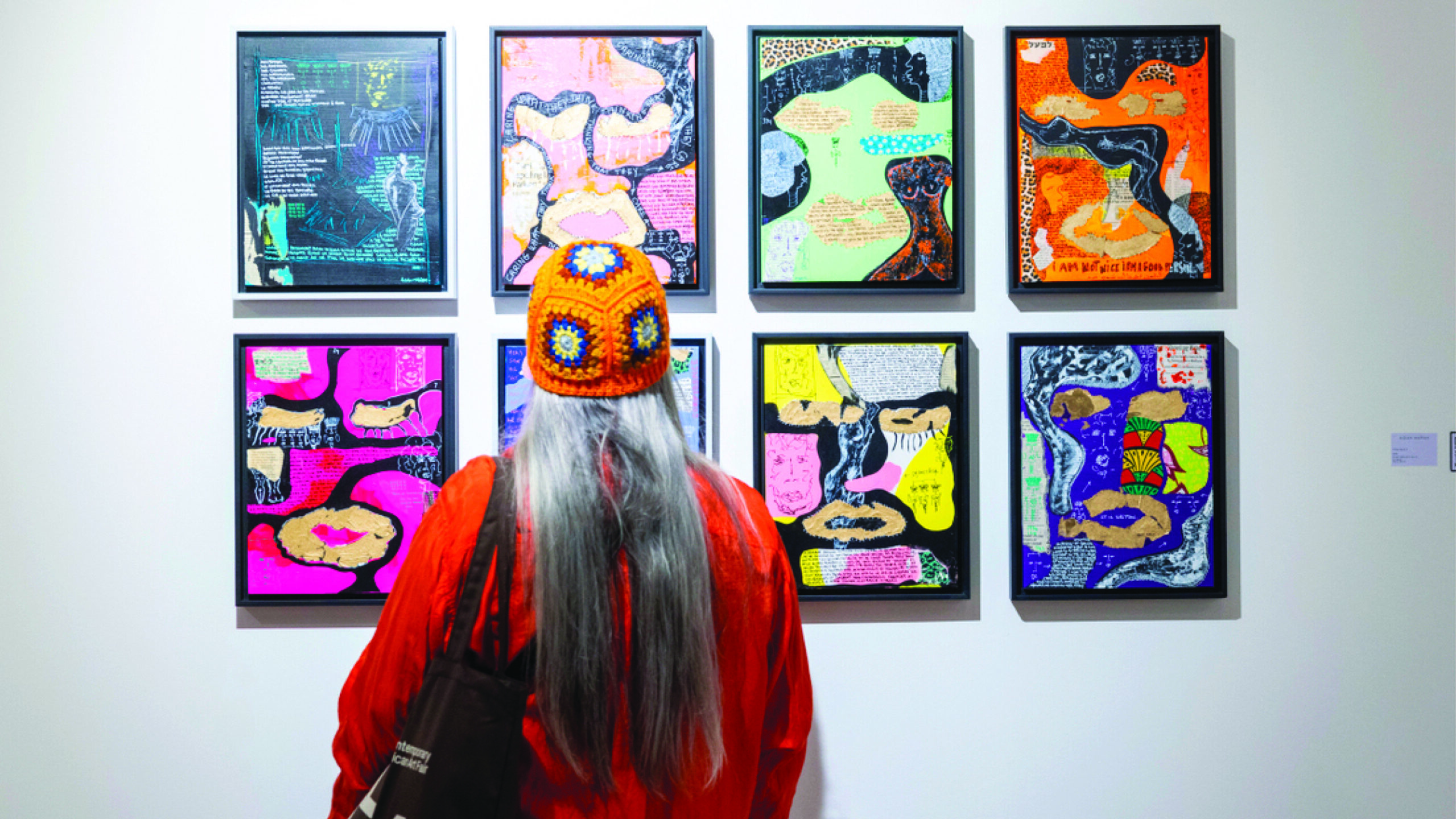
Something has shifted. On African and diasporic stages, creation is no longer trying to answer to an outside gaze, but to free itself from it.
Memory, history, social urgency, the decolonization of forms: these lines of force now structure practices that reject exoticism and the aesthetic shortcuts of global “ready-to-consume” culture.
Galleries and artists are asserting their own narratives, rooted in specific contexts, carried by singular trajectories. A clear affirmation. But still fragile.
Because this claimed autonomy runs up against a stubborn reality: the market. Museums, international fairs, and major private collections (mostly located in Europe and the United States) still set the terms of legitimation.
Their growing interest in African art marks a real step forward. It opens doors, inscribes works into official history, and gives artists visibility long denied. But such recognition is never neutral.
It brings a double risk: speculative overvaluation, and the more insidious risk of being shaped into what is expected. Art then becomes a prestige product, sometimes reduced to a decorative, consumable, reassuring otherness.
An “exotic box” repainted in the colors of the contemporary—one that satisfies curiosity without confronting the political, social, and historical tensions these works carry.
The assessment is blunt. On the world stage, African art is now unavoidable, but it still does not develop on wholly free ground.
As long as the circuits of power (institutions, collectors, distribution platforms) remain largely Western, cultural autonomy will remain partial.
What 1-54 has achieved, under the impetus of Touria El Glaoui, is to shift the center of gravity—not to deny it, still less to erase it, but to place it under tension.
And it is precisely in that friction—between visibility and independence, market and creation—that contemporary African art today asserts its strength, and above all its voice.