Kingdom
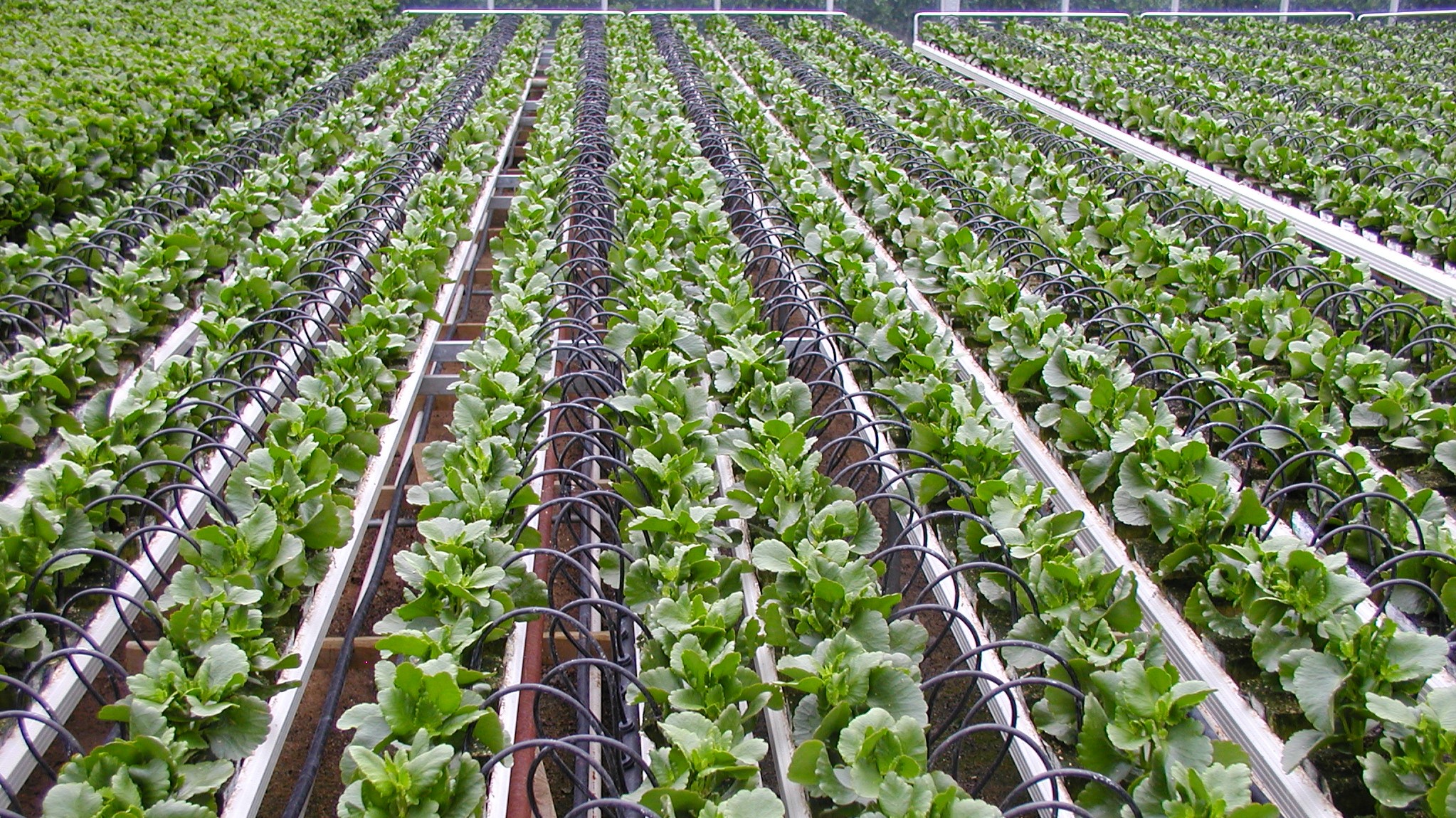
Agriculture: More than 366,000 hectares converted to localised irrigation
Morocco is accelerating the modernisation of its agricultural sector through a series of structuring programmes supported by the African Development Bank. Through substantial investments, the expansion of irrigation, the strengthening of value chains, and the promotion of rural entrepreneurship, this transformation aims to build a more “productive, resilient and inclusive” agriculture capable of meeting climate challenges and sustainable development goals.

Morocco is intensifying the transformation of its agricultural sector towards a more resilient, inclusive and sustainable model, with the support of the African Development Bank (AfDB) Group, which is backing several structuring programmes focused on modernising value chains, water management, climate resilience and rural entrepreneurship.
Through funding mobilised under the Green Morocco Plan (PMV), and later the “Generation Green” 2020–2030 strategy, the AfDB is supporting the development of more competitive agricultural value chains, the expansion of localised irrigation, the promotion of rural employment, and the emergence of an agriculture increasingly oriented towards innovation, sustainability and value creation.
Like that of many African countries, Morocco’s agricultural sector faces major structural challenges: increasing climate variability, growing pressure on water resources, and strong exposure to external shocks, particularly the volatility of international prices.
These constraints weigh heavily on productivity, farmers’ incomes and food security, making a transformation of production systems—towards greater resilience, efficiency and sustainability—essential.
“Building a sustainable and resilient precision agriculture: this is our ambition. From upgrading and scaling value chains to the emergence of a middle class, and through the preservation of resources, we are supporting the acceleration of this decisive transition within the framework of an excellent partnership with Morocco,” said Achraf Tarsim, Country Manager of the Bank’s office in Morocco.
Modernisation
Since 2008, Morocco has undertaken the modernisation of its agriculture through two successive strategic visions—the Green Morocco Plan, followed by the “Generation Green” 2020–2030 strategy—both fully supported by the AfDB Group.
The Green Morocco Plan, financed with approximately 500 million dollars by the Bank Group, marked the first phase of this transformation. It helped structure agricultural value chains, modernise farming systems and stimulate private investment, with nearly 950 million dollars in additional investments mobilised. In total, 366,000 hectares were converted to localised irrigation and nearly 3,300 direct jobs were created in a sector that accounts for more than 75% of rural employment.
Building on this, the “Generation Green” 2020–2030 strategy places stronger emphasis on human capital, the inclusion of youth and women, and the sustainability of agricultural systems, shifting from a production-based logic to one centred on value creation.
The transformation of the agricultural sector relies on scaling up and upgrading value chains, as well as their integration into global value chains. The development of agro-industrial hubs and value-addition platforms has helped better connect production, processing and markets.
In this context, the AfDB Group has notably financed, to the tune of 200 million euros, the Inclusive and Sustainable Agricultural Value Chain Development Programme. This programme aims to create rural jobs by developing inclusive value chains, while improving governance and sustainability. It also contributes to the objective of raising agricultural exports to 45 billion dirhams by 2030, mobilising over 4 billion dirhams in private investment, and generating tens of thousands of jobs for young people and women in rural areas.
Development
In response to repeated drought episodes and climate instability, the AfDB Group has supported the Competitive and Resilient Cereal Farming Development Programme, financed at 199 million euros.
This programme assists nearly 980,000 farmers by improving productivity, strengthening value chain governance and promoting the adoption of resource-efficient production systems. It also aims to reduce cereal imports by 20% by 2030, while contributing to increased agricultural incomes.
In a context of structural water stress, water management is a key priority.
The pan-African financial institution has supported the National Irrigation Water Saving Programme with more than 53 million euros, enabling the conversion of several hundred thousand hectares to localised irrigation. In the areas covered by the project, more than 45,000 hectares have been modernised using more efficient irrigation systems, generating average water savings of 10% to 15%.
The transformation of the agricultural sector also integrates human and social dimensions.
In this regard, the Bank Group has financed, with 100 million euros, the Inclusive Agricultural Entrepreneurship Programme for women and youth. This project supports the creation of rural economic activities, access to finance, and the emergence of a new generation of agricultural entrepreneurs.
At the same time, the Programme for the Development of Vulnerable Agricultural and Rural Areas, financed with 114 million euros, improves the living conditions of farmers operating across nearly 14,000 farms. It contributes to the emergence of a rural middle class, while strengthening the capacities of cooperatives and agricultural organisations.
Beyond agriculture strictly speaking, the pan-African development institution also supports the sustainable management of natural resources through the Forest Development Programme, financed at 84 million euros.
This programme aims to enhance climate resilience, notably by improving the water cycle, promoting forest resources, and developing forest and aquaculture value chains. It will benefit more than 6 million people in targeted rural areas and includes the promotion of forest and aquaculture entrepreneurship, land restoration, and the strengthening of institutional capacities in environmental governance.