International
Gold’s Resilience: Stability Amidst Geopolitical Turmoil and Inflation Fears
Gold prices have remained stable amid ongoing Middle Eastern conflict, influenced by inflation fears and a stronger dollar. Despite short-term volatility, banks remain optimistic, projecting significant price increases in the coming years.

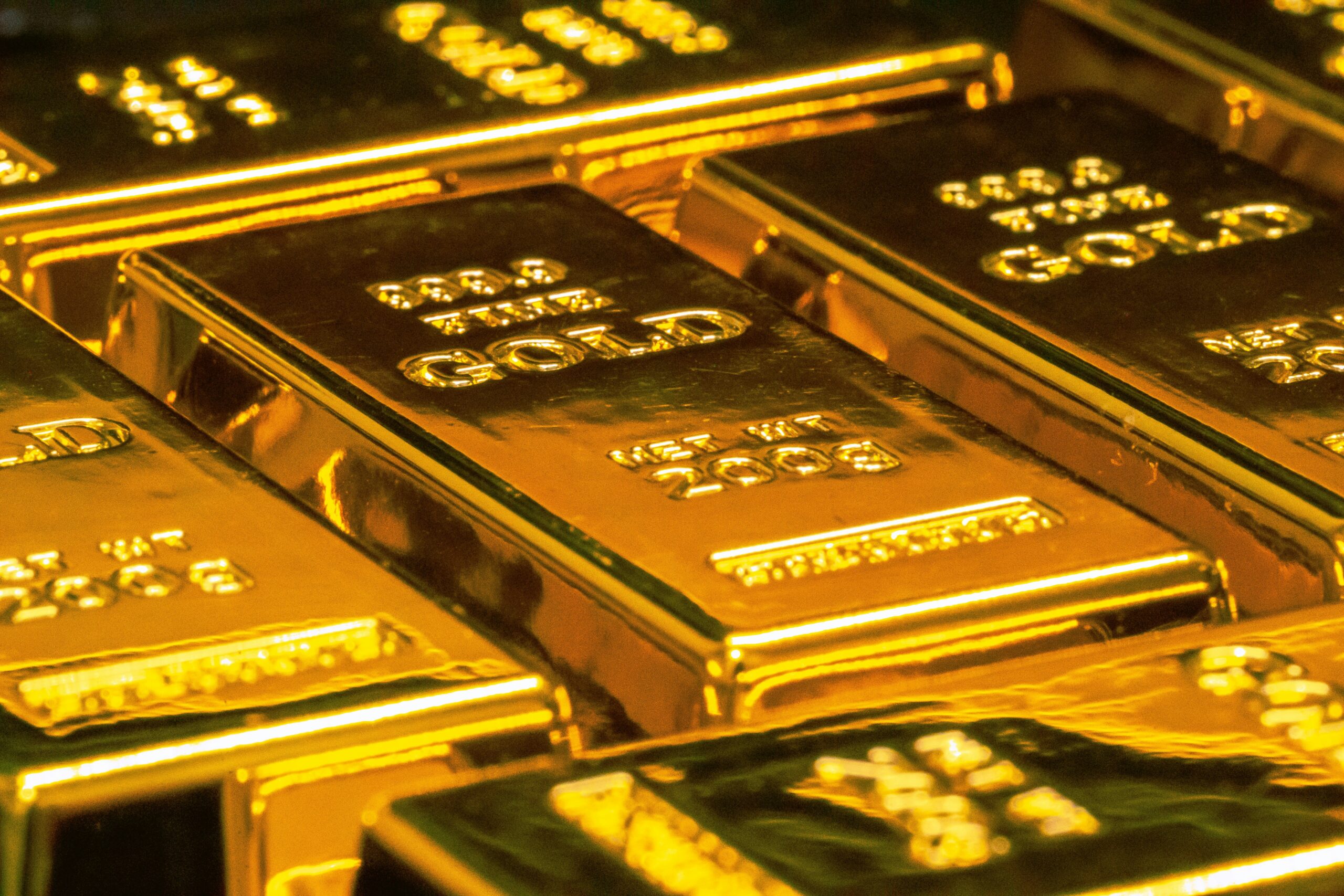
The price of gold has remained relatively stable despite the ongoing conflict in the Middle East, diverging from the expected trend of rising during geopolitical turmoil. While historical patterns suggest that such conflicts usually drive investors towards gold as a safe haven, current conditions—including fears of resurgent inflation, a stronger dollar, and higher Treasury yields—have subdued demand. After initially rising during early strikes against Iran, gold experienced a significant sell-off, dropping more than 6%. It has since fluctuated within a narrow range, with recent trading observed around $5,175 per troy ounce. Analysts attribute the lack of upward momentum to several factors, including volatility that has made institutional investors cautious and a tendency for panic selling during crises. Despite these short-term fluctuations, banks like J.P. Morgan and Deutsche Bank maintain long-term bullish forecasts for gold, predicting prices could reach as high as $6,300 per ounce by the end of 2026.
SOURCE: CNBC