Business
Wealth and Living Standards: The Decoupling of Households
Between 2019 and 2025, the financial wealth of Moroccan households increased by 43%, rising from 833 billion dirhams to 1.192 trillion dirhams. But over the same period, their perception of their standard of living deteriorated considerably and their ability to save declined. A comparison of HCP and Bank Al-Maghrib figures.

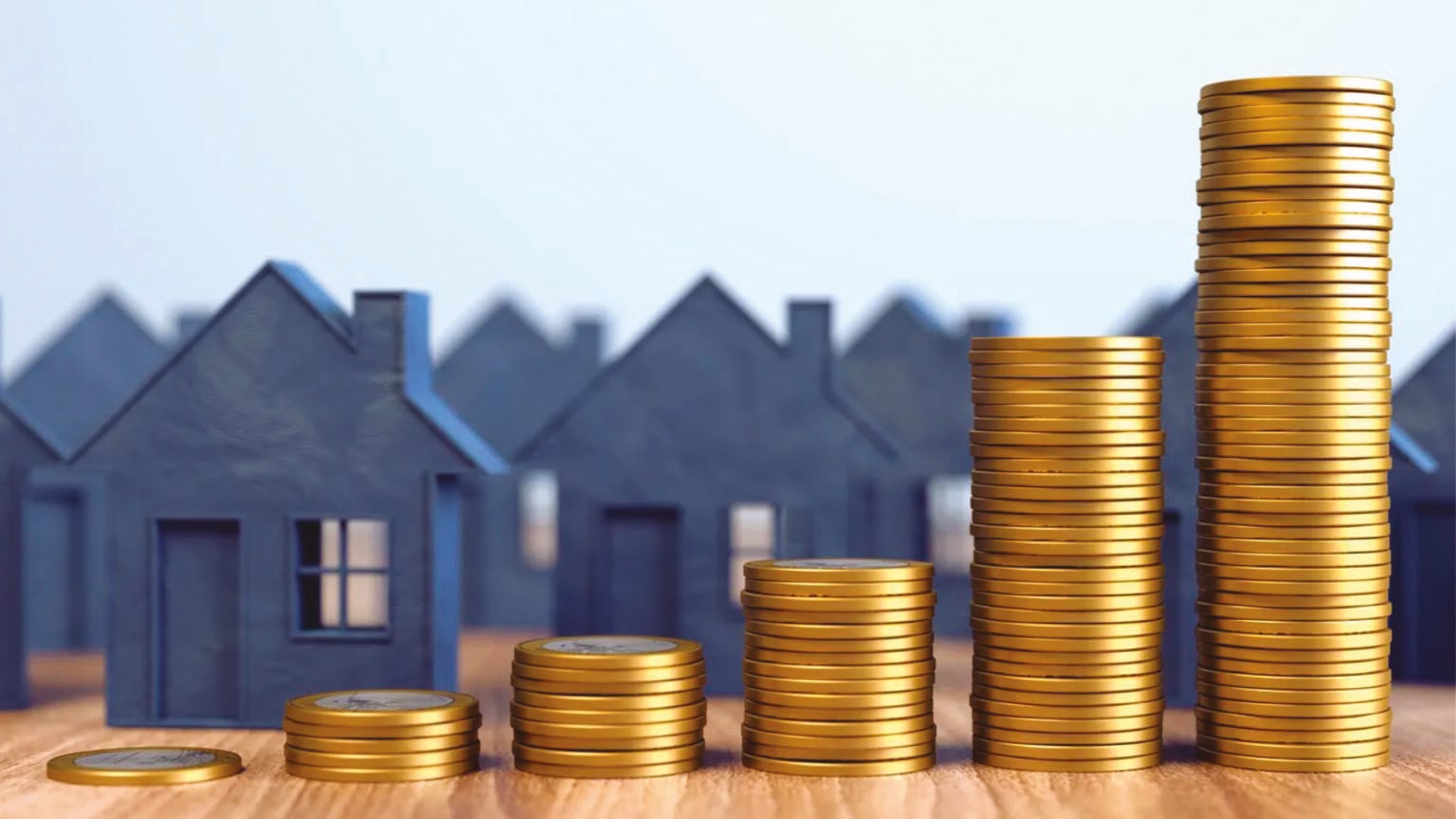
In 2019, household financial wealth stood at 833 billion dirhams. It increased almost continuously year after year, reaching 1.192 trillion dirhams at the end of 2025, or 359 billion dirhams more over six years.
At the same time, HCP surveys on household living standards point to a profound deterioration in their perception. In the fourth quarter of 2019, the opinion balance regarding the past evolution of the standard of living stood at -20 points. It fell to -46.6 points in 2020, to -55.2 in 2021, then to -78 in 2022. It reached its lowest point at -83.2 in 2023, before recovering slightly to -76.2 in 2024 and -72.5 in 2025.
While financial wealth increased by 43% since 2019, the balance relating to the standard of living lost 52.5 points. At the same time, future saving capacity deteriorated significantly, with the balance falling from -64.5 to -78.5 points, recording a 14-point decline.
The first break came with the health crisis. Between 2019 and 2020, financial wealth increased by 43 billion dirhams, to 876 billion. Yet the opinion balance on the standard of living fell by 26.6 points in one year, to -46.6 points.
This is because the crisis had a highly differentiated impact. Households whose incomes were maintained were able to accumulate more liquidity, as a result of lower spending on certain items, travel restrictions, and the building up of precautionary savings.
Conversely, a significant portion of the population experienced income losses or a decline in activity. The year 2021 did not mark a genuine recovery. Wealth increased by a further nearly 44 billion dirhams, reaching 919.5 billion, but the balance relating to the standard of living fell to -55.2 points, while the balance concerning future saving capacity dropped to -69.5 points.
Moreover, 44.3% of households had already declared that they were going into debt or drawing on their savings to cover their expenses in the last quarter of 2021. In contrast, only 3.9% said they were saving part of their income.
2022-2023: Morale Hits Rock Bottom
The divergence intensified sharply with the inflationary surge that had set in since 2022. Financial wealth had thus increased by 6.4%, to 978 billion dirhams. But the balance concerning the standard of living collapsed to -78 points, compared with -55.2 points a year earlier. The balance relating to future saving capacity fell to -77.7 points.
The phenomenon reached its peak in 2023, with wealth exceeding the threshold of 1 trillion dirhams for the first time, at 1.025 trillion dirhams. Yet the household confidence index fell to 44.3 points, its lowest level since the survey was launched in 2008.
That year, 87% of households reported a deterioration in their standard of living over the previous twelve months, compared with only 3.8% who had observed an improvement. The balance thus stood at -83.2 points.
The contrast is even more striking when it comes to savings. In the fourth quarter of 2023, only 1.8% of households said they were setting aside part of their income, while 42.1% were going into debt or drawing on their reserves. More than half (56.1%) were just managing to balance their income and expenses. For the following twelve months, 90.4% did not think they would be able to save, compared with only 9.6% who expected to do so.
Ultimately, while wealth increased by 47 billion dirhams in 2023, the proportion of households actually reporting that they were saving fell below the 2% threshold.
2024-2025: Slight Recovery
A recovery appeared in 2024 and 2025, but it remains qualified. Financial wealth recorded strong growth, rising from 1.109 trillion dirhams in 2024 to 1.192 trillion the following year. Over two years, households thus accumulated, in aggregate, nearly 167 billion dirhams in additional financial assets. Perceptions improved in parallel, but remained highly deteriorated.
The balance relating to the standard of living rose from -83.2 points in 2023 to -76.2 points in 2024, then to -72.5 points in 2025. This 10.7-point increase should not obscure households’ perceptions. 77.8% of them still reported a deterioration in their standard of living over the previous twelve months, compared with only 5.3% who observed an improvement.
The current financial situation also remains very tight. At the end of 2025, 58.4% of households indicated that their income covered their expenses. 39.2% had to go into debt or draw on their savings, and only 2.4% were able to save part of their income.
There is therefore nothing very different from the previous period, even with the increases in public-sector salaries in July 2024 and 2025. It should also be noted that the improvement in wealth has hardly changed saving expectations.
89.2% of households estimated that they would not be able to save over the following twelve months, compared with 10.7% who thought they would be able to do so. The corresponding balance stood at -78.5 points, a more deteriorated level than in 2019, when it stood at -64.5 points.