International
BCG Report: Navigating Africa’s Trade Potential Amidst Geopolitical Shifts
A new BCG report highlights that while African economies face short-term volatility from tariffs and debt, the continent remains structurally positioned for long-term growth. Success depends on leveraging the AfCFTA’s $3.4 trillion market and building resilience against global geopolitical changes.

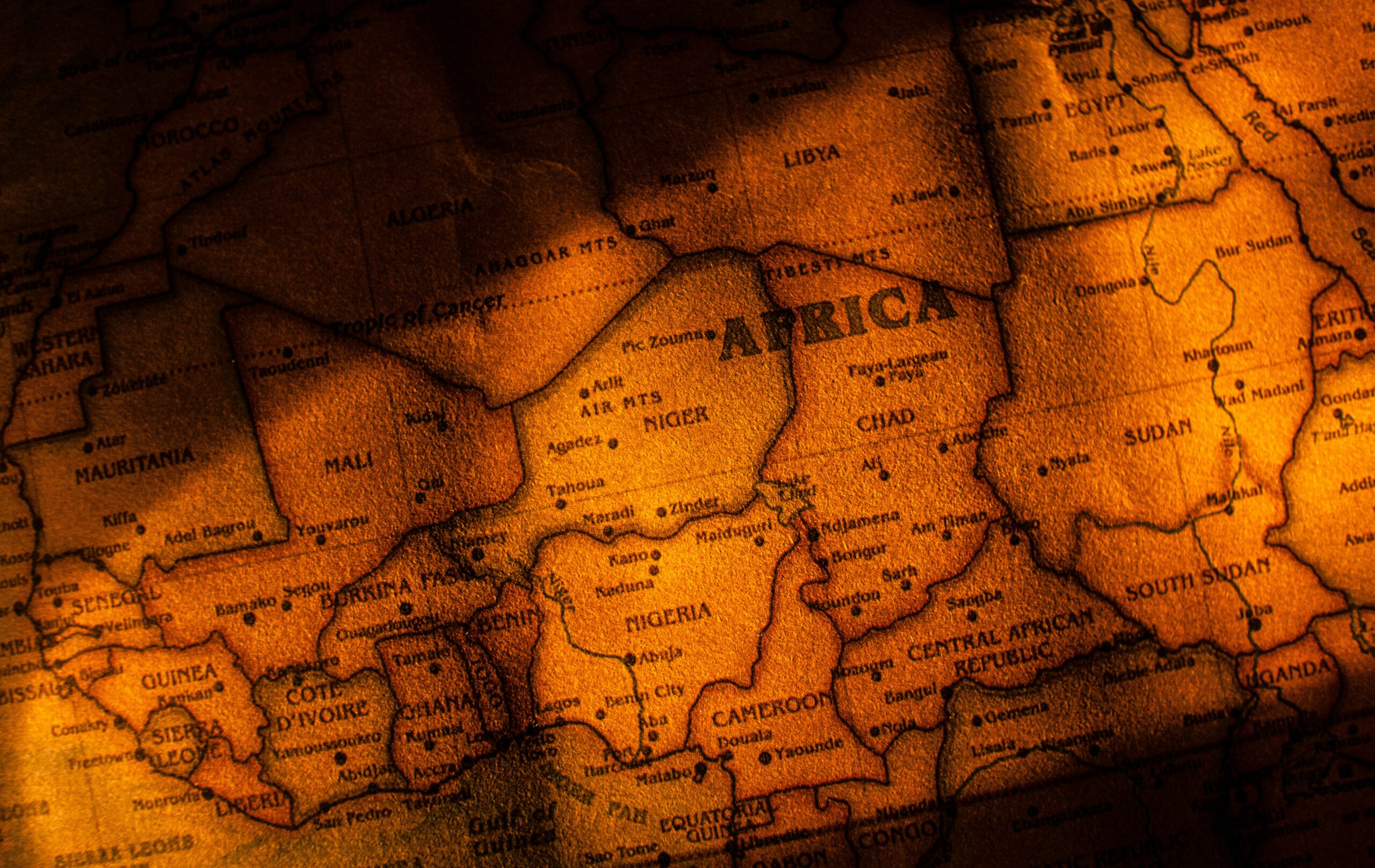
Africa’s trade and investment landscape is undergoing a significant transformation driven by shifting geopolitical forces and new economic realities. Despite facing immediate challenges such as rising tariffs, increasing sovereign debt, and potential reductions in foreign aid, the continent’s long-term economic fundamentals remain robust. A recent analysis projects that Africa’s total trade will grow by 3.5% annually through 2033, outpacing the European Union, with the most substantial expansion occurring in trade corridors with Asia. Specifically, trade with China is forecast to grow by $173 billion, solidifying its position as the continent’s largest partner, while significant growth is also expected with India, ASEAN nations, and the United States.
To capitalize on these shifts, African nations must strategically leverage their structural advantages, including a young population, vast mineral wealth, and renewable energy potential. However, realizing this potential requires overcoming persistent hurdles such as low local processing rates for resources and high trade costs caused by fragmented infrastructure. The success of the African Continental Free Trade Area (AfCFTA) is identified as a critical factor; if fully implemented, it offers a $3.4 trillion single market capable of boosting intra-African exports by 32%. While progress has been gradual, the AfCFTA represents the continent’s most ambitious platform for shaping a collective economic future and requires the same long-term commitment seen in the development of the European single market.
Navigating this complex environment demands that business leaders and policymakers adopt a proactive, data-driven approach rather than reacting to short-term volatility. Stakeholders are urged to build geopolitical resilience by monitoring regulatory changes and capital flows, while investing in sectors aligned with future demand, such as green industrialization and food security. Furthermore, integrating sustainability into business models is becoming essential for maintaining access to high-value export markets like the EU. Ultimately, unlocking Africa’s growth amidst global uncertainty depends on coordinated action between the private and public sectors to champion the removal of trade barriers and invest early in local competitiveness.
By Patrick Dupoux, Lisa Ivers, Marc Gilbert, Badr Choufari, Aly-Khan Jamal, Tim Figures, Trudi Makhaya, Damien Erasmus, Ayowande Adebajo, and Georgia Mavropoulos
SOURCE: BCG