Business
Dollar: Driven by the Surge in Oil Prices, the Greenback Reaches New Highs
The U.S. dollar continued its rise on Friday, driven by the situation in the Middle East and the surge in oil prices, which allowed it to reach a level not seen since August 2025.

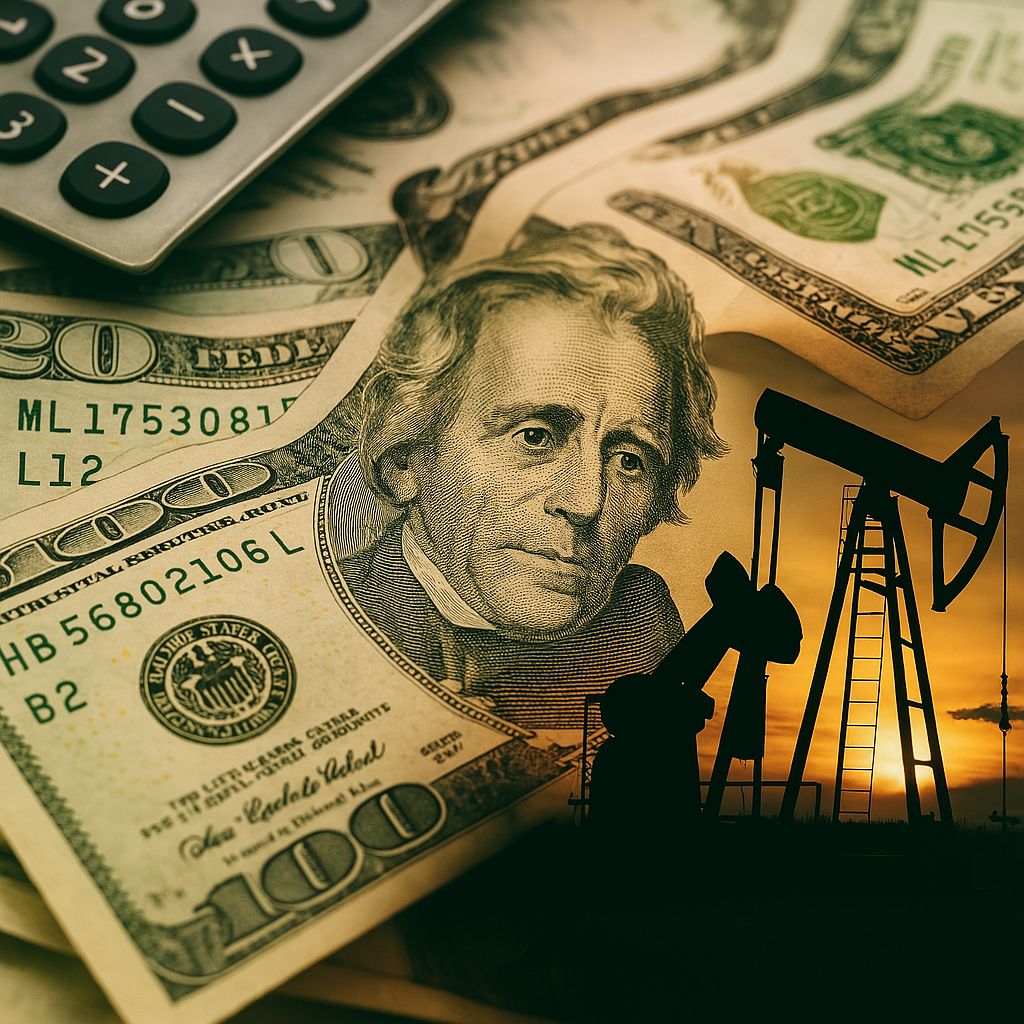
The greenback is fully benefiting from its status as a safe‑haven asset: around 18:20 GMT, it had gained 0.69% against the euro, reaching $1.1433.
At the opening of U.S. markets, investors were nevertheless confronted with a series of indicators showing that the world’s leading economy had been losing momentum even before the war.
“Under normal conditions, this would have led to a marked decline in the greenback, as traders would anticipate a more accommodative policy from the Federal Reserve,” notes Kevin Ford, an analyst at the financial institution Convera.
“However, the current strength of the currency is being driven more by geopolitical tensions than by the health of the U.S. economy,” the expert adds.
The dollar is also particularly in demand because it is the currency used to trade crude oil, whose prices have surged since the beginning of the conflict.
Around 18:20 GMT, it was strengthening by 0.79% against the British pound, reaching $1.3237.
The British currency, which had initially held up relatively well amid risk aversion, ultimately weakened following the release on Friday of data showing that gross domestic product (GDP) stagnated in January, according to analysts at Saxo Markets.
Meanwhile, the yen slipped even further to 159.67 yen per dollar (−0.20%), its lowest level since the summer of 2024.
The recent surge in oil prices has pushed the Japanese currency—particularly sensitive to energy prices—back to levels at which authorities had already intervened in the past to support it.