Business
African Development Bank: Mauritanian Sidi Ould Tah Named New President
Mauritanian Sidi Ould Tah, Elected African Development Bank President, to Assume Office on September 1, 2025 with Agenda Prioritizing Financial Independence and Sustainable Development in Africa.

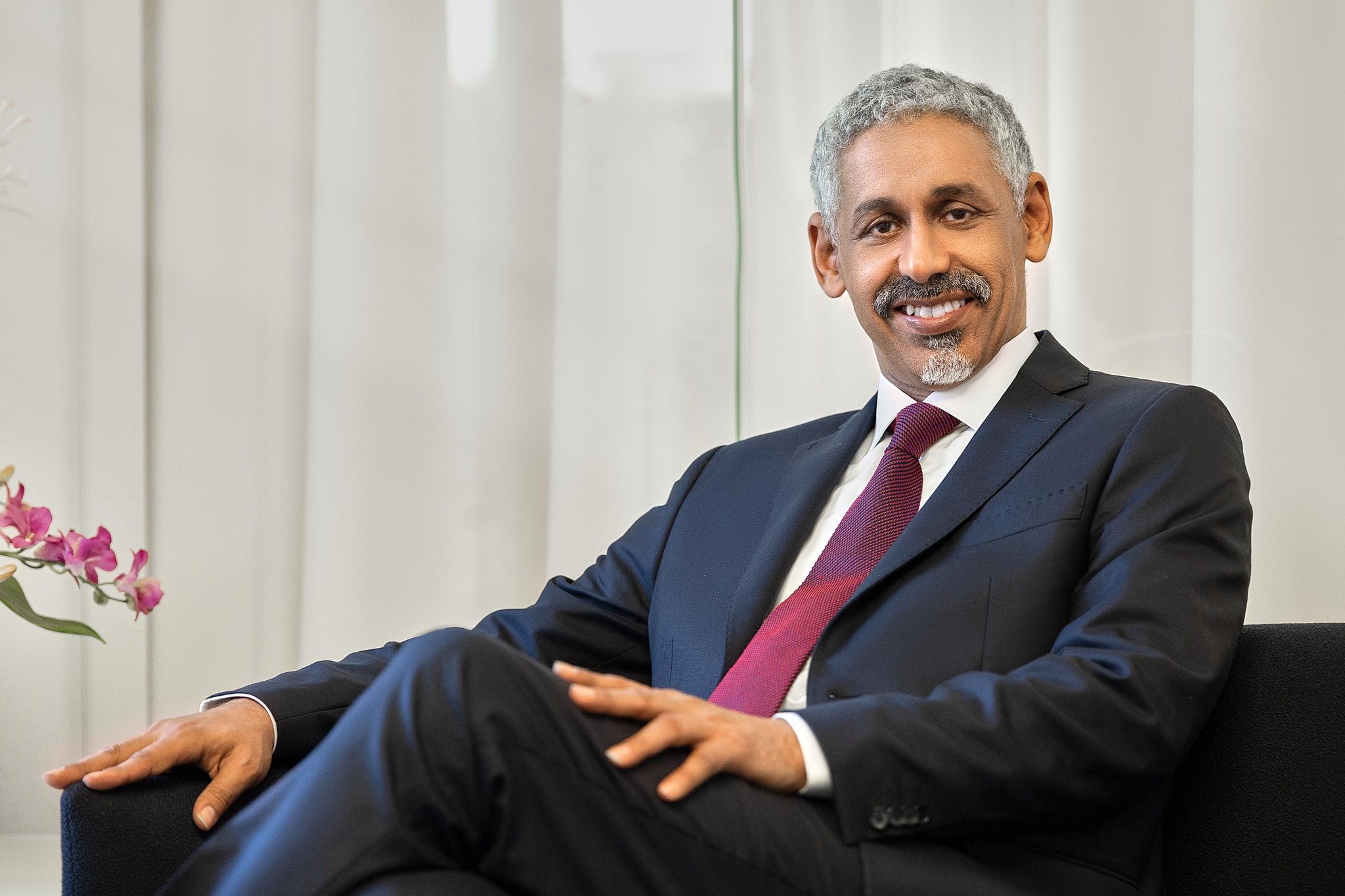
On Thursday in Abidjan, Mauritanian economist Sidi Ould Tah, 60, was elected president of the African Development Bank (AfDB), marking the first time a Mauritanian has held this prestigious position.
Succeeding Nigeria’s Akinwumi Adesina starting September 1, 2025, Tah secured victory in three rounds with a decisive 76.18% of the vote. Among African voters, he garnered 72.37%, ensuring continental legitimacy. Winning required a dual majority: support from the AfDB’s 81 member states (including 54 African nations) and a majority of African countries. The election took place during the AfDB’s Annual Meetings in Abidjan, the institution’s headquarters.
“I am ready to work while fully recognizing the responsibility and duty that comes with this mission,” Tah declared after his election, emphasizing African solidarity. Zambian candidate Samuel Munzele Maimbo praised the outcome: “Today, the governors have chosen the leader they believe will shape the vision for the Africa we want at this pivotal moment.”
Tah, the last candidate to enter the race, led a swift campaign leveraging his decade-long tenure as head of the Arab Bank for Economic Development in Africa (BADEA) since 2015. He claims to have transformed BADEA from an entity “unknown to rating agencies” to one of Africa’s highest-rated institutions. “I have demonstrated transformative leadership that elevated the bank to a leading role in Africa’s development landscape,” he stated in his candidacy declaration.
A polyglot fluent in French, English, Arabic, and Wolof, Tah—a former Mauritanian Minister of Economy (2008–2015) with a master’s degree from the University of Nouakchott and a PhD from the University of Nice—garnered broad diplomatic support, ranging from Sahelian nations like Mali to France.
Agenda
His agenda focuses on four priorities: strengthening regional financial institutions, securing Africa’s financial independence in global markets, harnessing demographic growth as a development lever, and building climate-resilient infrastructure.
“The AfDB must abandon traditional bureaucratic models for a more agile, results-driven approach,” he asserted, advocating for a break from past practices in a world where “Africa’s challenges and opportunities have taken on new dimensions.”
On environmental issues, he aims to leverage the continent’s natural resources for a “viable energy transition that balances economic and environmental imperatives.” “Though Africa contributes minimally to global CO₂ emissions, it bears the brunt of climate change. Integrating sustainable practices and renewable energy into development projects is essential,” he explained.
Tah assumes leadership amid a complex global economic environment, including the anticipated withdrawal of the United States, which plans to suspend its $500 million contribution to the AfDB’s fund for low-income countries. To offset this, he intends to attract alternative financiers, such as Gulf nations, with whom he built ties during his BADEA tenure.
Tah is expected to continue the “High 5” priorities set by his predecessor: Light Up and Power Africa, Feed Africa, Industrialize Africa, Integrate Africa, and Improve the Quality of Life for Africans.
Under Adesina’s presidency, the AfDB’s subscribed capital tripled from $93 billion to $318 billion, and 565 million people benefited from projects including Africa’s largest wastewater treatment plant in Egypt, a Senegal-Gambia bridge, Lomé Port expansion in Togo, sanitation initiatives in Lesotho, and Kenya’s electricity access programs.
“I am proud of the legacy I leave behind. We built a world-class financial institution that will continue advancing Africa’s position in a rapidly evolving global landscape,” Adesina stated.