Business
Monetics: Reshuffling the Cards of the Ecosystem
The electronic payments market has entered a new era, mandated by the Competition Council. A new configuration that redefines the role of the Interbank Monetics Center and is expected to unlock a high-potential market.

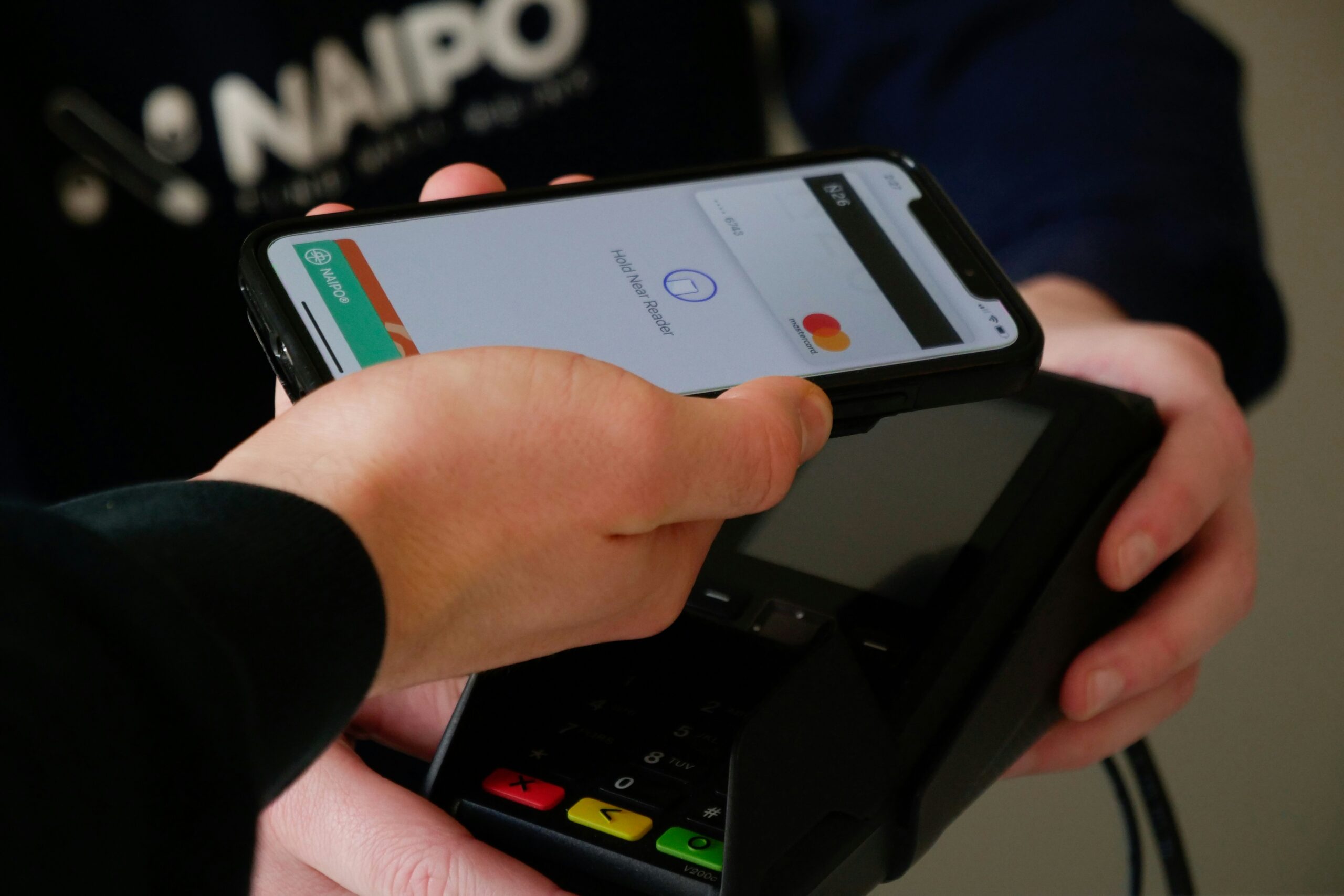
The Moroccan monetics landscape is undergoing a major shake-up. A profound transformation of its architecture is underway: the historic sector operator, the Interbank Monetics Center (CMI), is withdrawing from the card payment acquisition activity after more than 20 years of dominant position.
Since May 1, 2025, the specialized subsidiaries of the CMI’s shareholder banks are indeed authorized to contract directly with merchants to provide them with payment solutions and equip them with POS terminals.
The CMI is therefore abandoning this acquisition activity, in the commercial sense (i.e., the direct relationship with merchants), in favor of these new players—payment institutions or specialized subsidiaries of banks.
At the same time, the CMI is transforming, in the words of its CEO Rachid Saihi, into “a technical, neutral, multi-acquirer transaction processing platform, open to all players in a fair and non-discriminatory manner.” A paradigm shift described as “historic” by operators, likely to unlock a high-potential market and elevate it to new levels of growth.
This major change takes place, it should be recalled, within the framework of implementing the commitments made by the CMI and its 9 shareholder banks to the Competition Council, following a referral from the operator NAPS.
The latter, which entered the acquisition activity and electronic payment terminal sales in 2017, had complained in 2023 to the institution chaired by Ahmed Rahhou about anticompetitive practices in this field.
Following the investigation, the CMI and its shareholder banks submitted a proposal of commitments to the Council in September 2024, aimed at improving the competitive functioning of this market.
Validated by the regulator, the commitment notably provides for the dismantling of the near-monopoly in the card acquisition market, overwhelmingly dominated by the CMI, which holds a market share of over 97%. This has now been accomplished, with the arrival of new players in the acquisitions market as of last May 1.
Increasing from 110 to 700 billion dirhams in annual transactions
At the same time, another important decision was made, this time by the central bank: capping domestic monetics interchange fees at 0.65% of the amount of bank card transactions in Morocco, effective October 2024.
Previously, interchange—which represents a portion of the transaction fees paid by the merchant and collected by the card-issuing bank—was “set” around a rate of 1.2%, in a kind of local agreement between banks, without any decrease in recent years.
This situation negatively impacted the margins of acquirers and hindered, among other things, the development of this market, as well as electronic payments in general, which account for only 1% of all payments in Morocco.
Capping interchange fees should, in principle, allow acquirers to implement “significant” reductions in their merchant client pricing, which will, in principle, promote the development of electronic card payments. According to the CMI, this cap has already allowed nearly 2 million merchants to benefit from lower fees.
Now, each payment institution sets its own commissions, taking its costs into account. “The bet we are making is to increase transaction volumes, thereby supporting price reductions without compromising the long-term viability of operators. The ambition is to increase transactions from 110 billion dirhams in 2025 to 500, or even 700 billion dirhams by 2030.”
2,000 merchants recruited by the new acquirers
In this new configuration, the first 7 partners of the CMI—Al Filahi Cash, Attijari Payment, Damane Cash, Lana Cash, M2T, Saham Paiements, and CDM Pay—have launched their acquisition services, while four other acquirers are currently in the approval process.
According to data provided by the CMI, 2,000 merchants have been recruited to date by these new players, with a steady increase in volumes over the weeks.
The CMI, for its part, is undergoing its strategic transformation and will continue to play a central role. Now a multi-acquirer platform, it is focusing its efforts on expanding innovative services available to acquirers and their merchants, as well as providing enhanced support to its merchants to encourage their adoption and improve their experience.
Significant investments will also be made to consolidate a more resilient and robust infrastructure, interoperable and aligned with international standards.
The Competition Council has set November 1, 2025, as the deadline for the final switch to the multi-acquirer architecture. The teams at the CMI and its partners are mobilized to meet this target.
One of the main concerns is that the transition must occur without disruption to the payments ecosystem. “Our goal is for this transformation to happen in an odorless and colorless manner,” Saihi emphasized.
As the deadline approaches, the CMI brought together over 150 representatives of the payments ecosystem (regulators, banks, payment institutions, international schemes, technology partners, etc.) in Casablanca to formalize this transformation of the Moroccan monetics ecosystem.
The key themes of this meeting, evocatively titled “Casablanca Paiement Agreement,” are: stimulate competition, strengthen trust, and accelerate the widespread adoption of electronic payments.
Client portfolio transfer: The process still ongoing
Among the commitments made by the CMI and the banks is the transfer of all merchant affiliation contracts for electronic payment terminals (TPE) and online payments (PEL) to payment institutions or any other dedicated acquisition subsidiaries of the banks.
The Competition Council has set a 12-month deadline, i.e., before November 1, 2025, for the completion of this transfer of the CMI’s client portfolio. This involves a stock of nearly 55,000 contracts. When questioned on this point, Saihi indicated that the process is proceeding as planned. “The CMI, its shareholders, its investment banks, and lawyers are fully mobilized to complete this process as soon as possible,” he said.
Regarding the fate of the CMI’s field teams, distributed across 15 regional agencies, the executive noted that these representations will continue to provide local support in their respective cities, with a focus on merchant assistance and technical support. Neither layoffs nor staff redeployment are currently planned.