Kingdom
Salam Cinema Reimagined in Agadir
Restoration work on this iconic landmark is about to begin. A budget of over 22 million dirhams is allocated to the project. Once completed, the building will become a versatile cultural hub. A heritage asset serving a vibrant city center.

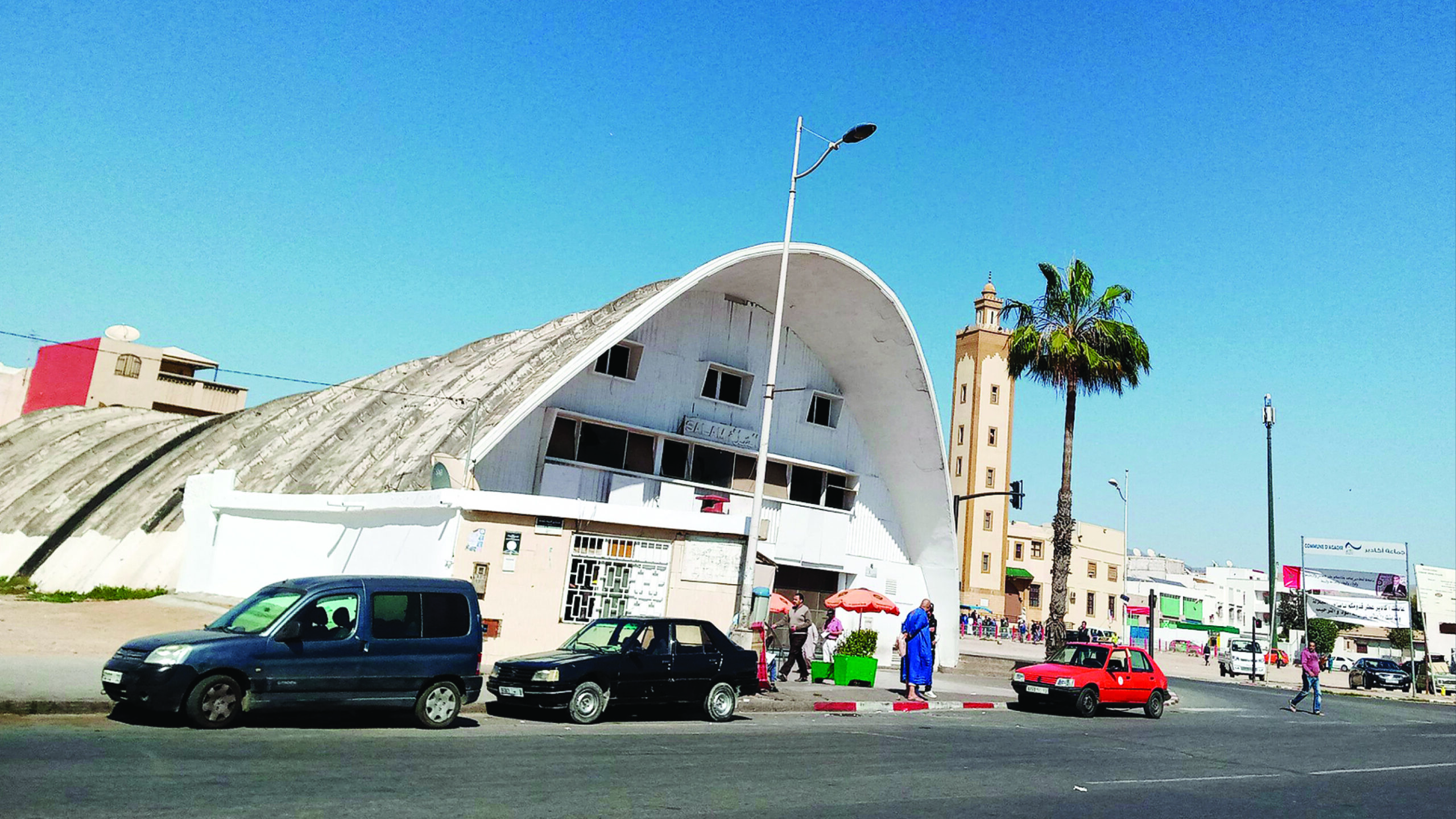
An icon of the Agadir landscape, a survivor of the 1960 earthquake and a witness to half a century of urban social life, the Salam Cinema is changing its status: from a threatened building, it is on its way to becoming a structuring cultural hub.
To restore this iconic city monument, a budget of over 22 million dirhams will be invested, specify the managers of the local development company “Grand Agadir for Mobility and Urban Transport” (Gamdu), the delegated project owner.
It will be completed within a five-month timeframe, they indicate. The construction site perimeter has already been set up, and initial work is expected to begin shortly. The program goes far beyond a simple facelift.
The Salam is set to become a multipurpose cultural center. Ultimately, the building will house a 317-seat screening room, new creative spaces, dressing rooms, workshops, an archive room, administrative offices, and a control room.
The construction of a nearly 85 m² literary café and outdoor landscaping is also planned. Thus, Agadir is turning a symbol of the city’s resilience into an engine of economic revitalization.
The history of this monument began over 70 years ago. Built between 1953 and 1955 by architect Georges Appéré with Moroccan entrepreneurs Haj Mohamed Moustic, Haj Boubker Al-Fkih Tétouani, and Saïd Bourhim, it was first named Cinema Empire before being acquired by the late Yahia Ben Idder. The Salam has left a mark on the collective imagination of Agadir. Its “horse saddle” silhouette and tubular structure allowed it to withstand the earthquake on February 29, 1960, while around 400 spectators were watching Godzilla. Miraculously spared, the venue became a space of “social therapy” for a devastated city after the catastrophe.
Long a beating heart of the 7th art—from American Technicolor films to Indian classics—the theater declined due to neglect and real estate pressure.
Its preservation owes much to the mobilization of associations, historians, and cultural collectives, foremost among them the Forum Izorane n’Agadir. Following a submission in 2015, the Ministry of Culture listed the building in the architectural heritage inventory (Law 22-80), recognizing its value as a witness to pre-earthquake Agadir.
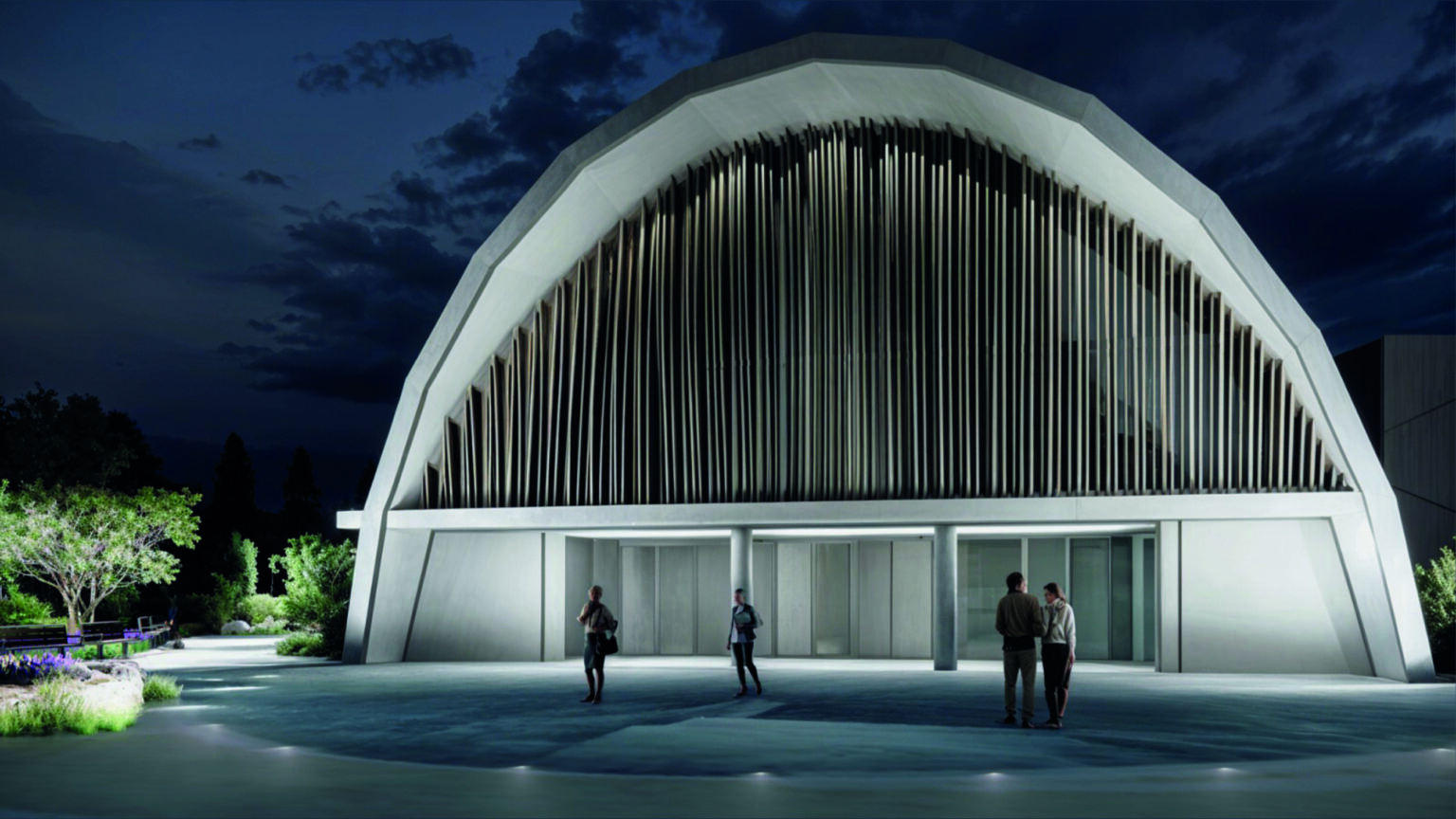
A new life, a new audience
The turning point happened recently: businessman Abdelaziz Aboulmajd, the last owner of the Salam Cinema, donated the building to the Agadir Municipality, removing the threat of demolition.
Now, the focus is on the construction site, which must be completed on a tight schedule. Once restored, the Salam Cinema, in its new life, is expected to attract audiences both day and evening and provide a meeting place for students, families, and cultural industry professionals.
The stakes are twofold: memory and economy. Memory, because the heritage site is being restored without losing its soul; economy, because a venue in the city center generates pedestrian traffic, extends visitor stays, supports retail and dining, and creates skilled jobs (technicians, programming, mediation).
For the Agadir Municipality, the goal is to establish a lasting “showcase effect”: demonstrating that Agadir can balance heritage and modernity, culture and attractiveness.
It should be recalled that this project is part of the Urban Development Program launched in February 2020 by His Majesty King Mohammed VI.
A few streets away from the Salam Cinema, the downtown municipal market, another iconic building, is nearing completion. Al Amal Square is also undergoing a transformation with beautification and user comfort improvements.
On the mobility front, SDL Agadir Mobilité is redesigning the taxi area near Souk Al Had to create a modern, clear, and better-connected hub. The idea is clear: to form a central cluster where culture, commerce, and transport mutually reinforce each other.
More than heritage, an economic lever…
Governance follows the same alignment logic. The Salam was saved by civil society, secured through heritage designation, and then activated by public investment in service of an economic model.
This triptych (recognition, protection, activation) constitutes a method the city is replicating with other strategic assets: returning beloved places to use while giving them a sustainable function and operational model.
The challenge now is to deliver on time and to standard. Technical requirements (acoustics, fire safety, accessibility for persons with reduced mobility) will be critical, as will a demanding programming schedule: auteur and mainstream cinema, theater, contemporary music, conferences, and educational outreach.
Because a cultural facility does not thrive on architecture alone: it prospers through content and through the partnerships it forms with schools, associations, festivals, and private operators.
The Salam Cinema is poised to play its role again: a symbol of memory and a promise of the future. By restoring this totem of the modern city born from reconstruction, Agadir is not merely repairing walls—it is investing in a shared, unifying, and exportable narrative.
And proving that saved heritage can become an economic lever benefiting residents, visitors, and the heart of the city.