International
Paris Agreement: Steering Towards a Safer Climate Future
The Paris Agreement is an international treaty aimed at limiting global warming to 1.5°C above pre-industrial levels, which is crucial for preventing severe climate impacts. While significant progress has been made, challenges remain in achieving emission reduction targets and securing financial support for developing nations.

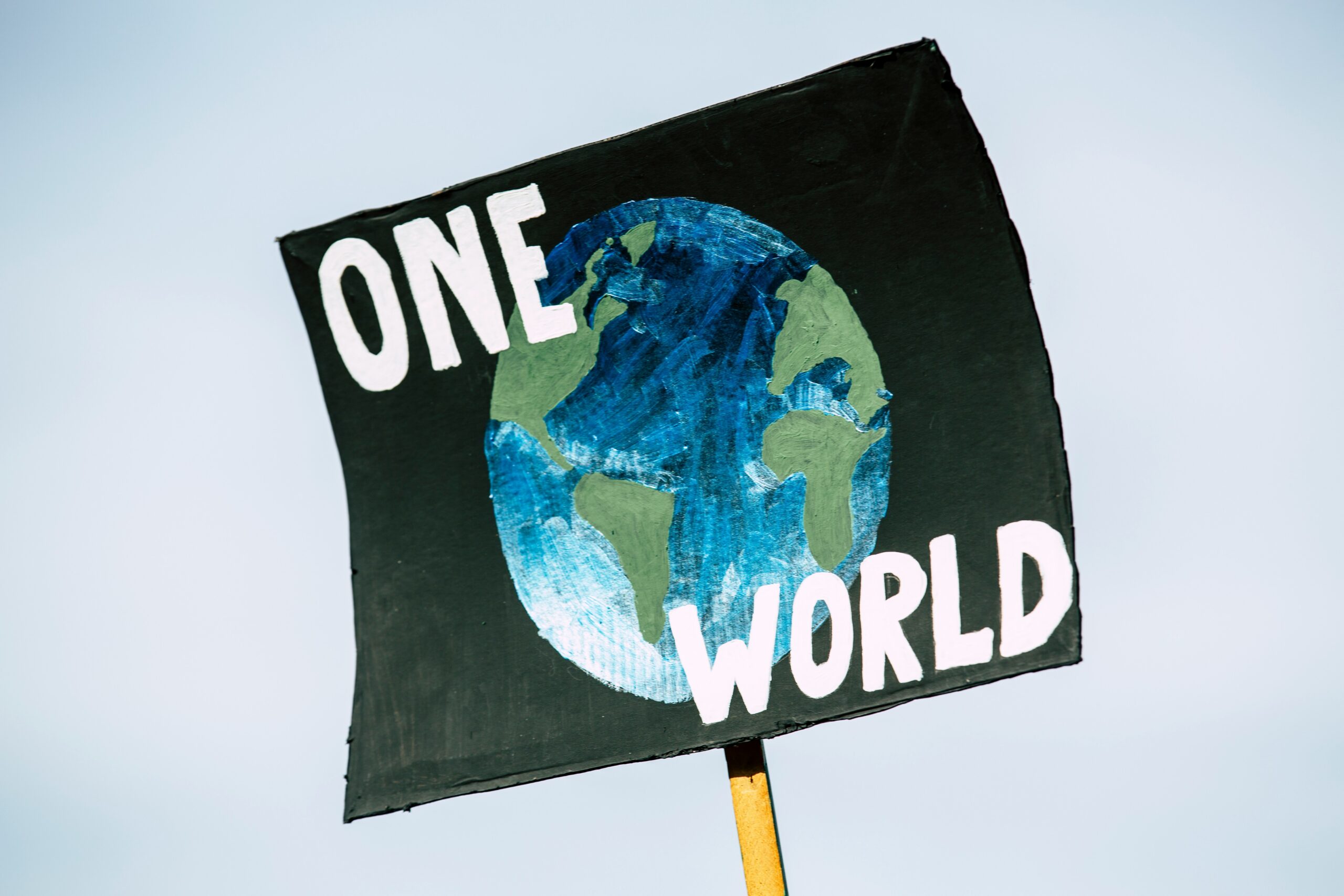
The Paris Agreement, established in 2015, is a pivotal international treaty aimed at addressing climate change by limiting global temperature rises to well below 2°C, with a target of 1.5°C above pre-industrial levels. This agreement came into force on November 4, 2016, seeing almost all nations commit to reducing greenhouse gas emissions. Despite the U.S. withdrawing under President Trump, it rejoined in 2021 under President Biden, highlighting the significance of participation in this global effort.
The agreement outlines key commitments, including individual emission-reduction targets for countries, a balance between emitted and removed greenhouse gases by the second half of the century, and financial support from wealthier nations to aid developing countries in adapting to climate change. The 1.5°C threshold is crucial as even a slight increase poses significant risks, such as extreme weather conditions, rising sea levels, and threats to biodiversity. Crossing certain “tipping points” could lead to irreversible changes in climate systems, further exacerbating the crisis.
In terms of financial commitments, the Paris Agreement reiterated the goal for richer countries to provide $100 billion annually to developing nations, a target that was ultimately met by 2022. More recently, nations have agreed to establish a fund for loss and damage, addressing the impacts of climate change on vulnerable populations.
Ongoing international climate summits, known as COPs, track progress in meeting commitments made in the Paris Agreement. Although the global warming target of 1.5°C has not yet been surpassed, projections indicate that it could be reached by 2030 without significant intervention. The UN Secretary-General has emphasized the need for sharp reductions in emissions to avoid severe future impacts, reiterating the importance of collective global action to achieve climate goals by the end of the century.
SOURCE: BBC