Business
Where Do Public Subsidies Go?
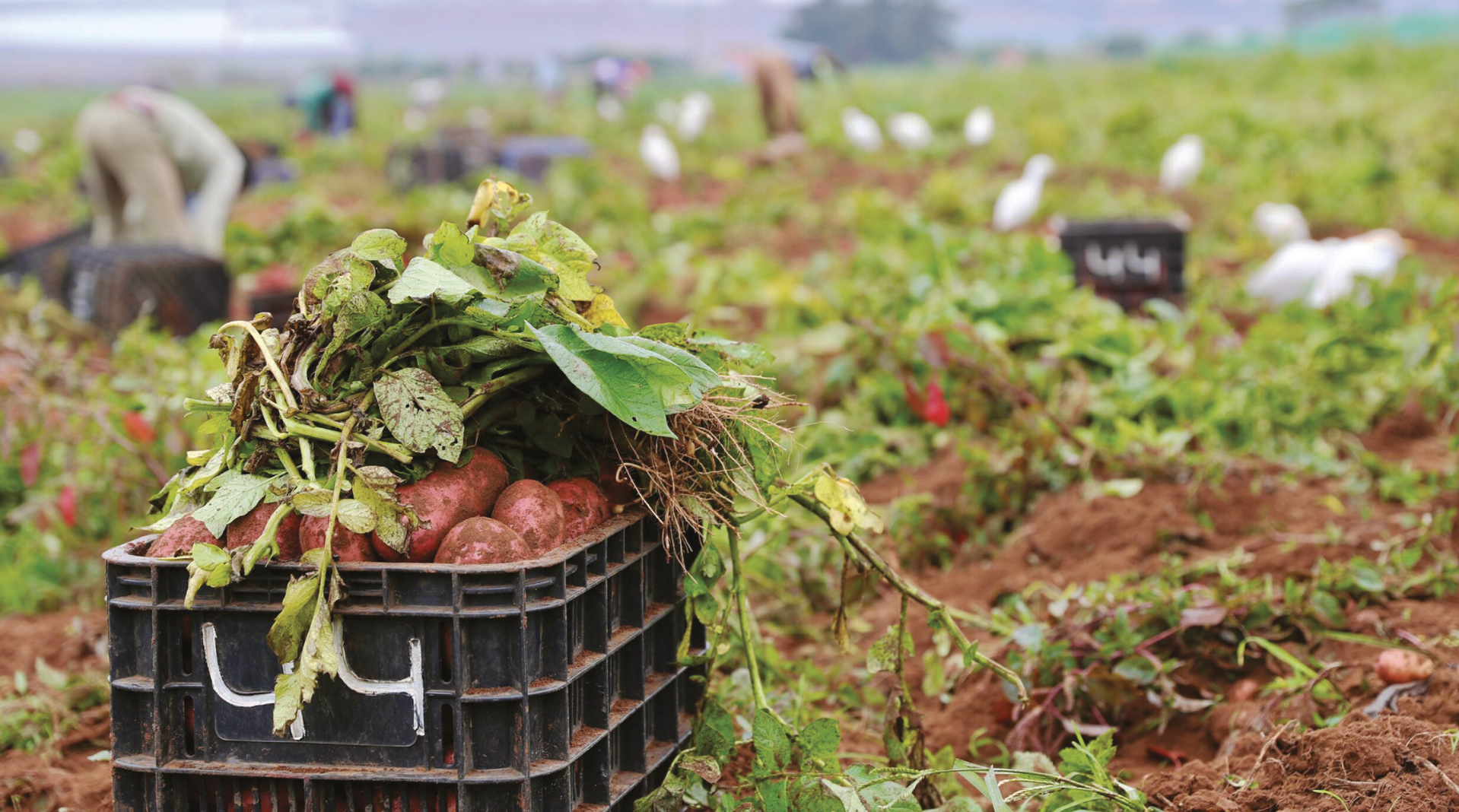
A range of public subsidies and financial aid is provided by the government for the benefit of farmers and livestock breeders, covering everything from land use to equipment, product enhancement, and export. These incentives are not static and adjust to evolving economic conditions and investor needs.

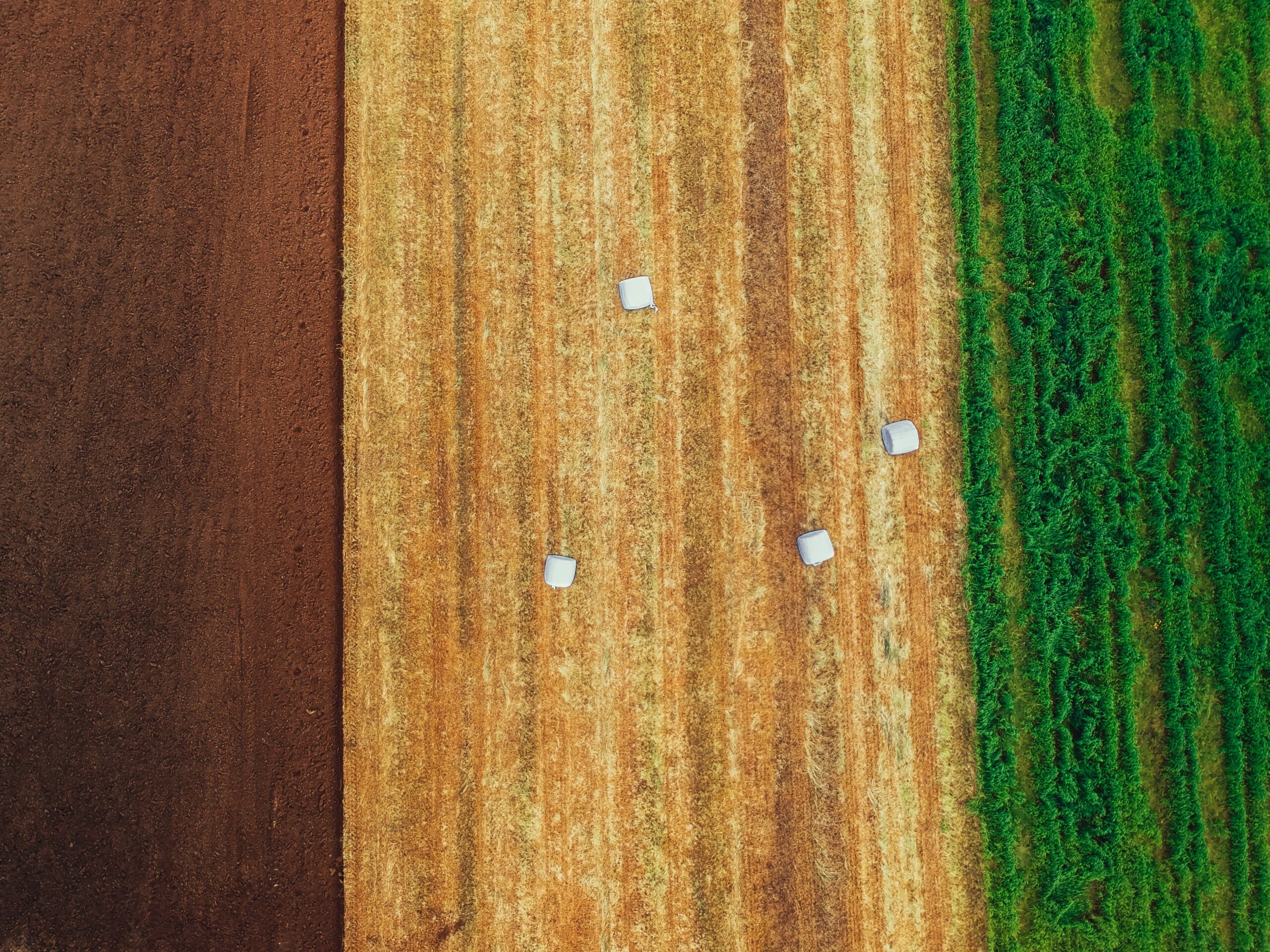
Agriculture in Morocco is no longer seen merely as a means of subsistence but as a genuine driver of national development. Over two decades, the sector—once weakly mechanized, fragile, dependent on rainfall, and focused on subsistence crops—has transformed into a strategic economic pillar capable of generating added value and skilled employment.
Moreover, Moroccan agriculture has embraced modernization, aiming to attract young entrepreneurs while integrating new technologies and digitizing processes.
This transformation has expanded into multiple dimensions, including entrepreneurship, the inclusion of women, the development of cooperatives, and aggregation models. The social dimension has also been prioritized, notably through the extension of social security coverage to farmers.
These changes were initiated in the 2000s with the launch of the Green Morocco Plan (PMV), which laid the groundwork for this transition by focusing on productivity, value chain enhancement, and efficient irrigation. Despite criticisms, the PMV succeeded in doubling agricultural exports, modernizing equipment, and creating thousands of jobs.
Following the conclusion of the PMV in 2018, the Generation Green Strategy took over, building on the PMV’s achievements while integrating new challenges, such as climate change impacts. Its objective is clear: to support farmers in facing climate-related challenges.
PMV: 94.5 Billion Dirhams in Support
This backing of farmers, sector modernization, and profound transformation have been accompanied by billions of dirhams allocated by the state to maintain agriculture as an inclusive and sustainable economic engine, primarily through the Agricultural Development Fund (FDA).
The Green Morocco Plan (PMV) mobilized a budget of 94.5 billion dirhams, with 39% (nearly 37 billion dirhams) contributed by public funds and the remainder by private stakeholders.
Budgetary efforts continue. In 2023, 4.5 billion dirhams were allocated to farmers, compared to 4.7 billion in 2022 and 4.5 billion in 2021. Annually, based on needs and shifting economic conditions, the government directs aid to specific sectors. Starting in 2024, three new types of financial incentives were added to the existing support framework.
These include subsidies for young people to invest in agricultural projects on collective lands, genetic improvement initiatives, and certified seeds and fruit plantations.
The first type of aid—targeting youth and members of ethnic communities—will be available until 2030, in addition to universal subsidies under the FDA. Investment support ranges from 1,000 to 7,000 DH per hectare (DH/ha), depending on project type and beneficiary category, capped at 20 hectares per project and disbursed post-project completion.
For the first time, the Agriculture Department introduced a rental assistance program, covering 70% of rental costs. This aid is capped at 2,500 DH/ha/year, 50,000 DH/project/year, with an overall limit of 150,000 DH/project. It is granted based on lease duration.
Meanwhile, Moroccan livestock breeders receive financial support until 2026 to modernize and enhance farm profitability: 6,000 DH per head for imported dairy heifers; 3,000 DH per purebred dairy cow born and raised domestically; 700–850 DH per head for breeding sheep; 450–550 DH for goats; 4,000 DH for cattle.
Additionally, the 2024-2025 agricultural season marked the first inclusion of new certified seed varieties in subsidy programs, such as food and forage legumes. Subsidies are allocated as follows: Oat and triticale seeds: 180 DH per quintal (DH/q); Fava beans and vetches: 205 DH/q; Lentils: 395 DH/q; Chickpeas: 395 DH/q.
Targeted Interventions
Additionally, to enhance the efficiency of agricultural operations while maintaining affordable prices for producers and consumers, the Ministry of Agriculture introduced targeted subsidies for round tomatoes, potatoes, and onions.
For the 2023-2024 and 2024-2025 agricultural seasons, subsidies per hectare range from 40,000 to 70,000 DH for round tomato seeds, 8,000 to 15,000 DH for potatoes, and 4,000 to 5,000 DH for onions.
The state’s targeted interventions extend further. A notable example is the subsidy for livestock imports, which cost 437 million DH over two years and resulted in a revenue loss of 13 billion DH due to the removal of 200% customs duties and VAT on these imports.
This array of financial incentives supplements pre-existing subsidies, such as those for localized and supplemental irrigation, with 75% to 100% of costs covered by the state.
For solar energy use in water pumping, the government funds 30% of the acquisition and installation costs for solar kits. Similar support applies to agricultural equipment purchases—tractors, plows, cultivators, shredders, seeders, harvesters—and livestock tools like feed mixers and silage machines.
Plants and seeds also benefit from subsidies, including cereals, legumes, forage crops (ranging from 180 to 395 DH per quintal), sugar beets, new date palm plantations, fruit tree replanting, rosaceae species, and argan trees.
Additionally, 50% of laboratory analysis fees are covered. To streamline processes for farmers, the Ministry of Agriculture launched the Unified Electronic Platform (GUE), dedicated to online submission of subsidy applications. This system aims to simplify procedures, reduce in-person visits, and improve administrative efficiency.
Simulation
Suppose a 5-hectare agricultural plot, acquired through leasing collective land, is planted with tomatoes at a density of 30,000 plants per hectare. Factoring in all subsidies provided by the Agricultural Development Fund (FDA), the state would cover costs totaling nearly one million dirhams.
This includes: A capped rental fee of 2,500 DH/ha; Soil preparation subsidies: 38,000 DH/ha for localized irrigation systems and 12,000 DH for constructing an irrigation water storage reservoir; Supplemental irrigation setup: 25,000 DH/ha; Up to 30,000 DH for solar-powered water pumping systems.
For tomatoes, state aid was limited to the two previous agricultural seasons. If reinstated, the government would cover 70,000 DH/ha. Regarding equipment, a farm of this size requires a tractor, plow, cultivator, and mechanical planter. Maximum subsidies for these tools are 62,000 DH, 8,000 DH, 6,000 DH, and 10,000 DH, respectively. Professionals estimate such subsidies can offset up to 60% of initial investment costs.
FDA: 46% of Subsidies Allocated to Irrigation
The Agricultural Development Fund (FDA) is the state’s primary tool for encouraging private investment in agriculture. Its funding comprises 86% from the state budget and 14% from import duties on select goods.
In 2023, financial incentives totaled 4.5 billion DH, distributed as follows: Hydro-agricultural infrastructure (3.5 billion DH): 43,449 hectares equipped with localized irrigation systems; 5,229 hectares developed; Agricultural equipment (332 million DH): 5,640 units acquired, including 1,226 tractors; Livestock production (301 million DH): 249,975 purebred sheep and cattle breeders; 6,388 goat breeders; Fruit plantations (124 million DH); Agricultural insurance (519 million DH); Sector modernization (179 million DH).