Kingdom
Treasures of Morocco: Toward the Long-Awaited Return of Looted Objects
France is paving the way for the restitution of looted cultural property, but the law is not yet in force. For Morocco, these objects—bearers of history and identity—could soon return to their land of origin and become living vehicles of memory and cultural transmission.

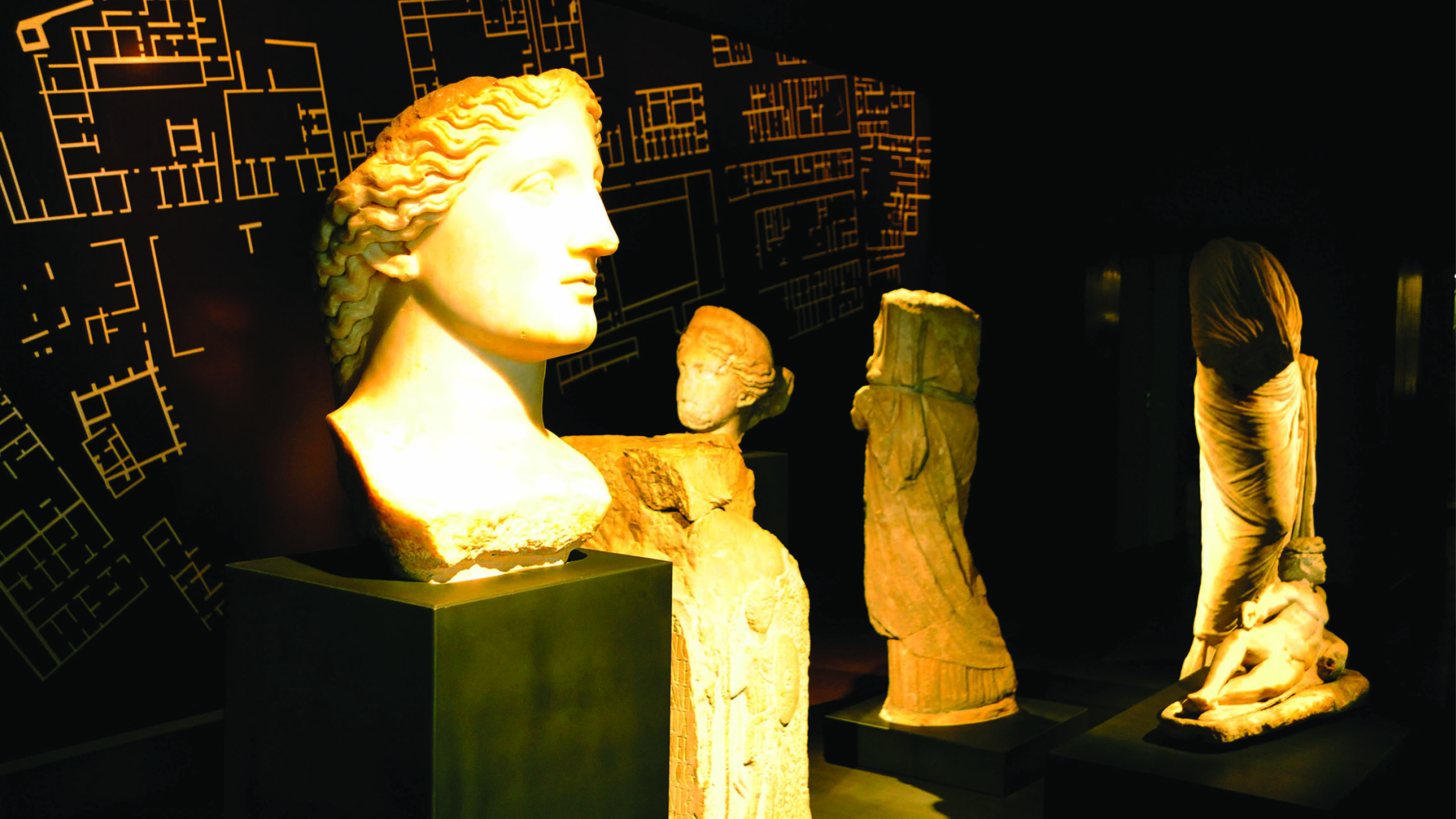
In France, the issue of restituting cultural property looted during the colonial period is progressing, but not yet fast enough to be truly concrete. The Senate adopted the draft law on January 28, 2026. It promises to simplify the return of works to their countries of origin.
Gone is the system in which each restitution requires its own separate law. But caution: the text is not yet in force. It still has to pass through the National Assembly, be definitively approved, promulgated, and published in the Official Journal. In the meantime, each return is still negotiated on a case-by-case basis.
For Morocco, this development is crucial. Mehdi Qotbi, president of the National Foundation of Museums (FNM), insists: the objects that tell the country’s history are far more than mere items.
Manuscripts, engravings, fossils, archaeological objects: they weave the plural history of Morocco, shaped by Arab, Amazigh, Jewish, and Andalusian influences. Their value goes beyond the material; they carry the very soul of Morocco. And according to him, it is not enough to bring them back: they must be brought to life, their stories told, transforming each museum into a space where the past engages in dialogue with the present.
But how can these treasures be made visible to the whole world while being kept in Morocco? For Qotbi, the balance is clear. The objects legally belong to the country. But nothing prevents them from traveling as part of touring exhibitions.
In this way, international audiences can discover Moroccan culture without detaching the objects from their context. Restitution and global outreach are not incompatible.
The logistical challenge is immense. Thousands of objects could be concerned. The FNM plans to establish a committee of experts and mobilize appropriate resources to avoid delays or chaos. This plan is part of an ambitious cultural momentum.
The future National Museum of Archaeology and Earth Sciences, the “Musée du Maroc” label, and the creation of museums in every city and region all contribute to structuring, professionalizing, and democratizing access to culture. Each returned object becomes an opportunity to strengthen conservation, restoration, and the transmission of knowledge.
Finally, the symbolism goes beyond the material. For Qotbi, these restitutions represent a recognition of Morocco’s history and a message of cooperation and respect in cultural diplomacy.
The FNM plans to accompany the returns with national exhibitions, conferences, and educational programs to raise awareness among younger generations. The objects are no longer merely displayed; they become vehicles of memory, emotion, and dialogue, building a bridge between past and present, rootedness and openness to the world.