Kingdom
The Ombudsman: An Institutional Momentum Begun
December 9th is a red-letter day in the history of mediation in the Kingdom. It is now a national day and a milestone on the path of strengthening a promising institutional dynamic.

Henceforth, December 9th of each year is established as the National Day of Institutional Mediation. The choice of this date is not arbitrary; indeed, it coincides with the creation of the “Diwan Al Madhalim” institution in 2001.
This date carries symbolic significance concerning human rights, giving it a special place in the institutional memory by recalling the date of the Royal Message in which His Majesty King Mohammed VI announced the creation of the “Diwan Al Madhalim,” while also commemorating the date of the promulgation of Dahir 1.01.298 establishing the said institution, notes a statement from the Kingdom’s Ombudsman.
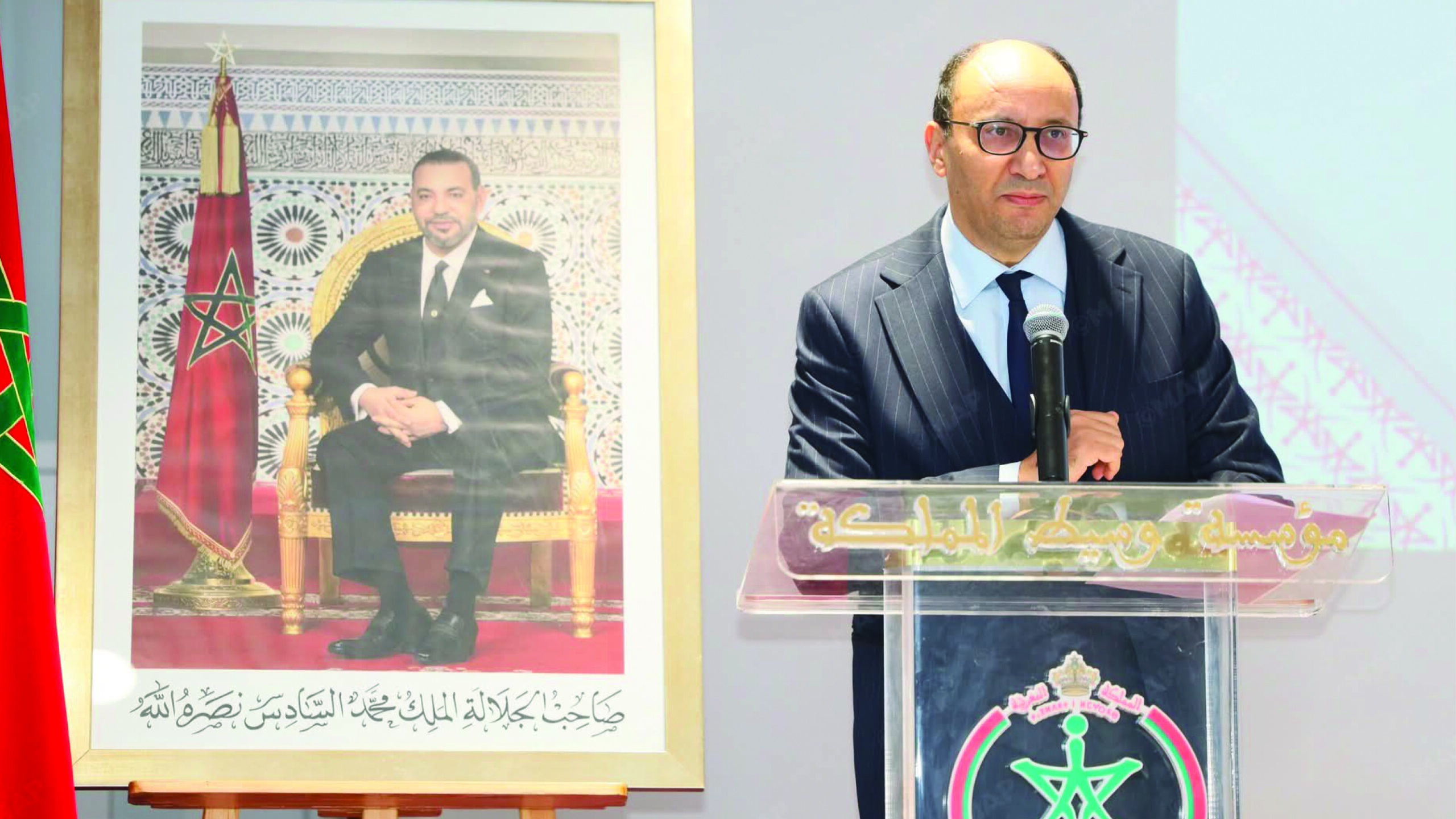
To mark the occasion, last Tuesday saw the organization of a communication meeting between the Kingdom’s Ombudsman and the institution’s permanent contacts within the Administration.
Speaking at the opening of this meeting, Hassan Tariq, for whom December 9th “constitutes a symbolic moment and a founding milestone in the consecration of institutional mediation,” indicated that “this date holds particular significance as it marks the first celebration of the national mediation day, instituted by His Majesty King Mohammed VI,” while emphasizing that “this day aligns directly with the royal interest in strengthening communication between governance bodies and other institutions.”
Tariq further noted, on this occasion, that this meeting, held under the overarching theme “For the Consolidation of Institutional Interaction,” constitutes an established tradition aimed at strengthening consultation and coordination, developing communication channels, and ensuring the continuity of follow-up between the institution of the Kingdom’s Ombudsman and its permanent contacts in the Administration.
A Vision and Actions
This event is, in fact, a link in the long chain of an “institutional dynamic” whose goal is to develop the role of mediation, aiming to strengthen public dialogue mechanisms and consolidate communication bridges with users and various stakeholders.
In this dynamic, it is worth recalling that last October, the Head of Government, Aziz Akhannouch, had called for increased coordination between public services and the institution of the Ombudsman. The objective, he had stressed, is to improve the effectiveness of administrative action and consolidate citizens’ trust in public service.
Indeed, in a note addressed to ministers, deputy ministers, secretaries of state, high commissioners, and the delegate general, Akhannouch insisted on “the necessity of strengthening mechanisms for cooperation, communication, and interaction between the Administration and the institution of the Kingdom’s Ombudsman.” The underlying imperative is to place the quality of public service and proximity to the citizen at the heart of state reform.
In the same note, the Head of the Executive was keen to recall that this institution, which constitutes an independent national body, plays a key role in administrative mediation and the amicable settlement of disputes between citizens and the Administration. As a true institutional interface, it works precisely to correct dysfunctions, promote equity, and guarantee the primacy of the law.
To give substance to this vision, Akhannouch had emphasized, in his note, the importance of designating within each administration a permanent contact person responsible for relations with the Institution of the Kingdom’s Ombudsman.
This representative should possess clear decision-making authority and constitute an essential link to ensure the effective implementation of recommendations issued by the institution and to swiftly resolve administrative disputes without resorting to the judiciary.
In the same vein, while noting certain shortcomings, the Head of Government urged officials to ensure that the designated contacts are provided with the necessary human and material resources to carry out their mission under the best conditions.
He also stressed the importance of responding within reasonable timeframes to the Ombudsman’s correspondence and interventions, while actively participating in the investigation and amicable settlement sessions conducted by the Institution.
Furthermore, to ensure greater speed and efficiency, the Head of the Executive called “to regularly inform the Institution of the Ombudsman of measures taken to implement its recommendations or, failing that, of the reasons preventing their application.”
Moreover, during the meeting on Tuesday, December 9th, Tariq had highlighted the importance of the role of the permanent contact as a “central link in the public service mediation system and an essential partner in matters of governance.”
This communication meeting is precisely part of a dynamic of moving from vision to effective implementation.