Influences
South-South Cooperation: Morocco Positions Education as a Strategic Pillar
Every year, thousands of students from across the continent’s five regions benefit from scholarships provided by the Kingdom, granting access to high-level academic and professional training in strategic fields such as science, healthcare, agriculture, engineering, and educator development.

In line with the enlightened Royal Vision, Morocco has positioned education as a strategic pillar of a solidarity-driven and innovative South-South cooperation, emphasized the Moroccan delegation during a public session of the African Union’s Peace and Security Council (AU PSC) on Wednesday.
“Faithful to the enlightened vision of His Majesty King Mohammed VI, may God assist Him, Morocco reaffirms its firm commitment to work alongside brotherly African nations and partners to ensure every child can learn in a safe, inclusive, and hopeful environment,” stated the Moroccan delegation during this public session on “Education in Conflict Situations in Africa.” The delegation noted that for the Kingdom, education serves as an essential engine for peace and development.
In this context, the delegation reiterated that every year, thousands of students from the continent’s five regions benefit from scholarships provided by the Kingdom, granting them access to high-level university and professional training in strategic fields such as science, healthcare, agriculture, engineering, and educator development.
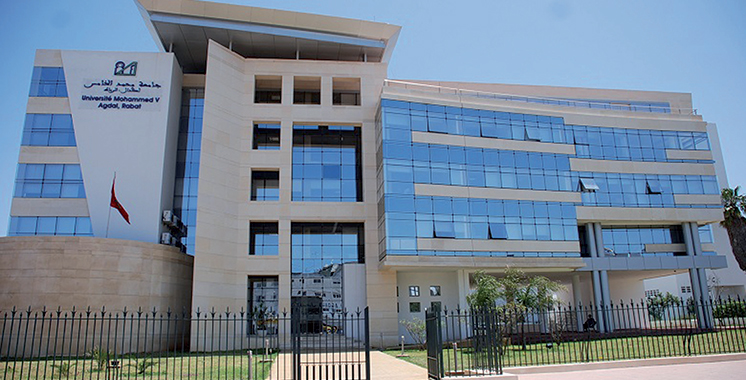
This major pillar of South-South cooperation, embodying the values of solidarity and win-win partnership, is implemented by the Moroccan Agency for International Cooperation (AMCI), which plays a central role in welcoming, supporting, and ensuring the success of African youth, the delegation added.
Furthermore, the delegation highlighted that beyond training, the Kingdom shares its expertise in educational reforms, digitalization of educational content, and maintaining educational continuity during crises. It cited joint projects with several African countries aimed at constructing and rehabilitating educational infrastructure, training national staff, and strengthening educational systems in the most vulnerable regions.
The delegation further stated that armed conflicts and prolonged crises affecting certain states have devastating impacts on educational systems, specifying that the destruction of school infrastructure, forced displacement of teachers and students, and prolonged disruption of classes severely hinder access to education.
On another note, redirecting financial resources toward military efforts further weakens the quality, inclusivity, and continuity of educational frameworks, the delegation argued. It noted that these realities deprive entire generations of fundamental achievements, erode social cohesion, and fuel a vicious cycle of marginalization and instability.
The delegation also emphasized that education extends beyond the mere recognition of a fundamental right—it is an indispensable strategic lever for conflict prevention and sustainable peacebuilding. By promoting universal values of tolerance, mutual respect, and intercultural dialogue, education cultivates responsible citizens capable of resolving disputes peacefully and building resilient societies.
In this regard, the Moroccan delegation stressed the imperative—even in crisis situations—to sustainably invest in inclusive, high-quality educational systems, protect schools as sanctuaries, and provide children with a future filled with hope and opportunity.
“Investing in education means investing in the security, stability, and sustainable development of our continent, ensuring a peaceful future for generations to come,” the delegation concluded.