Influences
Songs and Echoes of the Green March
From “Sawt Al Hassan,” an anthem forged in one night by Lamghari and Issami, to “My Massira” by Bashim, these iconic songs have united the people around the national cause. Fifty years after the glorious March, they sing the resilient soul of a proud and indivisible Morocco.

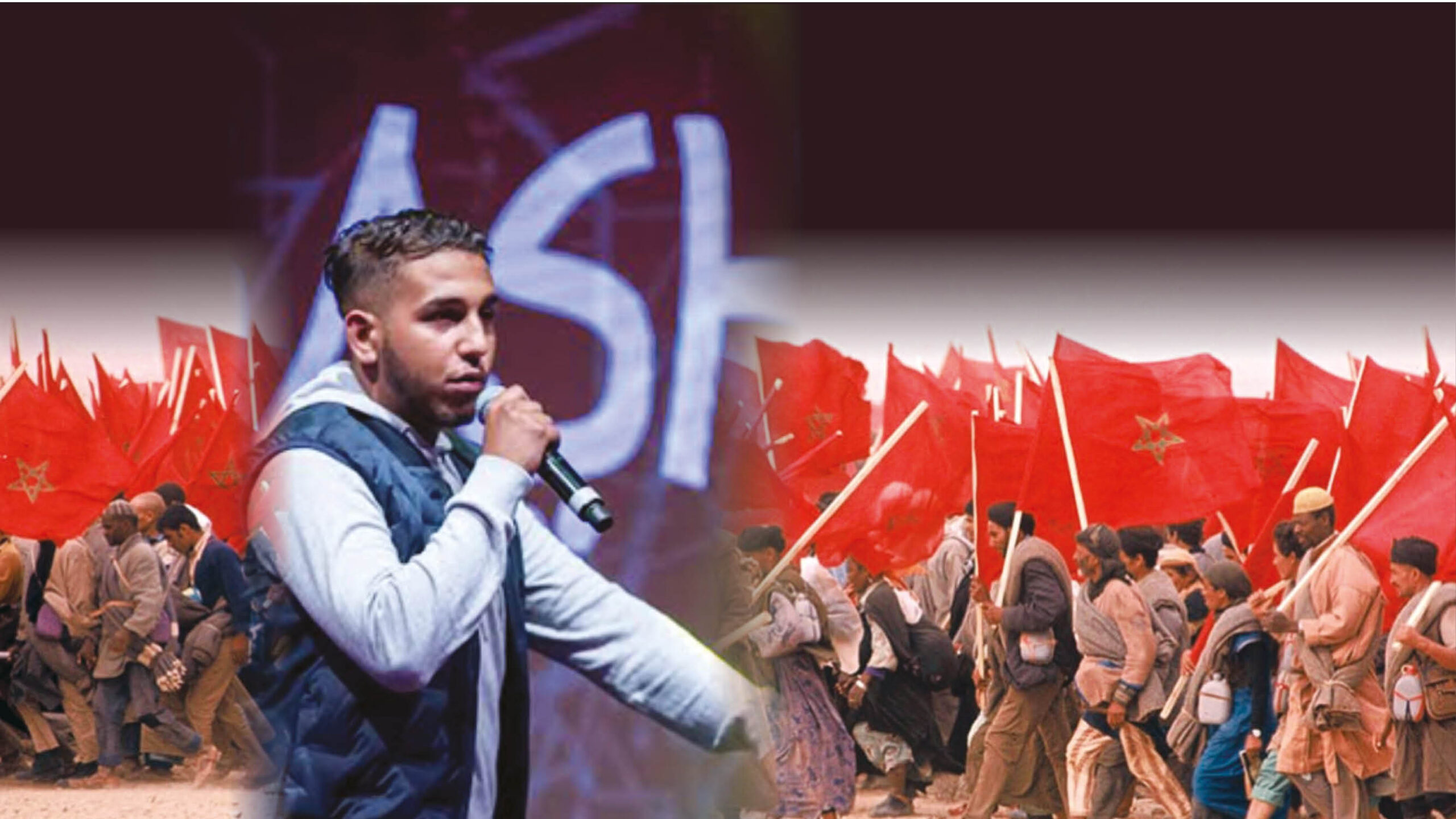
On November 6, 1975, 350,000 Moroccans, brandishing the Quran and the national flag, launched themselves into the Green March towards the Sahara, a peaceful gesture initiated by King Hassan II to reaffirm Moroccan sovereignty over this historic territory.
This foundational event, a symbol of national cohesion, immediately inspired artists. The songs born from this epic are not simple melodies: they are rallying cries, vectors of collective memory, sung from generation to generation.
Among them, “Sawt Al Hassan (The Voice of Hassan)” remains the emblematic anthem, while other hits, from folklore to rap, perpetuate this patriotic momentum. It was in the urgency of History that “Sawt Al Hassan”, or more precisely “Nidae Al Hassan (The Call of Hassan)”, was born.
Written by Fathallah Lamghari, inspired by the King’s radio broadcast speech, the song was composed that very evening by Abdallah Issami. Recorded in one night with a host of artists (Latifa Amal, Abdelmounaim Jamai, Mahmoud El Idrissi, Bahija Idriss, Mohamed El Hayani) and the Al Jawq Al Malaki Orchestra, it was broadcast the very next day on the national airwaves.
“I was in front of the television when the late Hassan II delivered his historic speech announcing the organization of the Green March. This moving moment awoke unique and exceptional sensations within me. Inspired by the words of the Sovereign, I wrote the song ‘Nidae Al Hassan’ in a quarter of an hour,” recounted Lamghari, whose usual romantic verses transformed into a fervent call for unity.
The lyrics, a hymn to patriotic duty, resonate like an oath: “Sawt Al-Hassan ynadi / Ya watani istajiib/ Lmassira Al-khadra / Nahno ma3ak fiha (The voice of Hassan calls / Oh my homeland, answer / The Green March / We are with you in it).”
Issami, moved by the text, confided: “As soon as I listened to the text written by Fathallah Lamghari, I composed the song with much love and attention. It is a song written and composed with the heart that proudly expresses the attachment of the Moroccan people to national values, and that is the secret of its success.”
Sung by the marchers themselves, it became the pulse of the caravan, uniting Berbers, Arabs, and Sahrawis under one melody. Performed by the Moroccan Philharmonic Orchestra in 2010, or in a collective remake by 33 artists for Coke Studio in 2017, it transcends eras, a symbol of inclusive nationalism.
Simultaneously, “Laâyoune Aynia (Laâyoune, my eyes)”, written by Mohammed Chahramane and arranged in one night by the legendary group Jil Jilala, captures the Saharan emotion. Its verses, blending dialect and nomadic poetry, evoke the dunes as beloved eyes: “Laâyoune aynia, Sahara watani (Laâyoune, my eyes, Sahara my homeland).”
This hit, broadcast during popular gatherings, strengthened the visceral bond with the territory, transforming the March into a collective odyssey.
The following decades saw the musical legacy enriched with modern versions. In 2017, the Venezuelan salsa “El Sahara de Marruecos”, an adaptation of “Sawt Al Hassan” by Tito Ramon Romero and Badr Meskaoui, delighted Latino-Moroccan diasporas, proving the universal reach of the anthem.
More recently, rapper Bashim paid homage with “My Massira”, an urban beat commemorating the event: “From the Green March to the winds of the Sahara, we advance united, no turning back.” This track, released in 2021, fuses tradition and contemporaneity, attracting youth via digital platforms.
Today, these songs permeate the annual commemorations, from schools to festivals like Mawazine, where the Emirati singer Ahlam performs them in a caftan, linking Africa and Arabia. They do not only celebrate a diplomatic triumph – the peaceful recovery of the Sahara – but also embody the Moroccan soul: resilient, poetic, united.
As noted by Abdellatif Benouhoud, former director of the Casablanca Conservatory: “Written with great emotion, this song, which still touches the heart of all Moroccans, was performed with great commitment and fervor.”
Indeed! The echoes of the Green March still sing of peace and pride, reminding us that music can redraw borders.