Kingdom
Settat: Agriculture and Groundwater, Main Beneficiaries of Recent Rainfall
The rainfall recorded this agricultural season will undoubtedly contribute to improving vegetation cover, lowering the prices of fodder and other animal feed, while motivating farmers to cultivate more.

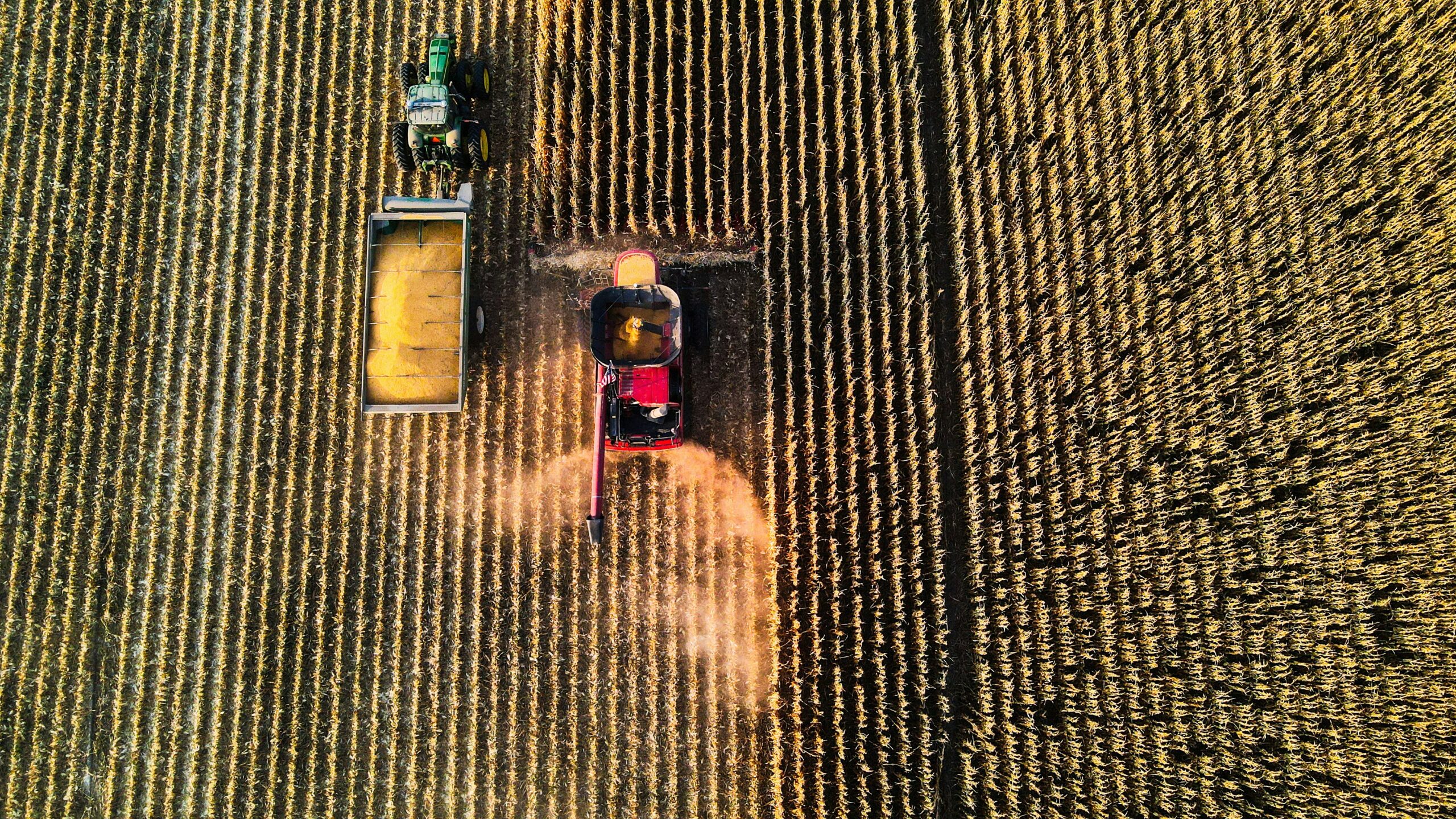
The recent rainfall recorded in the province of Settat is a good omen for agriculture and groundwater, after several years of scarcity and water stress, asserts Ali Amamou, a researcher at the National Institute of Agronomic Research (INRA).
“The rainfall recorded this agricultural season will undoubtedly contribute to improving vegetation cover, lowering the prices of fodder and other animal feed, while motivating farmers to cultivate more,” he emphasized in a statement to MAP, before noting their positive impact in improving soil structures and reducing water loss due to evaporation, which promotes better crop growth.
For this specialist in wheat genetic improvement, the abundant rainfall recorded will contribute to replenishing groundwater, which favors the non-reliance on irrigation and also creates ideal conditions for agriculture.
Regarding the situation of dams, he indicated that the small dams in the Oum Errabiâ Hydraulic Basin show a filling rate above 80%, while for the large dams, the water reserves have significantly improved.
And he assures that all indicators are green for autumn crops, particularly wheat and barley, with the promise of a good agricultural season.
A hope also shared by the region’s farmers who hope to definitively turn the page on the disastrous drought.
Bouchaib Mohcine, a farmer in Lkradid near the Daourat dam, states in this regard that the recent rainfall has revived hopes after the lean years, noting that the region has not seen such rains in many decades.
Precipitation that will have a positive impact on vegetation cover and will thereby lighten the burden of expenses for livestock breeders, he rejoices to MAP’s microphone.
Likewise, Abdelghani Hamzoui, a farmer in Ouled Said, is pleased with this situation which, in his eyes, is conducive to the prosperity of pastures and heralding a good agricultural year both quantitatively and qualitatively.
According to data from the Provincial Directorate of Agriculture in Settat, the areas cultivated with autumn cereals in this province amount to 318,600 hectares, compared to more than 10,000 hectares for fodder and 1,200 hectares for vegetables.
From the same source, it emerges that this province has recorded 222 mm of precipitation to date, compared to only 55.7 mm last year during the same period.