Kingdom
Sector VTC: Rapid Growth but Out of Control…
A symbol of modernity for some, a source of disorder for others, the sector is trapped in an in-between: neither fully legal nor completely illegal. Drivers, platforms, and passengers operate in a gray area…

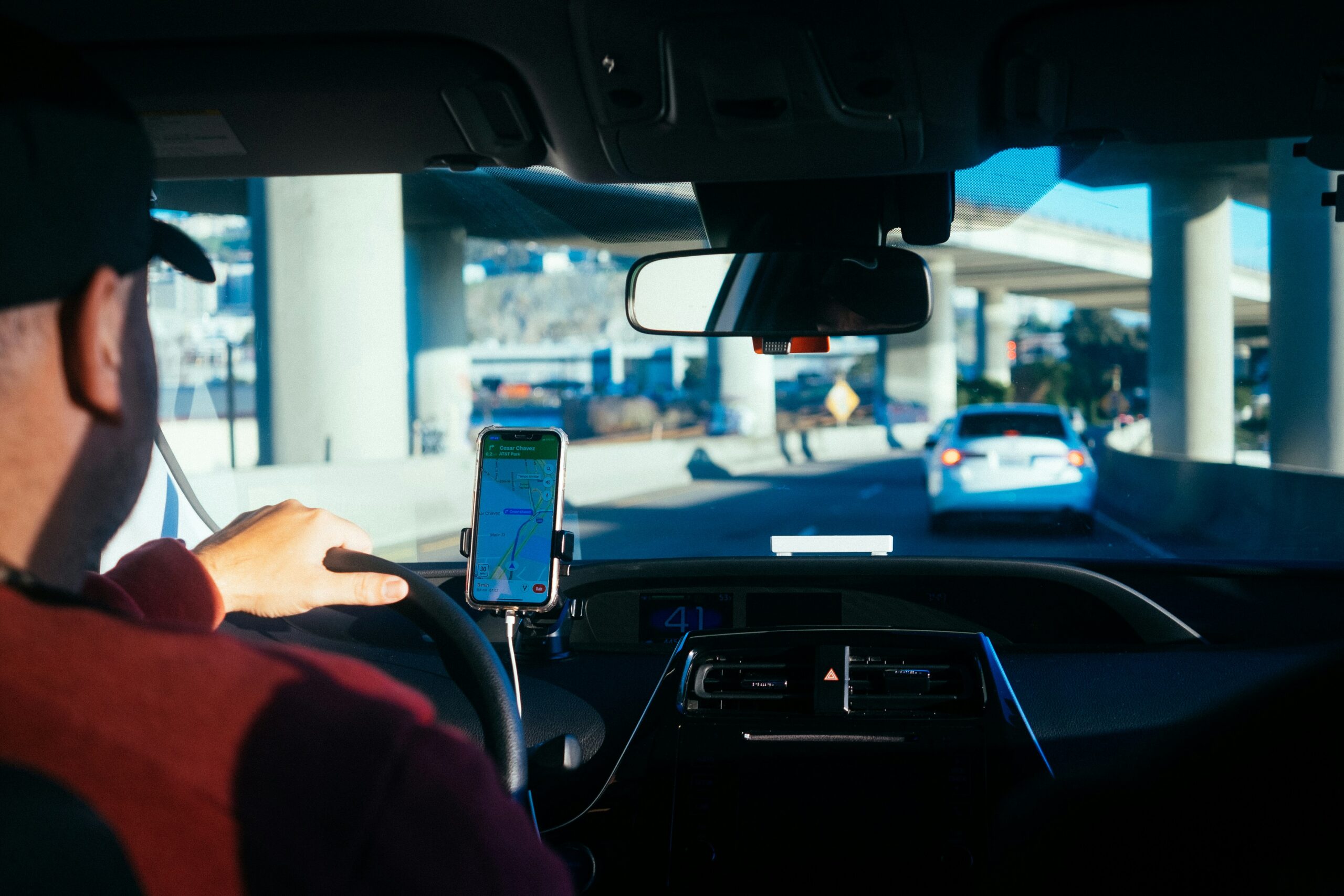
In Casablanca, Rabat, or Marrakech, just one click on an app brings a car to you within minutes, ready to take you wherever you wish to go.
Long dominated by traditional taxis, this type of urban transport in Morocco has seen the rise of VTCs (chauffeur-driven transport vehicles) in recent years, driven by local and foreign platforms. The service particularly appeals to a connected clientele, tired of taxi drivers’ moods and sometimes unpredictable routes.
According to a study conducted two years ago, 18% of Moroccans use VTCs, and 4.5% of them are regular users. The same survey indicates that 97% of users are satisfied with the service quality, and 95% feel safe.
The supply has exploded: thousands of drivers have flooded into this promising market, often with nothing more than a driver’s license and a working vehicle. According to estimates from the association created by VTC drivers, the sector now has 85,000 active drivers across various platforms.
Geographically, Casablanca leads with 12,000 drivers, followed by Rabat with 6,000 and Marrakech with 4,500. Additionally, there are eight apps, including InDrive, Yango, Yassir, and Toogo. It is worth recalling that Uber was the first to enter this market in 2015.
Two years later, drivers founded the Moroccan VTC Association to “structure the market” and protect their rights.
However, this initiative has not shielded the sector—which the association says is now undergoing “notable evolution”—from numerous dysfunctions. “This activity is informal and characterized by total anarchy. The market is growing without regulation.
Among the anomalies are the registration conditions with the platforms, the absence of transport licenses, variable pricing, and unstable incomes.
Not to mention the direct confrontation with taxi drivers and the ambiguity of public authorities, which explains the legal uncertainty we are in,” the association states. They add: “It is to address all this that we are calling for a comprehensive reform to organize the market, protect drivers, and secure passengers.”
An informal sector with unclear rules…
If the promise of VTCs is a structured and transparent service, the Moroccan reality is quite different. Registration conditions with the platforms often boil down to submitting a copy of the national ID, driver’s license, and vehicle registration.
Association members lament “the absence of serious administrative oversight. And platforms that initially required self-employed status now overlook this condition.” As for pricing, which is supposed to follow uniform rules across all platforms, it is also subject to abuse.
“Many drivers negotiate directly with passengers, offering a flat rate for the ride to avoid the commissions taken by the apps,” says an association member. The result: price differences, sometimes significant, are noted from one trip to another, to the detriment of the transparency promised initially.
It should be noted that commissions also vary from one app to another. For example, InDrive charges around 11%, while other operators take between 10% and 23%. On top of this commission, a 2% VAT is added.
For drivers, this economic model proves very fragile: with no clear status, no social coverage or appropriate insurance, and a highly variable income—estimated between 4,000 and 7,000 dirhams.
These problems are compounded by friction with taxi drivers. As license holders subject to strict regulatory obligations governing the profession, taxi drivers denounce “unfair competition.”
In Casablanca and Rabat, for example, these frictions often lead to altercations and assaults when taxi and VTC drivers cross paths on public roads.
This has led some taxi unions to outright call for the abolition of this service.
This disorder is perpetuated, in the association’s view, by the ambiguity of public authorities’ stance. Officially, this type of transport should be subject to a legal framework.
However, in practice, the apps operate outside regulatory boundaries. Except for occasional checks resulting in vehicle seizures—reminding drivers of the fragility of their situation. This calls for, as stated by the Moroccan VTC Association, “a comprehensive reform of this sector and the establishment of clear regulations protecting both drivers and passengers.”
A call that, according to this body, has not yet been heard by public authorities. And this regulatory vacuum is exploited by new entrants into the sector, including, as noted on the ground, “taxi drivers who, at the end of their shifts, get behind the wheel of their own vehicles for a few rides, or even civil servants and employees looking to supplement their end-of-month income, who also do not hesitate to take advantage of the prevailing anarchy in the sector—not to mention car rental agencies!”
The sector faces a dilemma: regulate an activity that meets the demand for modern mobility, or let the disorder continue? For the VTC Association, “the issue must be resolved quickly as we approach 2030, so that we can provide quality urban transport services.”
Taxis vs. VTC: The Battle of Fares
For taxis, fares are theoretically fixed and protected by regulation. The meter is in principle mandatory, but in practice, many drivers refuse to use it and negotiate directly with passengers, especially for night rides or trips to stations and airports.
For VTCs, fares are calculated based on distance and duration and are set by the apps. But some drivers bypass the app to offer a direct flat rate, often more expensive or sometimes cheaper.
For example, a 5 km trip in Casablanca can range between 25 and 40 dirhams depending on the time of day, compared to 15 to 20 dirhams by taxi. The latter remains cheaper. But the transparency, availability, and comfort of VTCs are attracting more and more users despite a higher average cost.