Kingdom
Sardines: A Vital Biological Rest for the Industry
Small pelagic fishing enters a biological rest this January to halt the accelerated depletion of sardine stocks and the collapse of landings. The industry says it awaits economic and social support measures to sustainably preserve the sector.

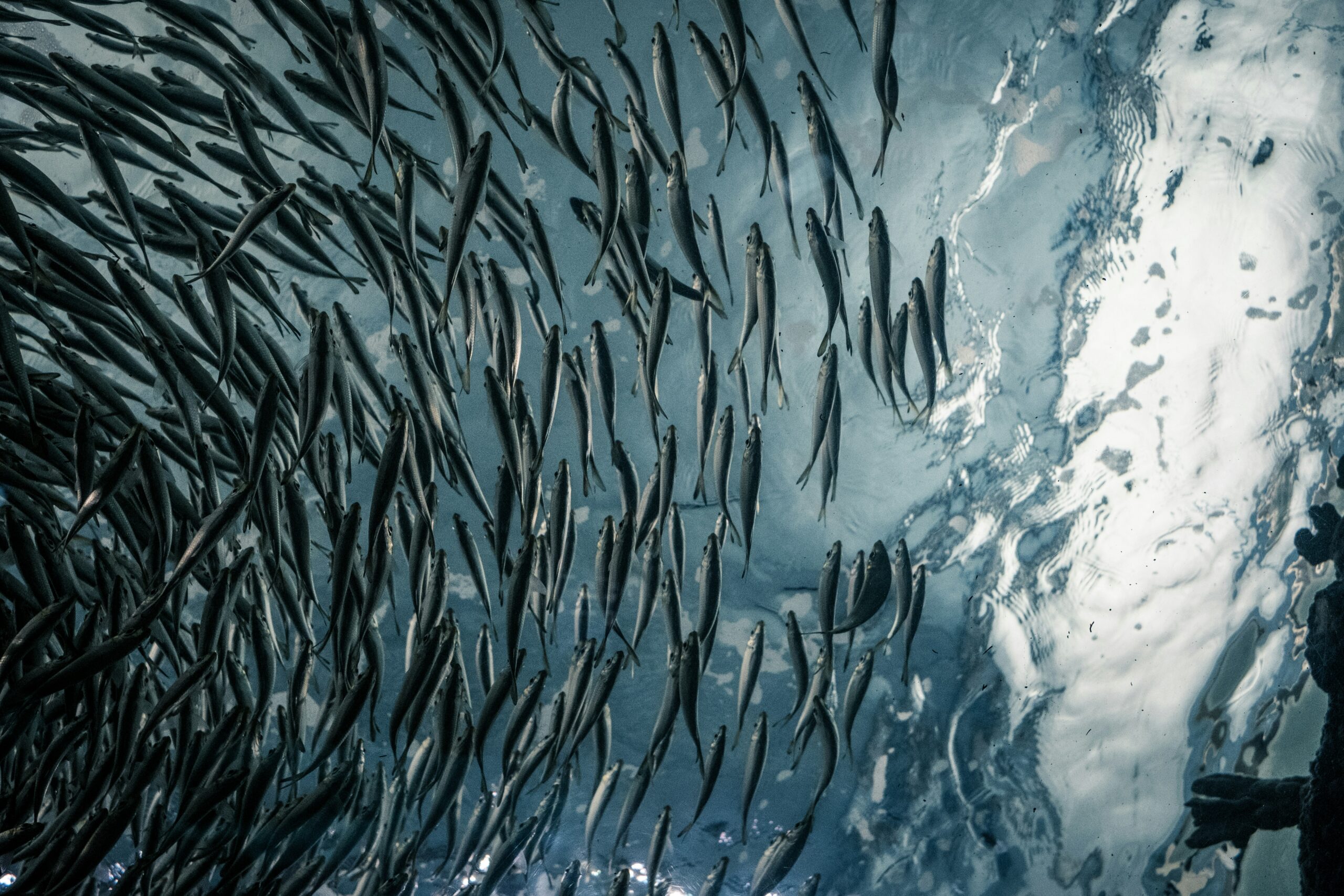
Small pelagic fishing has entered a decisive phase. Since January 1, 2026, a biological rest for sardines has been established along the coast from Agadir to Cape Boujdour, lasting until February 15, and will be extended to February 28 between Boujdour and Dakhla.
The objective is clear: to allow for biomass reproduction, curb overexploitation, and halt the accelerated depletion of fishery stocks at the heart of Morocco’s fishing economic model.
This decision, enacted by Decree No. 05/25 from the State Secretariat for Maritime Fisheries, comes in the context of an unprecedented crisis for the sardine canning industry. For behind this biological pause lies much more than a simple adjustment to the fishing calendar: it is the survival of a strategic sector that is at stake.
The figures illustrate the scale of the situation. In 2022, the reference year, sardine landings reached nearly 897,000 tonnes in the first eleven months. In 2025, they no longer exceed 368,000 tonnes, a drop of 60%.
Exports follow the same trajectory, with a 50% decline in volumes over the period. This contraction translates into an estimated loss of 1 billion dirhams in revenue, reducing the sector’s earnings from 5.9 billion dirhams in 2022 to 4.9 billion dirhams in 2025.
Beyond volumes, it is the entire sector’s competitiveness that is eroding. As the world’s leading exporter of canned sardines, Morocco is gradually losing market share in Europe, while the African market remains largely under-exploited. At the same time, the rising cost of raw material is increasing pressure on industrial processors.
The price of sardines has risen from 4 DH/kg in 2023 to nearly 10 DH/kg in 2025, and that of mackerel from 8 to 15 DH/kg. To these pressures is added a general surge in operating costs, driving up the cost price by nearly 40%. The difficulties are also social.
The decrease in available volumes has reduced the activity of canning factories by nearly 50%, leading to temporary suspensions, losses of working hours, and risks of permanent closures.
Yet, the canning industry remains the most labor-intensive fishery sector: it generates eight times more jobs than freezing and forty times more than fishmeal production. Today, more than 35,000 direct and 120,000 indirect jobs are at stake.
Upstream, the pressure on the resource is considered excessive. Professionals are warning about the massive capture of juveniles and sea discards, which worsen ecosystem degradation.
“Everything that is caught must be landed,” insists a sector stakeholder, emphasizing that current penalties remain insufficient to deter destructive practices.
For its part, the National Fisheries Research Institute has repeatedly warned about the critical state of small pelagic stocks. In this context, the biological rest appears as a necessary step.
Furthermore, many professionals believe its duration should be extended from two months to three, or even four months, to ensure a genuine renewal of the biomass, similar to what Spain and Portugal have already implemented, with proven results in resource recovery.
But this pause cannot succeed without support. The current catch-based payment model leaves sailors and workers vulnerable during the stoppage periods, when their income drops to zero.
The profession is thus advocating for targeted support measures: compensation for fishermen, support for seasonal workers, aid for struggling freezing units. Without this support, the biological rest risks, in the short term, exacerbating social precarity.
Industrial processors are also calling for structural decisions. The effective limitation on the export of frozen raw material, although enacted, still awaits implementation. A reduction in customs duties and VAT on imported raw material is deemed essential to relieve companies.
Other avenues are being considered, such as concluding agreements with neighboring African countries (Mauritania, Guinea, or others) to diversify supply sources, or requiring a portion of the catches made by foreign vessels to be landed in Morocco.
In reality, the sardine biological rest marks the beginning of a new cycle for Moroccan fishing. It is no longer just about protecting the sardine, which alone represents 85% of national fishery production, but about rebuilding the sector’s economic model.
Without a preserved resource, there will be no competitive industry, no sustainable jobs, and no fishery sovereignty. The biological pause is therefore a necessary time to avoid collapse, provided it is part of a comprehensive, economic, and social vision for the sector.