Influences
Sahara: Côte d’Ivoire reiterates its support for Morocco’s autonomy initiative
During the C24 Regional Seminar in Managua, Côte d’Ivoire reaffirmed its support for the autonomy initiative proposed by Morocco, highlighting its compliance with international law as well as its political, economic, and social benefits for the populations of the southern provinces.

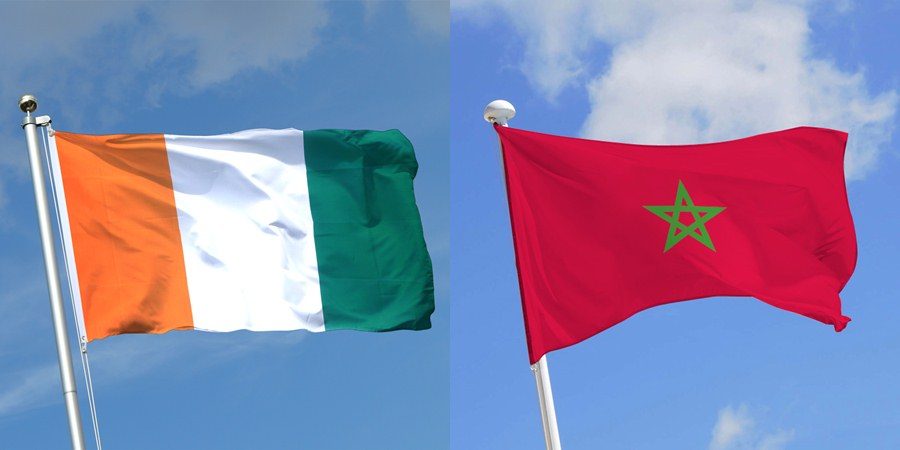
Côte d’Ivoire renewed its support for the Moroccan autonomy initiative as a solution to the regional dispute over the Moroccan Sahara during the United Nations Committee of 24 (C24) Regional Seminar recently held in Managua, Nicaragua.
The Ivorian delegation stressed that this proposal, supported by nearly 130 states, including three permanent members of the Security Council, fully complies with international law, the United Nations Charter, and the relevant UN resolutions.
Abidjan also highlighted the relevance of this initiative, enshrined in Security Council Resolution 2797 adopted in 2025, noting that it takes into account the region’s specificities and allows local populations to actively participate in managing the political, economic, and social affairs of the Moroccan Sahara.
The delegation noted that the inhabitants of the southern provinces take part in the various electoral processes organised in the Kingdom, freely choosing their representatives at local and national levels. In this regard, it welcomed the presence of elected officials from the Moroccan Sahara at the C24 proceedings.
On the development front, Côte d’Ivoire emphasised the positive impact of investments made under the New Development Model for the southern provinces, launched in 2015. These projects have contributed to improving living conditions and strengthening human development indicators in the region.
The Ivorian delegation also highlighted Morocco’s efforts in promoting and protecting human rights, particularly through the work of the regional commissions of the National Human Rights Council in Laâyoune and Dakhla, as well as cooperation with the Office of the United Nations High Commissioner for Human Rights.
Commending the Kingdom’s ongoing efforts towards a political solution based on compromise, Côte d’Ivoire noted that these advances reinforce the credibility of the autonomy initiative, which grants significant prerogatives to the populations of the Moroccan Sahara in managing their local affairs.
Côte d’Ivoire further recalled that the opening of its Consulate General in Dakhla reflects its commitment to the economic and social development of the southern provinces of the Kingdom.
The delegation also expressed concern over reports regarding the human rights situation in the Tindouf camps, calling for the registration and census of the populations.
At the same time, Côte d’Ivoire reaffirmed its full support for the exclusively UN-led process aimed at reaching a definitive political solution to the regional dispute over the Moroccan Sahara based on the autonomy initiative.
Emphasising that the United Nations remains “the appropriate framework” for achieving a peaceful solution to this issue, the delegation also welcomed the facilitation efforts of UN Secretary-General António Guterres and his Personal Envoy for the Moroccan Sahara, Staffan de Mistura.
Côte d’Ivoire also highlighted Security Council Resolution 2797, considering that it confirms the exclusively UN-led nature of the political process to find a definitive solution based on the Moroccan autonomy plan.
Finally, the Ivorian delegation called on all parties to demonstrate realism, a spirit of compromise, and good faith in order to achieve a lasting political solution to this regional dispute.