Business
RAM Prepares Its Entry into the Big Leagues
The Aircraft Acquisition Plan, to be implemented by Royal Air Maroc through 2037, will position the national carrier as a major player in international air transportation.

The 2023-2037 Framework Agreement, signed between the government and Royal Air Maroc (RAM) in July 2023, is of critical importance. It will equip the national carrier with the resources to achieve its ambitions while providing significant support to the National Tourism Strategy through 2030 and beyond.
To reiterate, this state-backed agreement will enable RAM to quadruple its aircraft fleet from approximately 50 to 200 planes by 2037. This substantial quantitative leap will grant the Kingdom optimal air capacity, allowing it to accommodate 65 million travelers within the next twelve years.
In short, it is clear that the airline’s future priority is strengthening its operational capabilities.
The Strategic Turning Point
2024 marks a pivotal year: in April, the national carrier launched a tender for the acquisition of 188 aircraft (including around 60 aircraft engines), with an estimated cost of $15 billion. This unprecedented order size and financial commitment reflects RAM’s ambition to compete in the big leagues of global air transport.
Notably, as RAM’s fleet surpasses 60 aircraft—a threshold requiring strategic supplier diversification—the airline is poised to acquire planes from manufacturers other than Boeing, its longstanding partner and supplier.
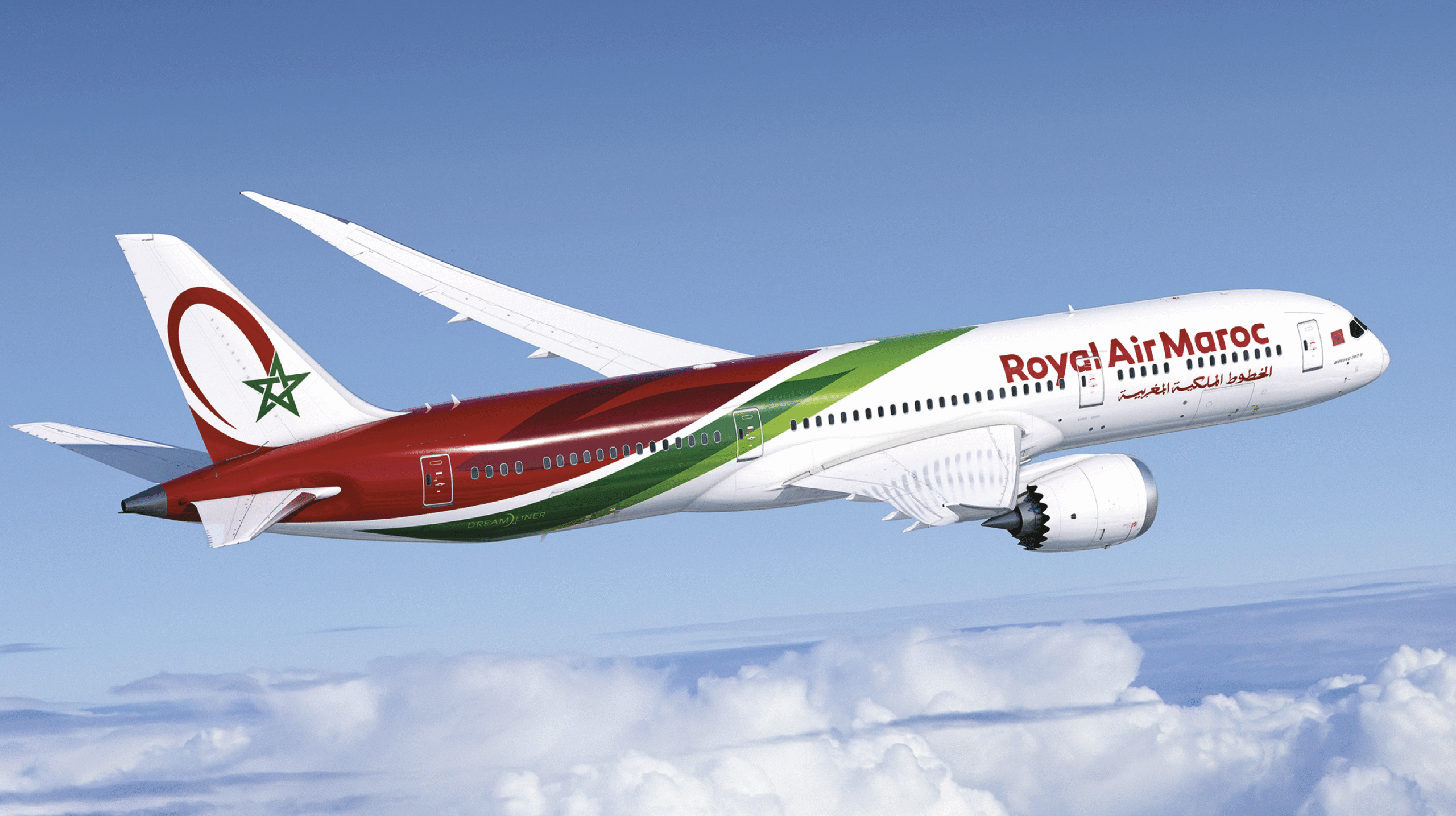
It should be emphasized that the pan-African carrier had already begun preparing for this expansion even before the 2023-2037 framework agreement was signed. For example, between November and December 2024, RAM received two Boeing 787-9 Dreamliners from a pre-agreement order.
This prior order includes ten aircraft: seven Boeing 737 Max for medium-haul routes and three Boeing 787-9 Dreamliners for long-haul operations.
By December 2024, the two aforementioned wide-body aircraft increased RAM’s long-haul fleet to 11 planes. Over the past decade, under CEO Abdelhamid Addou’s leadership, RAM has focused on expanding its long-haul fleet (comprising Boeing 787-7 and 787-9 models) to accelerate growth and modernization.
This effort unfolds amid fierce competition among global airlines vying to capitalize on the post-Covid surge in air traffic.
Massive Acquisition Plan
Aligned with RAM’s growth and modernization goals, the massive acquisition plan (to be completed by 2037) will include 125 short- and medium-haul aircraft and 63 long-haul aircraft.
Currently, while financing for RAM’s new fleet faces minimal uncertainties, delivery timelines remain a challenge. This is partly due to the overwhelming order backlogs at the world’s two largest commercial aircraft manufacturers: Airbus (826 orders in 2024) and Boeing (377 orders in 2024).
Beyond delays in parts and components from suppliers, both manufacturers—shortlisted to supply RAM’s new fleet—must also meet massive demand from major airlines.
These airlines anticipate robust air traffic growth and are prioritizing fleet expansion and renewal with more fuel-efficient, technologically advanced, and environmentally compliant aircraft.
For instance, Qatar Airways announced a landmark $96 billion order for 210 Boeing aircraft on May 14, 2025.
Another complicating factor: Boeing (RAM’s historic partner) continues to grapple with fallout from the 2018 and 2019 737 Max crashes, recurring 737 Max safety concerns in 2024, and labor strikes at its factories in late 2024.
As a result, Boeing lagged far behind Airbus in 2024 deliveries (348 vs. 766 aircraft), making the European manufacturer a likely key supplier for Morocco’s future fleet.
By 2037, RAM’s fleet may also include planes from ATR and Brazil’s Embraer, which signed a $1 billion investment agreement with the Moroccan government in October 2024 (to be realized by 2035).
A Strong Financial Profile
RAM’s 2023 financial performance—a net profit of MAD 447 million and revenue of MAD 19.7 billion (up 57% from 2022)—positions it to pursue funding options such as debt financing and leasing.
Increased state investment in RAM’s capital will further enhance the airline’s financial flexibility to execute its fleet acquisition plan.
Moreover, Morocco’s rise as Africa’s top tourist destination (surpassing Egypt in 2023) bodes well for RAM’s financial outlook.
This is particularly reassuring given the $15 billion required to expand RAM’s fleet, which—under its agreement with the state—must launch 100 new international routes and achieve revenue of MAD 94 billion by 2037.