Influences
Port Modernization: The NPA Sets Sail
Management of shipyards, maritime governance, development of green traffic… So many strategic projects launched by the Agency to improve management and strengthen the competitiveness of ports by 2030. Round-up.

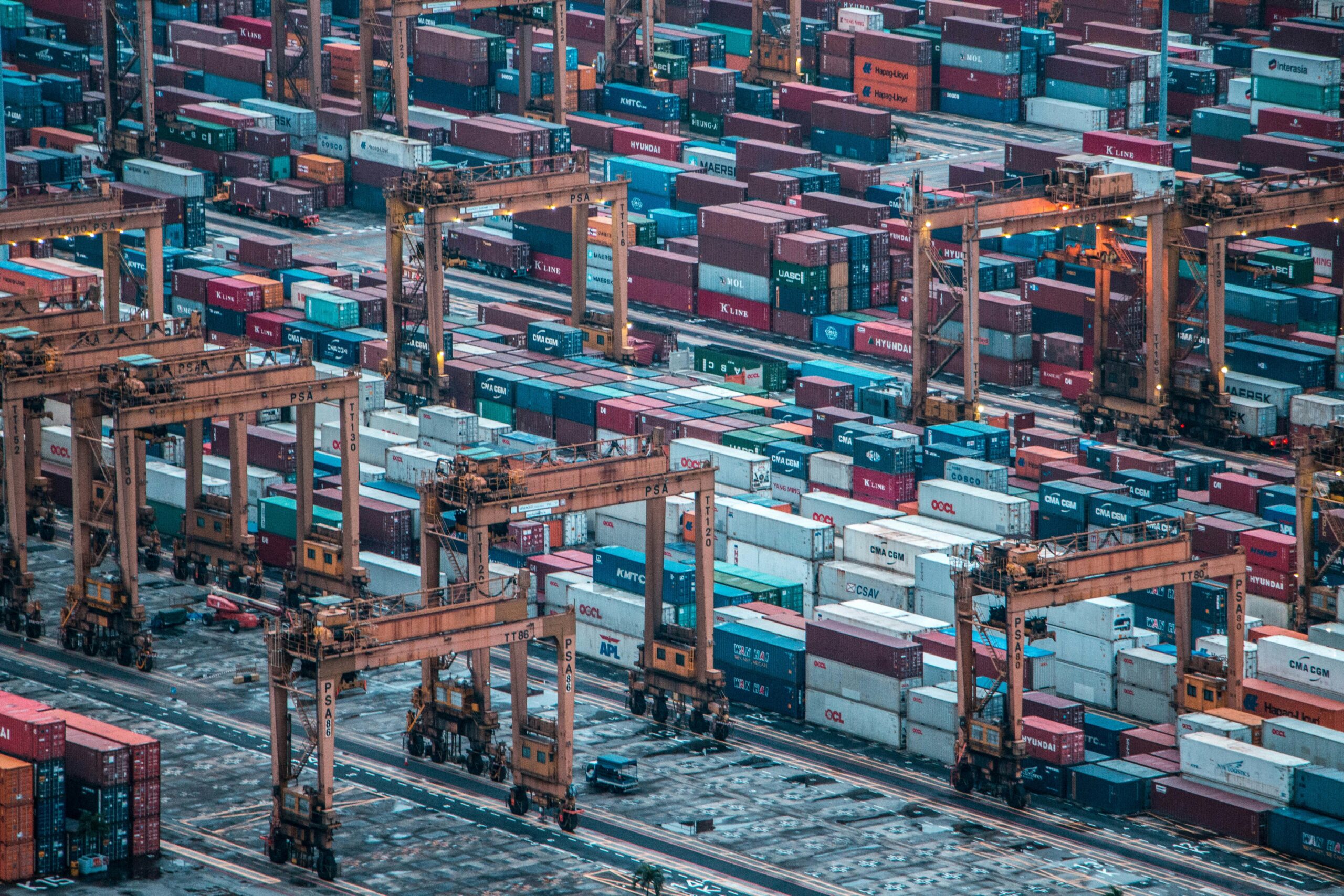
Morocco is accelerating the pace in strengthening its maritime infrastructure. In early October, the National Ports Agency (ANP) relaunched the procedure for the development of its new strategy dedicated to shipyards, cruise, yachting, and passenger transport.
Budgeted at 6 million dirhams (MDH), the study, planned for a duration of seven months, will have to provide a comprehensive assessment of port services dedicated to cruise, yachting, passengers, and shipyards. A diagnosis that will allow the Agency to precisely identify the strengths and weaknesses of each segment and propose areas for improvement.
But beyond a simple assessment, this work must result in the formulation of a structured action plan, broken down into short, medium, and long term for each segment. In short, the future successful bidder will have to perform the diagnosis, the evaluation of port services, international benchmarking, and market trend analysis. And finally, formulate strategic recommendations and establish an action plan.
The relaunch of this strategic market is one of the latest initiatives of the public entity led by Mustapha Farès, which has been chaining major projects since the beginning of the year. Objective: to modernize and improve the governance of the port sector, as part of its strategy for the 2030 horizon.
Moreover, the integration of a section dedicated to shipyard management in this consultation is far from insignificant. It is part of a process initiated several years ago and which has taken a new turn in recent months.
Overhaul of the performance management system
Proof: on April 7, 2025, the ANP had re-tendered the concession for the future Casablanca shipyard, considered the “future largest shipyard in Africa.” A call for competition was launched to recruit a company responsible for the development, equipment, financing, operation, maintenance, and upkeep of the new shipyard.
To ensure effective management of its infrastructure, it would still be necessary to have efficient governance tools adapted to international standards. The port institution is well aware of this. Hence its project to overhaul its performance management system, as part of its strategic transformation into a public limited company.
This overhaul will be overseen by the Performance Management Directorate, established in 2024, with an approach focused on well-defined performance indicators: transparency, agility, operational efficiency, and sustainable development.
To make this system more agile and responsive, the Agency plans to introduce adjustments to adapt in particular to rapid market changes, sustainability challenges, and the increasingly complex demands of various stakeholders.
One of the major innovations is the integration of a digital solution around the Enterprise Performance Management (EPM) concept. The objective is to track the aforementioned indicators in real time, consolidate the automated data system, and have a better capacity for prospective analysis.
Evaluation of port concessions
The evaluation of port concessions also holds a prominent place in the forward-looking vision of the national entity. This is evidenced by the consultation launched last June to secure the services of a firm that will verify compliance with the contractual terms of the six concessions currently valid at the port of Casablanca.
Estimated at two million dirhams (MDH), this audit mission, which will cover the last five fiscal years, also aims to evaluate the effectiveness of the management and steering mechanisms for relations with the concerned concessionaires and to assess the effectiveness of the monitoring and control tools put in place.
Sustainable traffic is also in the sights of the National Ports Agency. A very promising niche that attracts major world ports.
Capturing flows related to the energy transition
To capture these emerging flows, it plans to expand the area of the Jorf Lasfar port to erect a green basin there. The related study, which aims to meet the technical, logistical, and environmental needs of the future green basin, was recently entrusted to Tanger Med Engineering (TME).
Over the next twelve months, the structure, 51% owned by Tanger Med Special Agency (TMSA) and 49% by the engineering office Novec, a subsidiary of CDG, will work on integrating “green products” into port activities.
And this, by identifying high-potential sectors (biomass, green ammonia and hydrogen, low-carbon footprint fertilizers) and analyzing logistical flows, infrastructure requirements, regulatory constraints, as well as growth prospects.
The choice of the El-Jadida port is not random. The port platform, one of the industrial pillars of the Kingdom, is located in an area that has seen a massive influx of green investments in recent years. Notable examples include the Cobco electric vehicle battery components plant, the result of a joint venture between Al Mada and the Chinese company CNGR, which began operations last June.
The more than 2 billion dirhams (MMDH) unit of the Chinese giant Tinci Materials, which will produce battery electrolytes, as well as the graphite production plant of Fluoralpha, a subsidiary of the InnovX group (OCP), as part of a joint venture with the Canadian Falcon Energy Materials are also in the pipeline.
Green flows, primarily destined for European and American markets, which will thus be able to transit via the port of Jorf Lasfar (or other Moroccan ports like Tanger Med or Casablanca), just like the future productions of green hydrogen and its derivatives under the Morocco Offer. This will undoubtedly strengthen its competitiveness and make it one of the world’s preferred maritime routes for the energy transition.
5 MMDH to strengthen maritime infrastructure
Through its numerous strategic projects, the National Ports Agency aims to make Morocco a strategic hub in international maritime traffic. This royal will was once again confirmed by the inauguration, last September, by His Majesty King Mohammed VI, of several structuring projects at the port of Casablanca.
These new infrastructures, with a total investment of 5 billion dirhams (MMDH), involve the development of a fishing port, the construction of a new shipyard, the development of a cruise terminal, and the erection of an administrative complex bringing together all stakeholders of the port platform.