Kingdom
Oued El Makhazine Dam: A Study to Reinforce the Safety and Performance of the Structure
The first mission will consist of carrying out a complete diagnosis of the dam and its ancillary structures in order to assess their safety level, identify gaps with respect to regulatory requirements, and analyze the vulnerabilities of the infrastructure.

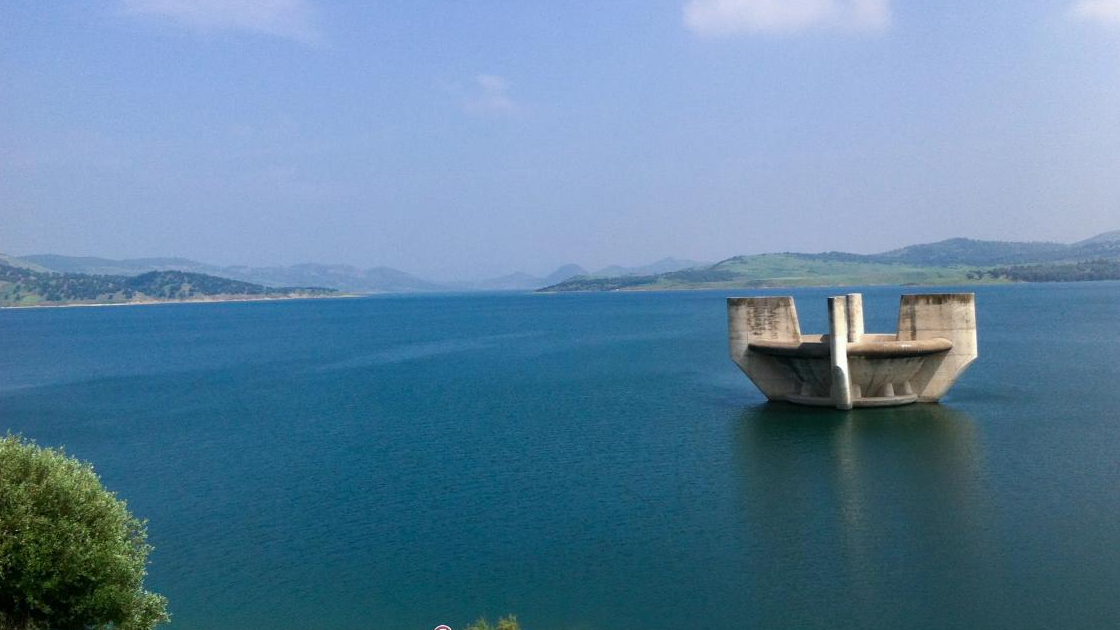
The Ministry of Equipment and Water is taking a new step in the modernization of the Oued El Makhazine Dam.
The Directorate of Hydraulic Developments has just launched a call for tenders for the realization of an upgrade study of this strategic structure, the largest dam in the north of the country, for an amount of 7 million dirhams (MDH).
Commissioned in 1978, this structure, which extends over nearly 28 km, plays a major role in securing water resources. It also ensures flood protection, irrigation of the Loukkos perimeters, drinking water supply, as well as energy production.
Spanning twelve months, the study is structured around four missions. The first will consist of carrying out a complete diagnosis of the dam and its ancillary structures in order to assess their safety level and identify gaps with respect to regulatory requirements.
It will also involve analyzing the vulnerabilities of the infrastructure, as well as its level of flood protection.
The second mission will be devoted to the development and evaluation of several upgrade scenarios. The different variants will be analyzed from technical, environmental, and economic angles in order to select the most relevant solution to reinforce safety, improve hydraulic performance, and ensure the longevity of the dam.
Once this step is completed, the third phase will focus on the development of detailed preliminary design studies. These will cover, in particular, geological, geotechnical, hydraulic, and electromechanical aspects, as well as civil engineering works, drainage, injection, and monitoring systems of the structure.
Finally, the last mission will be devoted to the preparation of tender documents for the companies called upon to carry out the future works. These will concern new civil engineering structures, the rehabilitation of existing infrastructures, as well as the deployment of electromechanical and hydromechanical equipment.