Kingdom
Morocco–Nigeria Gas Pipeline: Benkhadra Promotes the Project in Washington
The Director General of ONHYM, heading a delegation, presented the progress of the African Atlantic Gas Pipeline project, as well as Morocco’s strategic positioning in the energy and critical minerals sectors.

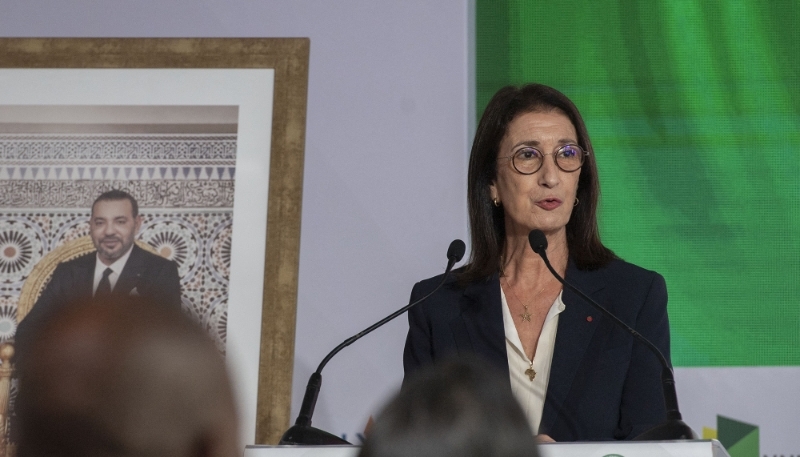
As part of a series of strategic meetings held this week in Washington, a delegation led by the Director General of the National Office of Hydrocarbons and Mines (ONHYM), Amina Benkhadra, held high‑level discussions aimed at promoting the Nigeria–Morocco African Atlantic Gas Pipeline (AAGP) project and Morocco’s strategic positioning in the energy and critical minerals sectors.
These meetings with US institutions, international organisations, and leading think tanks included, in particular, the US Department of Energy, the Department of State, the White House National Security Council, the World Bank Group, the Mission 300 programme, the US International Development Finance Corporation, the Center for Strategic and International Studies (CSIS), the Stimson Center, and the Atlantic Council – Global Energy Center.
The exchanges highlighted the strategic importance of the African Atlantic Gas Pipeline project, born of the forward‑looking Vision of His Majesty King Mohammed VI and the President of Nigeria, and one of the most ambitious structuring energy projects on the African continent, both in terms of its regional scope and its potential for economic and energy integration.
On this occasion, ONHYM presented the state of progress of the project, notably marked by the completion of feasibility studies and the Front End Engineering Design (FEED), the adoption of the terms of the Intergovernmental Agreement (IGA)—the treaty governing the pipeline’s governance by ECOWAS member states—in anticipation of its forthcoming signature by all Heads of State of the countries crossed, as well as ongoing work related to institutional structuring, a necessary prerequisite for preparing the Final Investment Decision (FID).
Discussions also focused on the establishment of the Project Company, which will be responsible for financial structuring, operational development, and coordination of the project’s implementation.
The meetings further highlighted the growing synergies between the energy corridor of the African Atlantic Gas Pipeline and the development of critical and strategic mineral resources, which are essential to the value chains of the energy transition.
The various institutions and think tanks consulted expressed strong interest in the AAGP gas pipeline project and in Morocco’s positioning in the energy and mining sectors, underscoring the transformative potential of these initiatives and their increasing importance in new international geo‑economic and geostrategic dynamics, according to an ONHYM press release.
Ultimately, the African Atlantic Gas Pipeline will connect West Africa’s gas resources to Morocco, through a strategic energy corridor linking the Atlantic space of the African continent to Europe, thereby fostering regional integration, energy access, industrialisation of the continent, and diversification of international energy supplies.