Business
Morocco is Cultivating Its Export Success
With 2.4 million tons exported by the end of July, Morocco posts a 19% annual increase. Products once considered secondary, such as asparagus, cucumbers, or carrots, are now proving their potential.

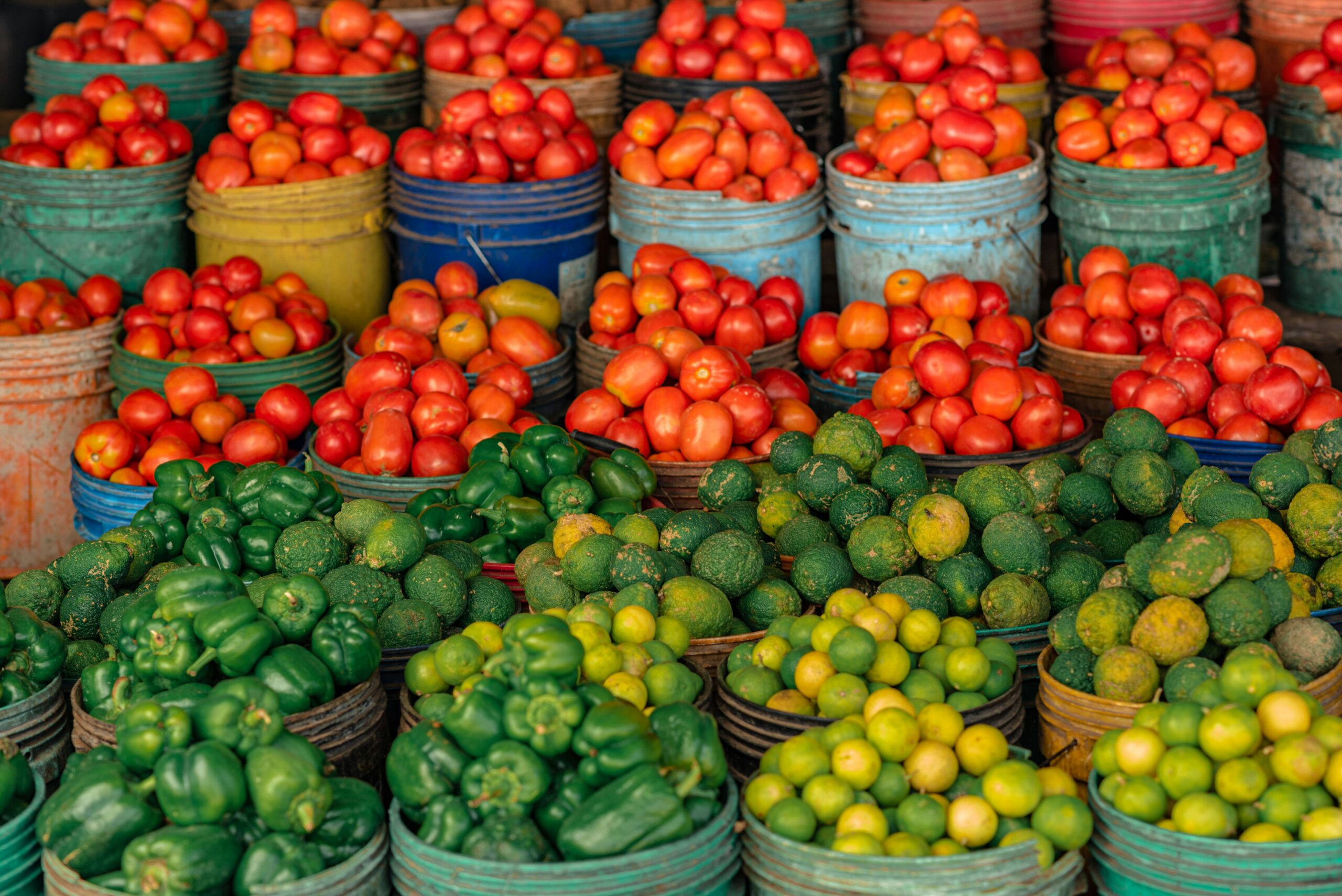
The Kingdom is increasingly asserting itself on the global agricultural stage. Moroccan products are securing international markets across the globe. It is no longer just about tomatoes, citrus fruits, or berries.
The distribution of Moroccan agricultural production has expanded to other products, such as carrots, cucumbers, and asparagus.
Even as the country faces persistent challenges, particularly climatic ones—including successive droughts and floods—it has managed to sustain steady production and maintain its position as a key supplier of fruits and vegetables to numerous nations.
This success stems largely from an innovative agricultural strategy advocating sustainability and the adoption of best practices, incorporating precision irrigation, smart farming, and soil management.
By the end of July this year, agricultural exports reached 2.4 million tons, marking a 19% increase compared to the same period in 2024, according to data from the Ministry of Agriculture.
Fresh fruits and vegetables accounted for 1.6 million tons, representing 67% of total exports—up from approximately 1.4 million tons during the same period in 2024, a 17% growth.
Within this framework, three categories of Moroccan agricultural products stand out: citrus fruits (397,000 tons exported, up 44%), vegetables (1.2 million tons, up 11%), and processed agricultural goods (805,000 tons, up 24%).
Carrots: Five-Year Export Record
Among exported vegetable products, Morocco is gaining momentum. Take carrots, for example: exports hit a new record in 2024 for the fifth consecutive year, reaching 68,000 tons—a 27% average annual growth.
The export value stood at 200 million dirhams (MAD). Morocco has solidified its role as a major regional supplier, with nearly 90% of volumes destined for West Africa.
Mauritania remains the top importer, accounting for 47.5% of Moroccan exports in 2024, followed by Senegal (25.3%) and Burkina Faso (11%).
Other emerging markets include Mali and Ivory Coast, with 6.2% and 5.2% of exports, respectively. Cucumbers tell a similar story.
For six consecutive agricultural seasons, cucumber exports have risen steadily, averaging 32% annual growth. In 2024, 28,000 tons were sold, valued at 300 million MAD. The trend continued through July, with 18,000 tons exported.
Spain and the UK remain primary buyers, though countries like Italy and the Netherlands are emerging with growing—albeit modest—volumes.
This performance reflects the sector’s efficiency, improved farming techniques, and mastery of export strategy.
Morocco has diversified its exports so significantly that even historically marginal products are gaining traction. Asparagus, for instance, is emerging as a promising high-potential crop.
Between July 2024 and May 2025, the Kingdom sold 968,000 tons of asparagus, worth $5.6 million—a 47% increase from the previous season and a 70% average growth over the past five years.
Market Diversification
While Spain, Belgium, France, and the UK remain traditional destinations for Moroccan asparagus, Morocco has expanded shipments to new markets this season, including the UAE, Canada, Saudi Arabia, and Turkey.
The UAE, notably, broke into the top three importers within its first year of sourcing Moroccan asparagus.
Though these agricultural products continue their global market rise, they still lag behind staples like tomatoes or berries. For instance, Morocco climbed from the 7th to the 4th largest global exporter of berries (e.g., blueberries) in 2024, rivaling Spain and Chile for the position.
Exports reached 69,000 tons in 2024 and 67,000 tons by July this year, generating revenues of 4.1 billion dirhams (BMAD) and 8.5 billion dirhams (BMAD), respectively.
This reflects a 43% average annual growth over 15 years, driven by favorable agro-climatic conditions, expansion into new production zones like Dakhla and the Atlas regions, and high crop yields.
Regulatory Hurdles Overcome with Expertise
While Morocco has cemented its role as a major global supplier of fruits and vegetables, it faces persistent day-to-day challenges in complying with evolving import regulations across target markets.
Packaging, labeling, pesticide use, certifications—these ever-shifting requirements demand constant adaptation. Moroccan products frequently undergo stringent inspections in Spain, France, and the Netherlands.
To date, no country has rejected Moroccan shipments. This underscores the effective collaboration between the Ministry of Agriculture, ONSSA (National Office of Food Safety), and Morocco Foodex in equipping farmers with the tools and guidance to meet international standards.