International
Morocco Extends its Partnership With the EU for Research and Innovation in the Mediterranean
Under this agreement, Morocco will contribute €6.6 million to research and innovation in the Mediterranean region (PRIMA) for the 2025–2027 period.

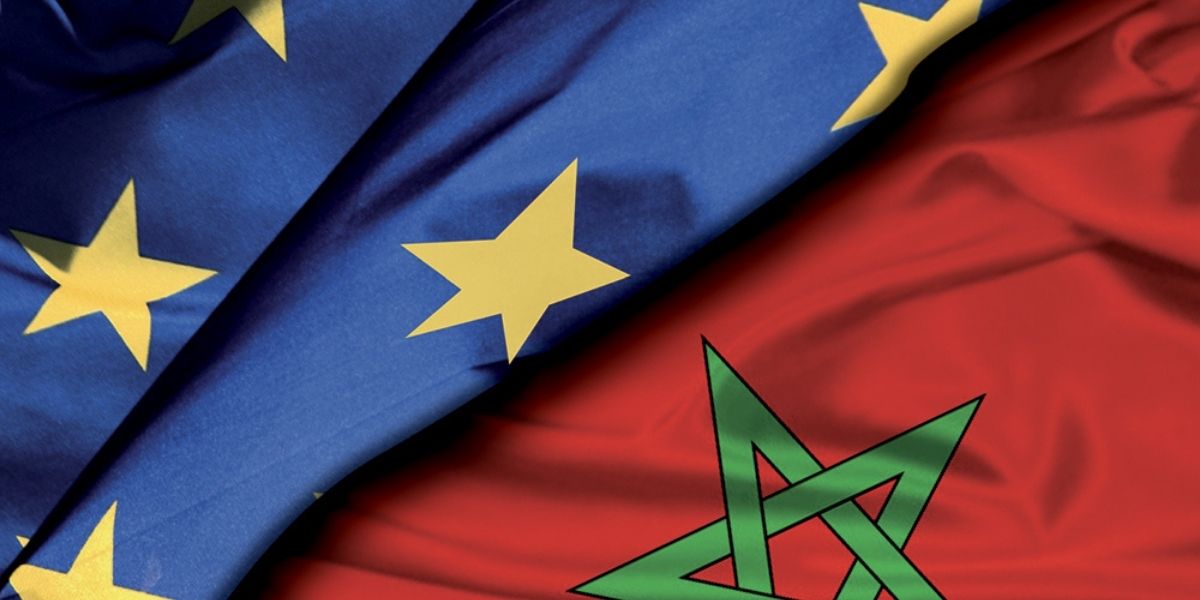
Morocco and the European Union (EU) signed an agreement on Friday in Brussels extending the Kingdom’s participation in the Partnership for Research and Innovation in the Mediterranean Area (PRIMA) for the 2025–2027 period.
The agreement, under which Morocco will contribute €6.6 million over this period, was signed by Morocco’s Ambassador to the EU, Ahmed Reda Chami, and the European Commission’s Director-General for Research and Innovation, Marc Lemaître, in the presence of the Minister of Higher Education, Scientific Research and Innovation, Azzedine El Midaoui, and the European Commissioner for Startups, Research and Innovation, Ekaterina Zaharieva.
The signing was preceded by a bilateral meeting between El Midaoui and Zaharieva, focused on cooperation between Morocco and the EU in the field of research and innovation.
PRIMA is the largest research and innovation initiative dedicated to the Mediterranean region. The program supports collaborative projects that address major challenges such as water scarcity, sustainable agriculture, and the resilience of food systems.
Through PRIMA, research institutions, universities, start-ups, and innovators are encouraged to collaborate across borders, thereby promoting knowledge exchange and the development of concrete solutions to the Mediterranean’s shared challenges.
In a speech on this occasion, El Midaoui stated that this agreement fully aligns with the dynamic of privileged cooperation and strategic partnership between Morocco and the European Union, particularly in the areas of scientific research, innovation, and sustainable development. He noted that the signing of this agreement marks an important step in strengthening scientific cooperation between the two parties, as well as with all partner countries in the PRIMA program.
This agreement will enable universities and higher education institutions, both public and private, as well as foundations and companies in Morocco, to fully participate in the program, he added, noting that Morocco’s financial contribution reflects the Kingdom’s ongoing commitment to Euro-Mediterranean scientific cooperation.
Since the program’s launch in 2018, Morocco has participated in 152 research projects funded by PRIMA, out of a total of 304 projects carried out by the 20 partner countries, in strategic areas such as sustainable agriculture, integrated water management, and food security, the minister specified. He added that these projects have received total funding of €28.4 million, including nearly €13.6 million from the European Commission and almost €15 million from the Kingdom for the benefit of Moroccan partners.
Moreover, Morocco coordinates six PRIMA projects and ranks fifth among the 20 member countries of the partnership, positioning itself as one of the top-performing countries on the southern shore of the Mediterranean, El Midaoui noted. He added that this strong and consistent commitment by the Kingdom, combined with recognized performance, was recently highlighted by the appointment of a Moroccan professor as Director of PRIMA by its governing board.
For her part, Zaharieva emphasized that Morocco is “a committed and active partner within PRIMA since its creation,” noting that Moroccan researchers “play a key role in numerous projects in the Mediterranean.”
“Thanks to this agreement, we will strengthen our cooperation to address shared challenges related to water, agriculture, food systems, and climate resilience,” the European official said.
“Over the years, Morocco has played an active role in regional scientific cooperation and has consistently strengthened its ties with European research frameworks,” the European Commission stated in a press release, adding that the continuation of the Kingdom’s participation in PRIMA will allow Moroccan researchers and institutions to access new funding opportunities, capacity-building initiatives, and international research partnerships.
The agreement will also contribute to the broader priorities of EU–Morocco cooperation, particularly support for youth, strengthening innovation ecosystems, and promoting entrepreneurship, the European executive added.