International
Morocco–Croatia: Two Complementary Economies
If there is a proven complementarity between the two economies, the challenge—and also the opportunity—lies in turning that complementarity into integrated projects, tangible investments, and lasting partnerships that create value and jobs for both partner countries.

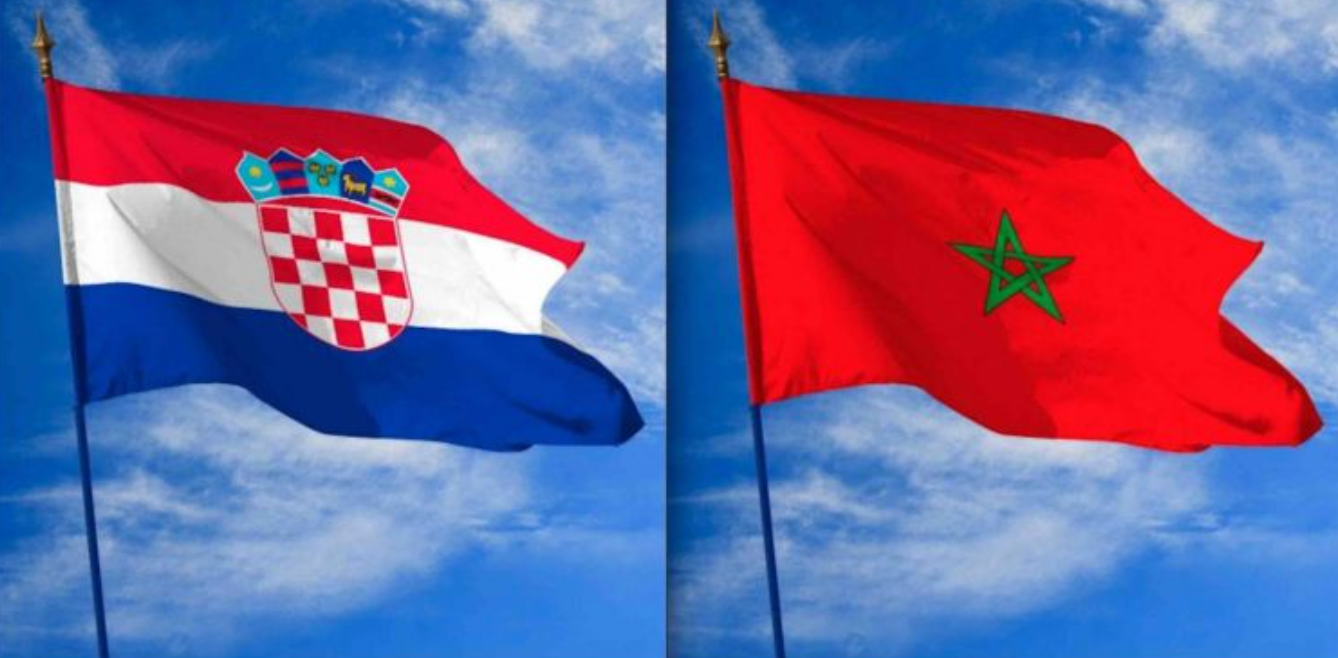
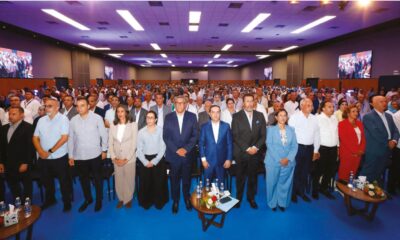
The General Confederation of Moroccan Enterprises (CGEM) welcomed, on Wednesday in Casablanca, a delegation of entrepreneurs from the Croatian Chamber of Economy to identify concrete investment and partnership opportunities in high-potential sectors.
This meeting, which reflects the shared desire to strengthen economic ties between Morocco and Croatia and to inject new momentum into bilateral cooperation, highlighted the complementarity of the two economies as well as prospects for collaboration in the energy transition, tourism development, the pharmaceutical industry, and technological innovation.
Speaking on the occasion, CGEM Vice President General Mehdi Tazi emphasized that the visit of the Croatian delegation reflects the ambition to strengthen dialogue between the private sectors of Morocco and Croatia in order to build trust and explore new avenues for economic and trade cooperation, noting that the two countries share a vision based on openness and sustainable growth.
“Our economies are complementary. The challenge—but also the opportunity—is to turn this complementarity into integrated projects, concrete investments, and lasting partnerships that create value and jobs for our two countries,” said Mr. Tazi.
He also noted that Croatia, located at the crossroads of Central Europe, Southeast Europe, and the Mediterranean, plays a strategic role as a regional gateway.
For his part, the Vice President of the Croatian Chamber of Economy, Tomislav Radoš, welcomed the positive momentum in bilateral cooperation relations.
According to him, this economic meeting will help accelerate that momentum and move to a new stage of partnership.
Welcoming the significant increase in the number of Moroccan tourists visiting Croatia, Mr. Radoš said that the two countries’ shared potential goes far beyond the tourism sector alone, extending in particular to energy and logistics, with a special emphasis on sustainability, modern technologies, and infrastructure development.
“Our delegation includes more than fifteen Croatian companies, notably from the wood industry, the pharmaceutical industry, tourism, and trade,” he specified, considering that Morocco can serve as a gateway for Croatian companies to the African market, and Croatia can facilitate Moroccan companies’ access to Central and Southern European markets.
This meeting, held notably in the presence of Croatia’s Ambassador Extraordinary and Plenipotentiary to Morocco, Jasna Mileta, was marked by presentations on investment opportunities and the strengths of Morocco’s energy and tourism sectors, as well as Croatia’s business climate.