Kingdom
Mobility: Gearing up to carry African enthusiasm
From RAM to ONCF, through urban networks, an entire transport ecosystem is gearing up to carry African enthusiasm, connect host cities, and offer fans a seamless experience.

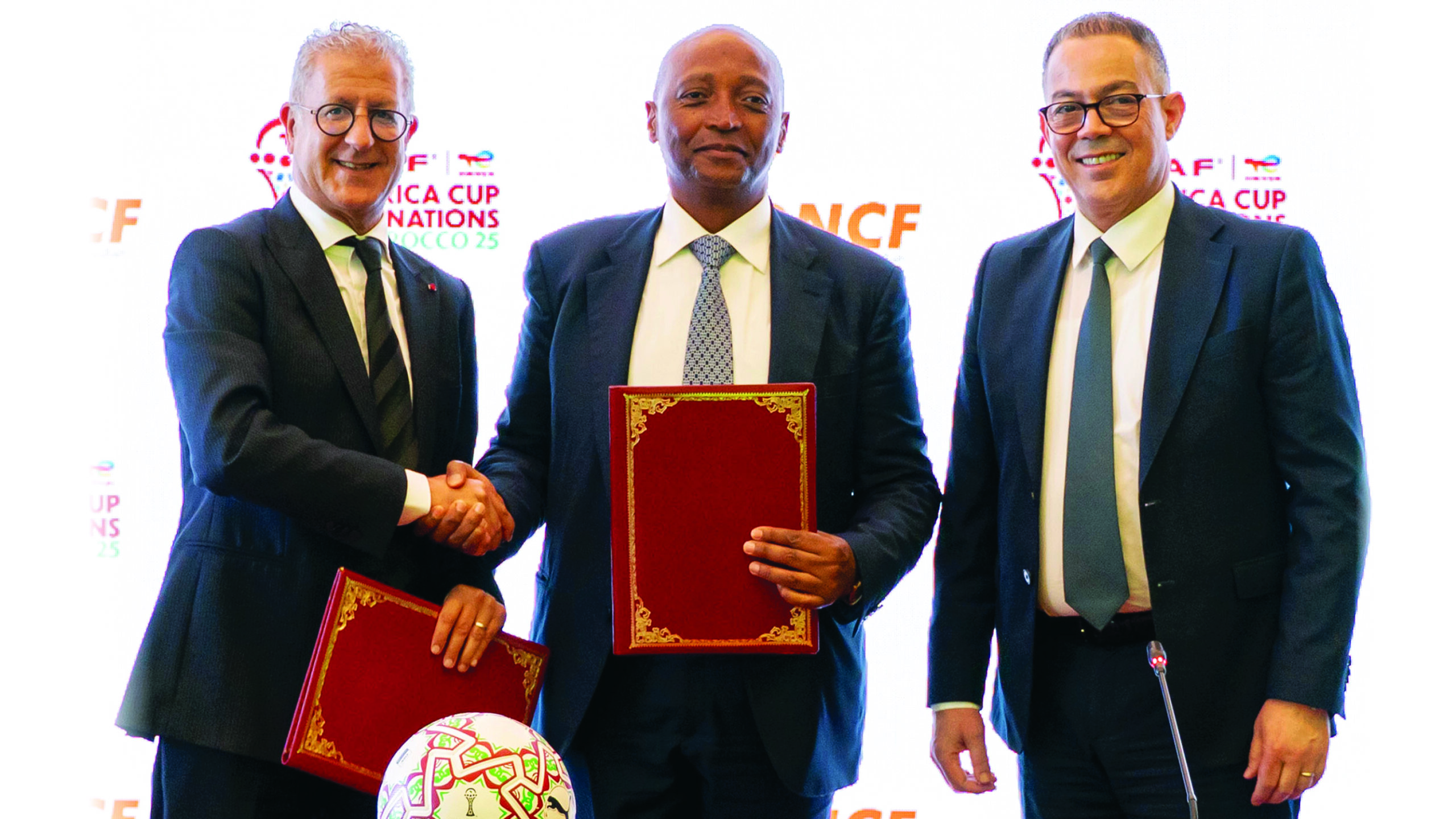
As the Africa Cup of Nations approaches, Morocco is transforming into a true hub of football passion. Behind the scenes, two key players in national mobility, Royal Air Maroc and the National Railways Office (ONCF), are fine-tuning their plans to welcome an unprecedented influx of supporters from the continent and beyond.
Between calibrated announcements for air travel and promising signals on the railway side, the country is organizing to provide travel worthy of the event.
In the skies, RAM has already set the tone. Having become the “official global partner” of CAF, the national carrier is preparing to deploy a large-scale plan befitting major international competitions.
On the agenda: more than 660 additional flights just for the period of the African competition. The choice is clear: avoid bottlenecks, streamline arrivals, and facilitate fans’ access to the Kingdom.
But the most notable announcement is undoubtedly the establishment of fixed and affordable fares from several African capitals. An initiative designed to encourage as many supporters as possible to make the trip, while reinforcing Casablanca’s role as an essential air platform between Africa, Europe, and America.
For example, a round-trip flight from Dakar is 4,500 DH, 4,000 DH from Abidjan, or 5,900 DH from Kinshasa, Yaoundé, Cotonou, or Malabo.
A strategy that involves logistics as much as diplomacy, and which confirms Morocco’s desire to make “its” Africa Cup of Nations a continental showcase.
The railway operator advances its pawns
On the rails, ONCF is also preparing its match. A major player in mobility in Morocco, the Office has also just been designated an official sponsor of the CAN TotalEnergies Morocco 2025 (as of December 10th).
This will allow it to put its entire network and expertise at the service of the event. Objective: to offer a fast and secure travel experience between the different host cities (Casablanca, Rabat, Agadir, Marrakech, Fès, and Tangier) and allow millions of supporters to experience the Africa Cup of Nations under optimal conditions.
The railway operator recently tested special trains for supporters during Atlas Lions matches. An acknowledged trial run, designed to test the network’s capabilities and anticipate future needs.
And ONCF is no stranger to challenges: every year, peak periods (summer, Eid, and major events) give rise to action plans combining increased services, additional rolling stock, and temporary offers. Everything indicates that a similar, likely amplified, plan will accompany the Africa Cup of Nations.
What remains is to unveil the complete score: train frequency, priority corridors, enhanced Al Boraq capacity, potential fare offers. For now, the public awaits the technical specifications.
A country under high logistical intensity
Beyond the skies and rails, the success of the Africa Cup of Nations will also be played out in the streets of the host cities. Aware that the “last kilometer” is often the most sensitive during major events, local authorities and urban mobility operators are preparing a specific plan.
Reinforcement of urban and interurban bus fleets, extended operating hours on match days, creation of special lines connecting stations, airports, fan zones, and stadiums: everything is designed to absorb peak attendance without clogging city centers.
Taxis, an essential link in daily transport, will also likely be mobilized through temporary agreements, enhanced regulation, and, in some cities, dedicated pickup zones around sports venues.
Tourist coaches and long-distance buses will complement the plan, particularly for group travel of supporters between nearby cities.
In the background, digitization with transport apps, real-time passenger information, and multilingual signage will play a key role in guiding visitors.
From plane to train, bus to taxi, CAN 2025 is shaping up to be a real-life test of Morocco’s complete mobility chain.