Business
Marhaba 2025: When the Numbers Debunk Inaccuracies
Badly aimed, certain spotlights tried to “convince” that fewer Moroccan expatriates had returned home. They even attempted to pose as oracles of a supposed “disengagement.” Reality outsmarted the “viral hype.” Here’s why.

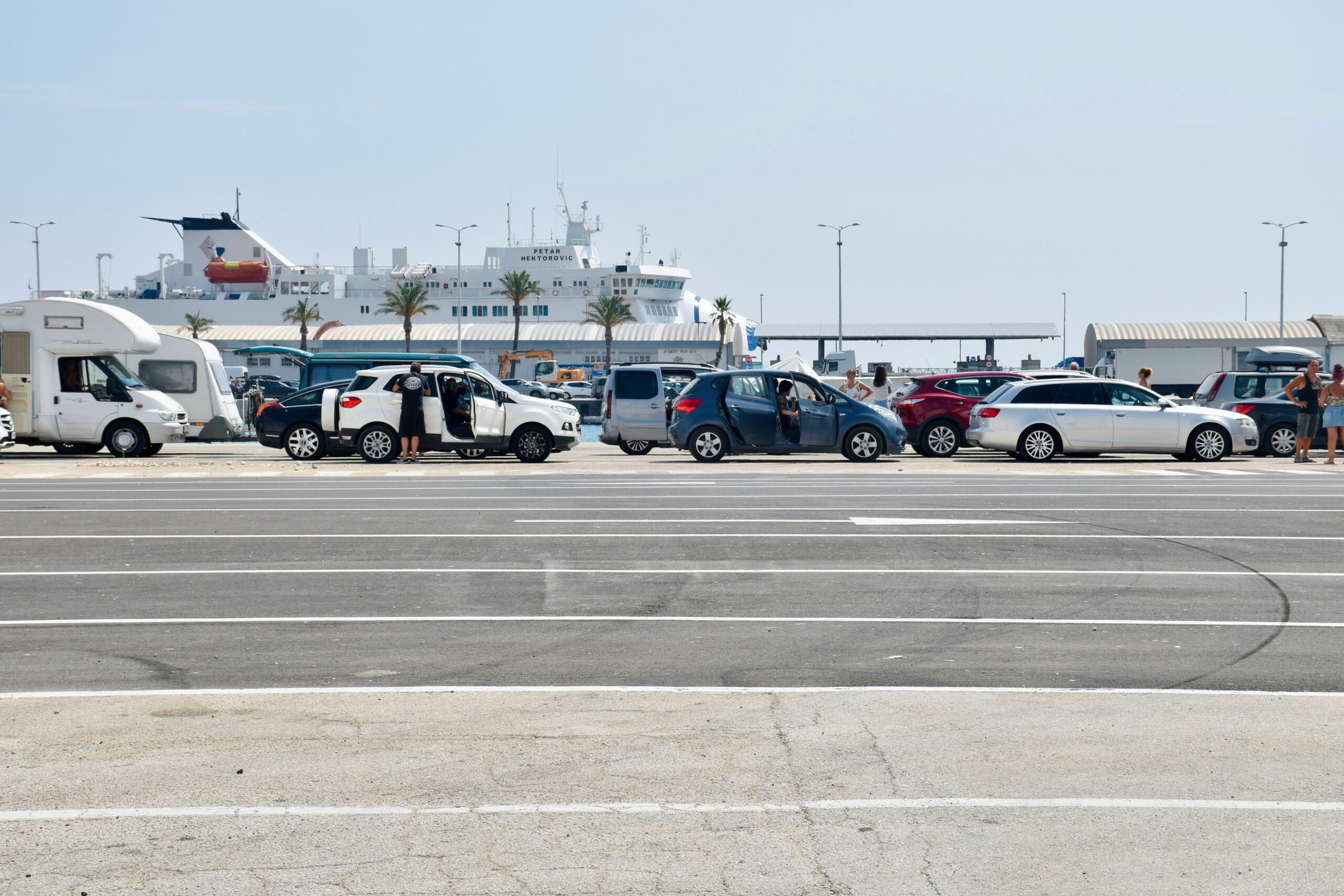
No, there has been no decline in Moroccans residing abroad returning to the Kingdom since the start of Operation Marhaba 2025. Contrary to claims circulating on social media, their numbers are, in fact, steadily rising.
According to official statistics, between June 10 and August 4, no fewer than 2,789,197 members of the Moroccan diaspora returned to the country. This marks an increase of 10.37% compared to the same period last year.
A similar upward trend is reflected in vehicles entering national territory. During this timeframe, 338,360 cars crossed into Morocco, representing a 3.74% rise year-on-year.
Breaking down entry points, Tanger Med Port—the primary gateway—takes the lead, welcoming 555,753 members of the Moroccan diaspora and 175,808 vehicles. This accounts for 36% of all overseas Moroccans who traveled by sea. Meanwhile, 320,395 individuals opted for air travel, landing at Casablanca’s Mohammed V Airport, which constitutes 25% of total air passengers.
Statistics from Spain further confirm this growth. Between June 15 and August 1, Spanish authorities reported that 1.2 million Moroccans transited through maritime routes connecting the Iberian Peninsula to Morocco—a 3.2% increase compared to the same period in 2024.
These numbers silence the loudmouths who “hurl” false claims online, deploying their “heavy rhetorical firepower” on social media—even going as far as alleging a supposed “massive disengagement” among Moroccan expatriates (MRE).
As their “explanatory argument,” some claim that services are inaccessible, transit fees are exorbitant, plane tickets “cost an arm and a leg,” and bills at Moroccan destinations are “steeper than anywhere else.”
This barrage of claims aims to prop up the idea that it’s better to go elsewhere than visit Morocco. In short, Morocco—a destination whose success has irked certain parties in recent years—is framed as “costly at every turn.”
An Anti-Morocco Destination Campaign
Upon closer inspection, this is undeniably a “smear campaign” in disguise. Its aim isn’t merely “informative”—as seen in the scanning and sharing of bills online—but stretches far beyond.
This is a fundamentally doomed attempt to “dissuade” Moroccan expatriates (MREs) who haven’t yet returned from making the trip.
The catch, which isn’t new, is that some thrive on amplifying negativity. They indiscriminately spread anything critical that crosses their social media feeds.
No filter. No nuance. Worse, one or two videos become gospel, fueling blind extrapolation.
A prime example? The viral post by a blue-spectacled woman declaring she’d “decided not to return to Morocco.” Shared dozens of times, it falsely implied a broader trend.
Another pitfall: Even analysts have fallen into the trap. As one societal expert notes—a phenomenon not unique to Morocco—“sharing negativity is baked into social media’s DNA.”
The same crowd gleefully pounces on every “unflattering” post about Morocco. Even petty politicians lose credibility, wrongly believing that “riding these repetitive outrage waves counts as a political stance.” Newsflash: It’s a flop. Should’ve zapped that idea.
Beyond this, growing numbers think they can “stand out” by smearing Morocco. But this isn’t just about “emotion.” Many now monetize the trend, convinced that “more clicks = more cash.”
So they dive in headfirst. Result? They spiral, clinging to half-truths that inevitably collide with facts. Reality—especially when backed by data—is stubborn as hell!
This year, brace for record-breaking numbers during the Africa Cup of Nations (AFCON). Morocco’s appeal as a destination will undoubtedly shatter expectations.
Paradigm Shift
Though the number of Moroccans residing abroad has risen steadily in recent years, it remains instructive to examine shifts in their attitudes toward “returning to the motherland.”
At least two trends stand out here. First, unlike their parents and grandparents, younger generations are breaking from the tradition of seasonal family influxes.
Travel is no longer strictly seasonal. In fact, many now visit Morocco multiple times a year, and their numbers significantly impact annual national tourism statistics.
Some estimates suggest a 50/50 split between domestic and foreign tourists. Furthermore, this paradigm shift also includes older-generation MREs (Moroccans Residing Abroad) who increasingly opt for stays during religious occasions—Ramadan being a prime example.