Kingdom
March 8, 2026 – Women’s Rights: An Essential Condition for Ending HIV
The fight against HIV cannot be separated from the promotion of women’s rights, their autonomy, and their effective access to sexual and reproductive health.

On the occasion of International Women’s Rights Day, the Association for the Fight Against AIDS (ALCS) recalls that equality between women and men is a decisive lever for accelerating the end of the HIV epidemic and guaranteeing the right to health for all.
Despite major scientific advances that now make it possible to live with HIV and prevent its transmission through treatments and modern prevention tools, women and girls remain exposed to specific vulnerabilities, the same source states in a press release.
Gender inequalities, gender-based violence, as well as persistent barriers to access to information, testing, and health services continue to fuel the epidemic in Morocco as well as globally.
The fight against HIV therefore cannot be separated from the promotion of women’s rights, their autonomy, and their effective access to sexual and reproductive health.
Strengthening the national response to HIV requires placing women’s rights, agency, and decision-making power at the heart of public health policies.
Women at the heart of the community response
A historic actor in the community response to HIV in Morocco, ALCS has been developing integrated programs dedicated to women for nearly forty years, combining prevention, testing, psychosocial support, and actions to combat gender-based violence.
These community-based approaches help reduce barriers to accessing health services, combat stigma, and strengthen trust between communities and the health system. Community workers, therapeutic and social mediators, activists, and women living with HIV engaged within ALCS today constitute an essential pillar of the national response.
“Ending HIV necessarily involves strengthening women’s rights. When women can freely access prevention, care, and information, the entire society moves forward toward greater health and greater justice,” emphasizes Prof. Mehdi Karkouri, President of ALCS.
Biomedical innovation serving women’s autonomy
ALCS welcomes the upcoming introduction in Morocco of long-acting injectable pre-exposure prophylaxis (PrEP), the result of collective advocacy carried out in a coordinated manner by institutional and civil society actors. PrEP is a medication-based prevention tool that prevents the transmission of HIV. Until now, it has mainly been available in oral form. With the injectable form, administered subcutaneously every six months, this major innovation will offer effective, discreet protection that is better suited to the social and relational realities faced by some women.
At the same time, ALCS continues to expand access to oral PrEP and to new prevention strategies, notably the vaginal ring, while strengthening its integrated programs combining HIV prevention and the fight against gender-based violence. This comprehensive approach recognizes the close link between violence, structural inequalities, and increased vulnerability to HIV.
Dr. Lahoucine Ouarsas, Director of Programs at ALCS, emphasizes:
“International data demonstrate that effective access for women to education, social protection, and health services significantly reduces new infections. Investing in women’s rights therefore constitutes a major public health priority.”
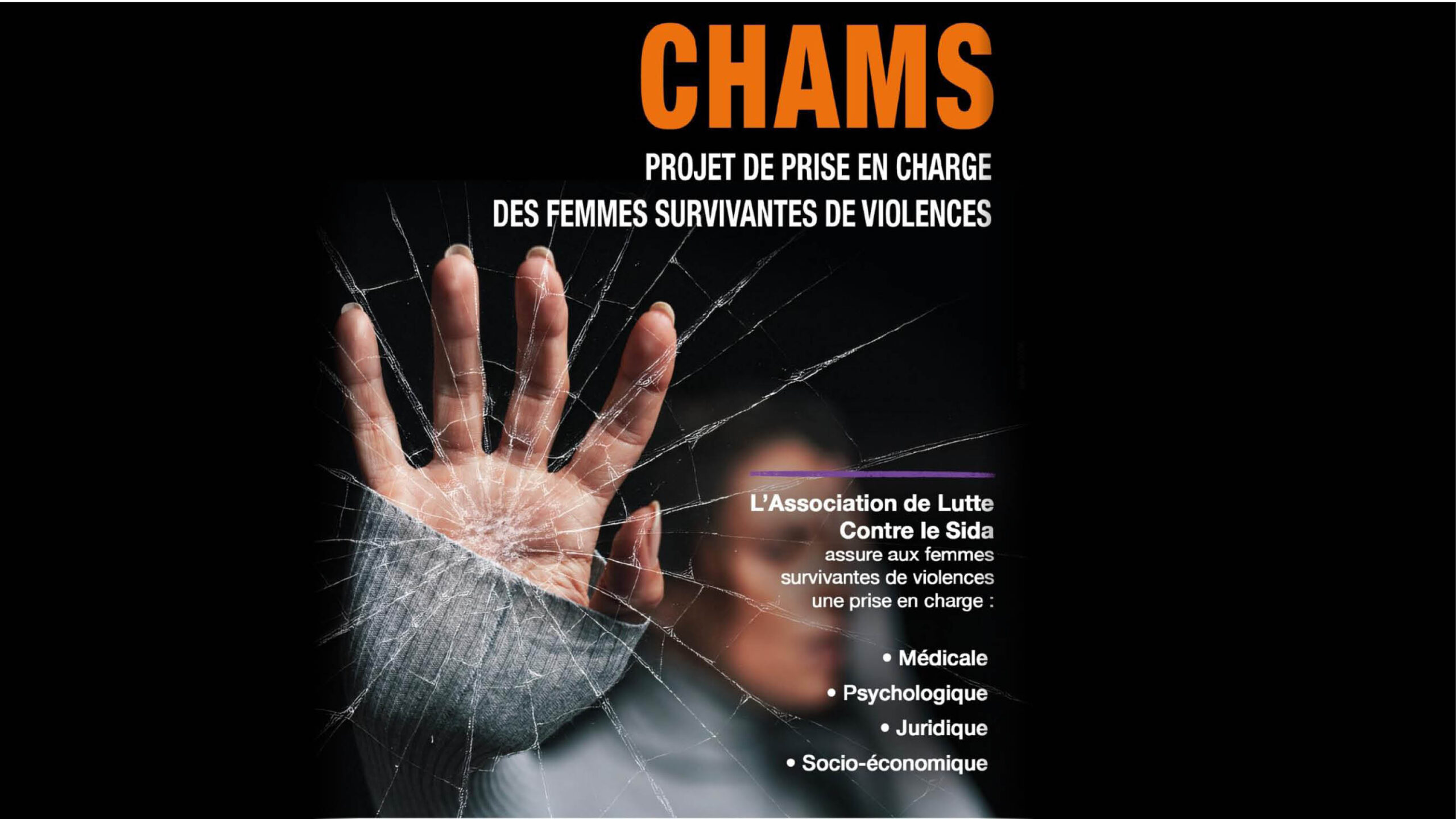
Within this framework, ALCS is implementing the Chams project, dedicated to the prevention and management of gender-based violence among vulnerable women, whether living with HIV or not. Implemented within three sexual and reproductive health clinics located in HIV vulnerability corridors (the regions of Souss-Massa, Marrakech-Safi, and Tanger-Tétouan-Al Hoceima), this program is part of the association’s combined prevention strategy.
The project aims to simultaneously strengthen the knowledge, agency, and protection capacity of beneficiaries in the face of gender-based violence and HIV, two closely linked realities that reinforce each other and sustain a cycle of vulnerability.
A call for collective mobilization
On the occasion of March 8, Prof. Sanaa Belabbes, Treasurer and Advocacy Lead at ALCS, recalls that the effective guarantee of women’s rights constitutes a major responsibility for public authorities. The Association calls for strengthening gender-sensitive public policies, ensuring equitable access to biomedical innovations, sustainably supporting community-based approaches, and combating all forms of discrimination and violence against women.
Advancing real equality between women and men is not only a matter of justice: it is an essential condition for ending the HIV epidemic. As long as women’s rights are not fully realized, the promise of ending HIV will remain unfinished.