Kingdom
Legislative Elections : What Will Change in 2026
The legal framework governing the next election is underway, with three draft organic laws complementing and amending existing texts.

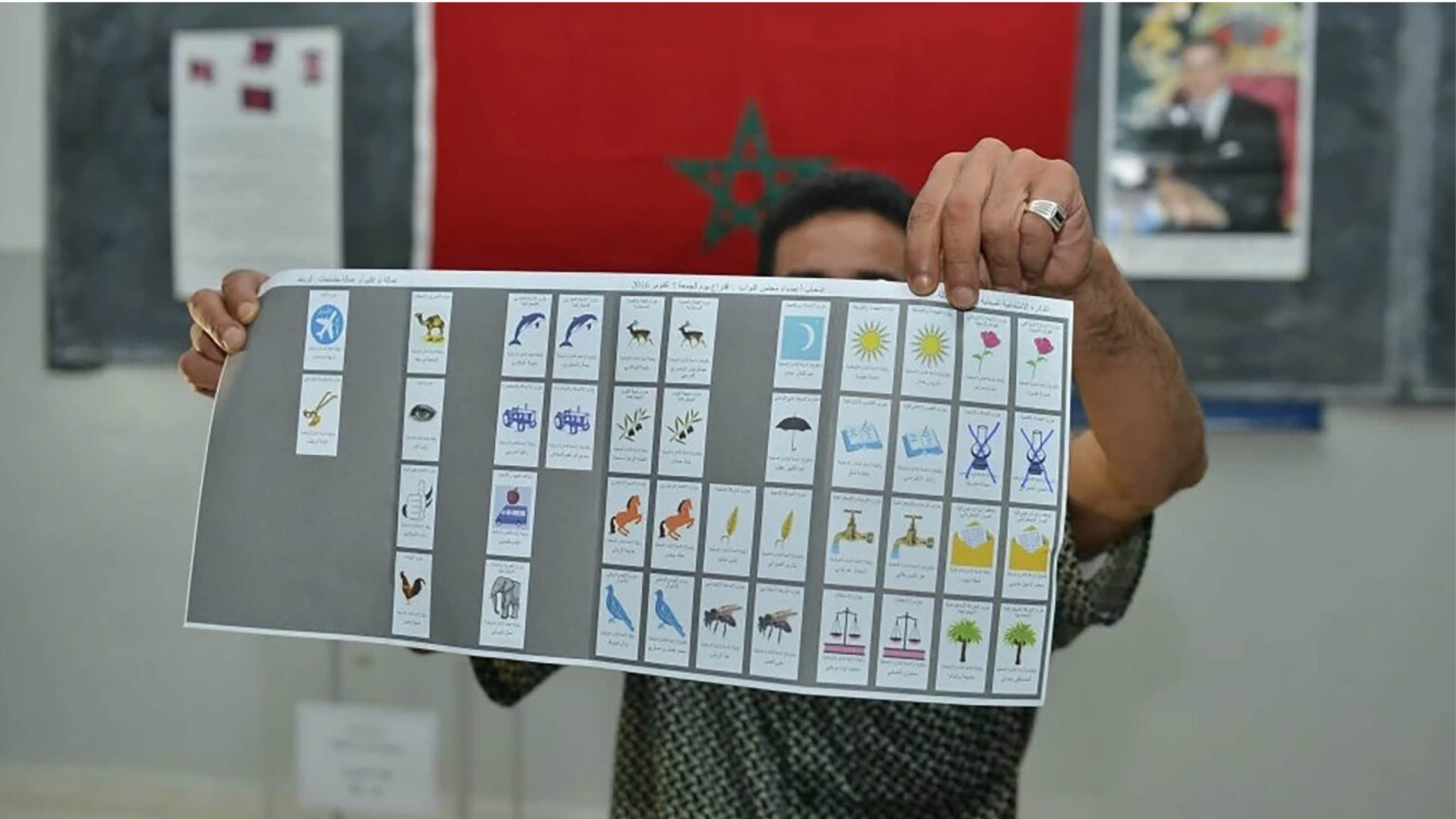
Members of the Interior Commission of the first chamber of Parliament have a full agenda. On Monday, October 27, three draft organic laws related to the upcoming electoral deadlines were submitted by the Chamber’s office, which received them on Friday, October 24.
These are respectively draft law 53-25 relating to the House of Representatives, draft 54-25 concerning political parties, and, last but not least, number 55-25 regarding electoral lists. These three major texts are part of the legal framework for the 2026 elections.
Youth Participation Debate
From the initial announcements, a first “controversial bomb” was triggered: allowing youth under 35 years old who are “non-affiliated” to run as independent candidates in the next elections without party backing.
They will receive state support covering 75% of their campaign expenses. It is no surprise that prominent figures of the “systematic opposition” expressed their “systematic refusal” stance.
The PJD issued an opinion questioning the constitutionality of the approach, while the MP warned of the risk of “weakening political parties” and a new fragmentation of parliamentary representation. The Party of Progress and Socialism argued that regardless of the amount allocated to young independents, it can’t compete with other available funding.
An observer involved in associative and political life said, “Before substantive debates, we are faced with trials of intention.”
This marks only the start of a legislative process whose full content remains to be revealed.
The new proposal results from consultations with political parties who submitted suggestions to the Ministry of Interior for revising the legal framework for the 2026 legislative elections.
Other Dimensions
Beyond these initial disputes, to be resolved by both parliamentary chambers by year’s end, the new legal arsenal aims mainly to strengthen the moralization of political and party life.
Draft law 53-25 concerning the House of Representatives maintains incompatibility between holding a regional council presidency and membership in the House of Representatives, while extending prohibitions to any double presidencies in elected territorial bodies.
The legislator aims to address recurring issues of territorial power concentration, which weakens legislative output, harms parliamentary attendance, and blurs the lines between local interests and national balance.
The law further tightens this legislative framework.
Draft law 54-25 on political parties particularly addresses financial governance, focusing on the transparency of public money use to support party structures.
Among other measures, a party that fails to hold its ordinary congress within four years will not be entitled to state support.
The law does not only impose constraints but also encourages parties to enhance youth and female representation by offering increased support incentives.
This aligns with political parties’ requests to secure greater representation for these two social groups.
Moreover, parties will be allowed to create companies, provided the entire capital is party-owned, and investments are directed towards party activities.
Returns on investments must be reinvested in communication, party newspaper publishing, or printing.
Both this and state support are strictly overseen by the Court of Auditors, requiring political formations to provide proofs for every dirham spent. Modernizing party governance also involves strict accounting practices.
Electoral Lists: Those Barred from Registration
Beginning at the base, to run in elections, one must be registered on electoral lists; this is now more restricted.
To further moralize voting operations, draft organic law amending and complementing law 57-11 expands conditions for electoral list registration.
If adopted, several categories of individuals will be barred from registration and thus candidacy, including those prosecuted for offenses such as breach of confidentiality in public procurement or misuse of privileged information in market transactions.
Persons sentenced to imprisonment—whether custodial, suspended, or over three months for a crime—are also impacted.
The list includes those convicted of theft, fraud, breach of trust, false testimony or document forgery, issuing checks without funds.
Further, persons caught in acts of defamation, treason, attacks on honor, pimping, prostitution, child trafficking, corruption, or drug trafficking are banned.
Also included are those convicted for embezzlement, influence peddling, or crimes affecting public or local financial interests.
The text prohibits those who, to influence voters, use gifts, promises of employment, or advantages during campaigns.
Another barred category is those who threaten voters to boycott the vote or use intimidation or violence.
Despite objections to some of these restrictions, many agree they are logical: How can untrustworthy people seek voters’ trust?
Political Parties, Financing…
Draft organic law on political parties aims to modernize legal frameworks and establish rules to increase women and youth participation while improving party governance.
Special attention is paid to financial management transparency and effective use of public funds.
The Court of Auditors will scrutinize party expenditures, but the law seeks to prevent issues before they occur.
Although some parties oppose allowing under-35 independents to run without party banners, parties can receive more state support if they present more youth and women candidates.
Transparency is mandatory regarding public money usage, and expenditures must be declared to the Court of Auditors.
Unjustified or unreturned funds will be treated as embezzlement and subject to prosecution.
Parliament: Incompatibilities
Draft law 53-25, prepared by the Ministry of Interior, lists incompatibilities with other representative roles.
Membership in the House of Representatives is already incompatible with the presidency of a Regional Council or other elected bodies under certain conditions, including urban communes under a city unit regime, provincial, prefectural, or communal councils.
Article 13 now stipulates incompatibility with multiple presidencies of certain elected bodies such as prefectural or provincial councils, communal councils, district councils, groupings of local authorities, or professional chambers.
This aims to moralize political life and ensure elected officials dedicate themselves fully to their representative duties, improving parliamentary and regional work efficiency.
The goal is to “limit the accumulation of mandates” so deputies focus solely on their parliamentary mission.
The law’s passage is uncertain, and debates will be intense to finalize the formula.
The law might encourage candidates to pre-select the role they intend to fulfill.
The draft law also foresees imprisonment from two to five years and fines from 50,000 to 100,000 dirhams for anyone engaged in spreading rumors or false information that could harm election credibility or transparency.
This includes content distributed on social media, digital platforms, AI tools, or any other channel, likely provoking strong reactions from “virtual activists” and others.
There will be turbulence in the commission.