Kingdom
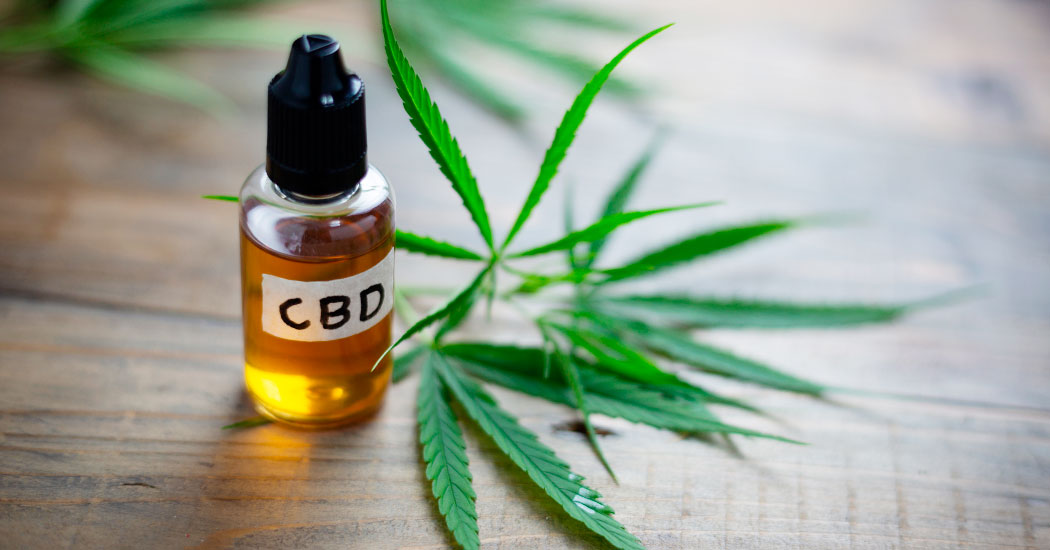
Legal cannabis: 109 CBD-based products manufactured in Morocco
This includes 50 dietary supplements and 50 CBD-based cosmetic products, now available in over 600 sales points across the Kingdom.

The alliance between a diversified therapeutic application, appropriate regulation, and an adapted industry constitutes the foundation for the success of the Moroccan model regarding the regulation of legal cannabis use,” stated Mohamed El Guerrouj, Director General of the National Agency for the Regulation of Cannabis-Related Activities (ANRAC), on Thursday in Casablanca.
Speaking at the opening of a scientific symposium on “Cannabidiol (CBD): Clinical Applications and Therapeutic Prospects in Morocco,” El Guerrouj stated that the major undertaking of regulating legal cannabis in Morocco is progressing “calmly and responsibly,” balancing public health imperatives with economic opportunities.
In this context, El Guerrouj announced that to date, 109 CBD-based products have been manufactured by pharmaceutical companies and authorized operators, registered with the Moroccan Medicines and Health Products Agency and are now available on the national market.
He specified that this includes 50 CBD-based dietary supplements and 50 cosmetic products, currently available in over 600 retail points across the Kingdom, illustrating the progressive and regulated growth of this sector.
For his part, Khalid Sair, the Director General of the Casablanca site of the Mohammed VI Foundation for Science and Health (FM6SS), noted that CBD, long surrounded by negative perceptions, is now establishing itself as a serious, structured, and rapidly evolving field of international scientific research.
He emphasized the profound shift in how cannabis-derived molecules are approached, now considered through a scientific, pharmacological, and therapeutic lens.
The areas of clinical exploration are diverse, he noted, including the management of chronic pain, certain forms of treatment-resistant epilepsy, neurological disorders, supportive oncology, and palliative care.
However, Sair stressed that this evolution must be grounded in solid scientific evidence, rigorous clinical protocols, a clear regulatory framework, and adequate training for healthcare professionals, calling on relevant institutions to fully play their role in this regard.
For his part, Muhammadin Boubekri, President of the National Council of the Order of Physicians (CNOM), stated that the success of this sector rests on a “unique institutional triad.”
This includes the legality and sovereignty embodied by ANRAC, the academic excellence of the Mohammed VI University of Health Sciences (UM6SS) as the engine for research and training, and the ethical oversight assured by the CNOM.
Boubekri emphasized the Council’s role in framing this medical innovation to ensure ethical standards, best practices, and the protection of both the prescriber and the patient. He stressed the importance of input from learned societies, stating that “science must remain the only guiding principle” in the development of therapeutic cannabis use.
Organized by the UM6SS and the Mohammed VI Center for Research and Innovation (CM6RI), in partnership with ANRAC, the CNOM, and the Moroccan Society of Medical Sciences, this symposium aims to inform and train healthcare professionals, researchers, and pharmaceutical sector stakeholders on the medical, scientific, and regulatory challenges related to the therapeutic use of CBD.
This initiative unfolds within the context of a major advancement in Morocco’s regulation of medical cannabis, paving the way for a regulated integration of its therapeutic applications, while reinforcing the Kingdom’s position among countries that have adopted therapeutic CBD and THC use within a rigorous regulatory framework.
Within this strict legal framework, the Moroccan pharmaceutical industry is now able to produce cannabis-based medications, primarily containing CBD (cannabidiol) and THC (tetrahydrocannabinol), intended to address specific medical needs and prescribed by physicians.
Furthermore, CBD, a non-psychoactive molecule, can also be used in other products like dietary supplements, subject to strict regulatory standards regarding quantity, CBD concentration, and the absence or near-absence of THC, in accordance with the legislation defined by ANRAC.