Influences
Judicial Digitalization: Morocco’s Experience Presented in Angola
The Presidency of the Public Prosecutor’s Office has launched an ambitious digital transformation program, resulting in a strengthened and continuous digital relationship between the Presidency and prosecutors nationwide, enabling the coverage of strategic functions such as judicial statistics recording, detailed case monitoring, and electronic correspondence management.

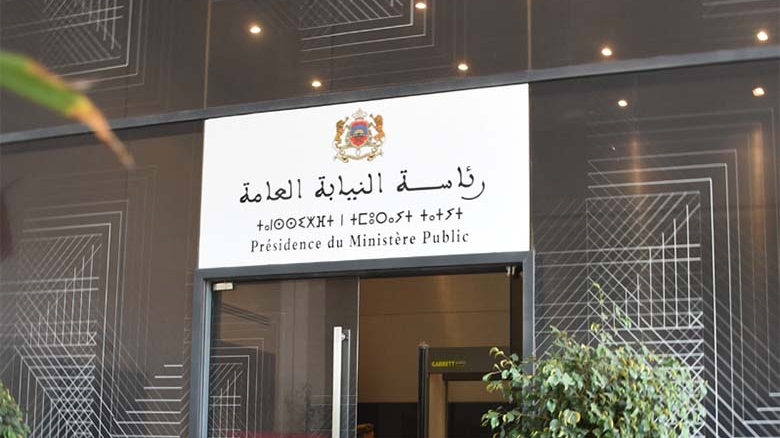
Morocco’s experience in the digitalization of the judicial system was highlighted during a seminar titled “Digital Justice and Technological Innovation in Africa: Emerging Technologies Serving Justice,” organized alongside the 18th Annual Conference and General Assembly of the African Prosecutors Association (APA), held from October 15 to 18 in Benguela, Angola.
During this seminar, Ms. Jamila Sedqi, Attorney General and Advisor to the Presidency of the Public Prosecutor’s Office of the Kingdom of Morocco, provided an overview of the constitutional and institutional context that facilitated a profound digital transformation of Morocco’s judicial system, which notably accelerated after the Covid-19 pandemic, marking a decisive turning point in the dematerialization of justice.
“Since then, Morocco has adopted an ambitious strategy aimed at generalizing electronic procedures, streamlining exchanges, strengthening access to justice, and integrating digital tools into the judicial chain, from filing complaints to enforcing decisions,” recalled Ms. Sedqi, who also serves as the APA focal point.
She emphasized that this approach reflects the Kingdom’s commitment to reconciling technological innovation with respect for the principles of the rule of law, paving the way for a smarter, more efficient, and citizen-centered justice system.
She noted that the Presidency of the Public Prosecutor’s Office has launched an ambitious digital transformation program, resulting in a strengthened and continuous digital relationship between the Presidency and prosecutors nationwide, enabling the coverage of strategic functions such as judicial statistics recording, detailed case monitoring, and electronic correspondence management.
Within this framework, she explained, the electronic registry office project aims to optimize the dematerialized management of correspondence, enhance procedural transparency, and reduce processing times, assuring that this service is gradually being extended to all jurisdictions across the Kingdom after a pilot phase in the prosecutor’s offices of Agadir and Fez.
She also mentioned the establishment, at the level of the High Council of the Judiciary, of a digital platform dedicated to the administrative and professional monitoring of magistrates (appointment, promotion, transfer, training, etc.), while ensuring transparency, traceability, and the security of judges’ personal information.
At the level of the Ministry of Justice, she highlighted the publication, in June 2020, of the Master Plan for the Digital Transformation of Justice, aimed at establishing a modern, open, efficient, and accessible “digital court,” which serves as an instrument for steering, programming, coordinating, and monitoring digital projects.
Ms. Sedqi specified that the digital transformation of justice in Morocco revolves around four main axes: facilitating access to justice through public platforms and virtual spaces for users and professionals; dematerializing judicial procedures by reducing delays and improving the management of document flows and hearings; tele-justice and videoconferencing focused on the generalization of remote hearings; and the dissemination of legal and judicial information through freely accessible portals, open data, and legal intelligence.
The proceedings of this seminar, which was attended by prosecutors and deputy prosecutors from APA member countries, were structured around four panels focusing on “the future of justice: artificial intelligence and its application in the functions of the public prosecutor’s office,” “regional cooperation and artificial intelligence in the context of the public prosecutor’s office in Africa,” and “the introduction of other emerging technologies for the efficiency of the public prosecutor’s office.”
Following the 17th session of the General Assembly of the African Prosecutors Association and the Annual Conference, held in July 2024 in Marrakech, the Kingdom of Morocco, represented by the President of the Public Prosecutor’s Office, was elected to assume the role of Secretary General of the Association.