Kingdom
Hydro-agricultural development: Substantial achievements
The area equipped with localized irrigation, an efficient and water-saving technique, reached 900,000 hectares in 2025, accounting for nearly 55% of irrigated land. The outcome of a high-impact project.

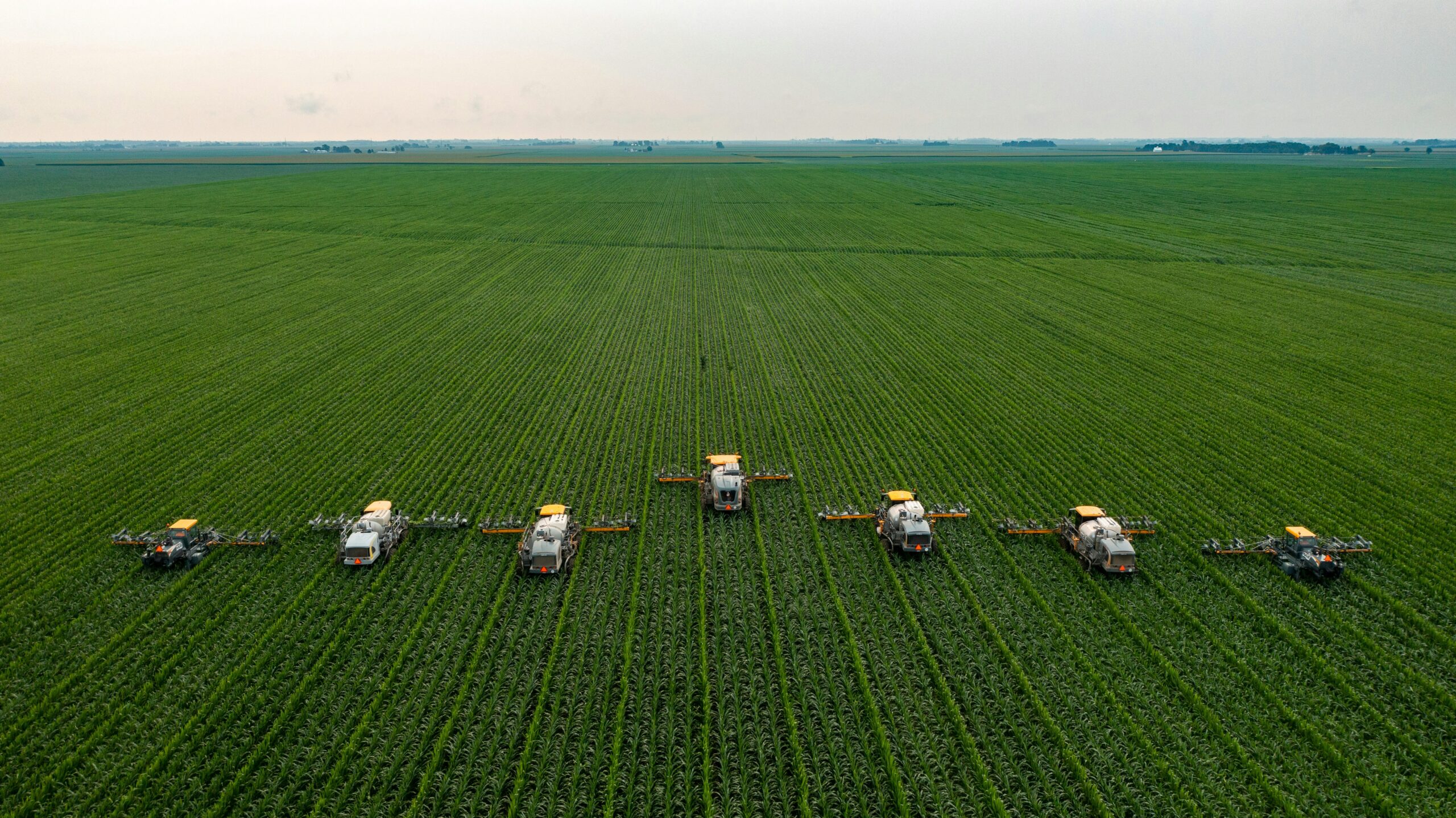
Over recent decades, Morocco has pursued a proactive policy for mobilizing water resources, based on the establishment of major hydraulic infrastructure, including more than 156 large dams and the deployment of an extensive hydro-agricultural development program.
This strategy has led to substantial achievements, reflected in a significant increase in the land developed by the state, which now exceeds one million hectares.
“La Vie éco” questioned the Ministry of Agriculture, Maritime Fisheries, Rural Development, and Water and Forests on the main advancements regarding hydro-agricultural development projects. It is worth noting that successive agricultural strategies, namely the Green Morocco Plan and then the Generation Green 2020-2030 strategy, have made irrigation a central lever for agricultural development and food security.
The Agriculture Department also provided details regarding upcoming hydro-agricultural development projects scheduled for the 2026-2030 period.
An investment effort of 50 billion MAD
Regarding upcoming hydro-agricultural development projects and planned investments for the 2026-2030 period, our source indicates that the forthcoming projects are fully aligned with the Generation Green 2020-2030 strategy. This strategy plans for a significant investment effort of nearly 50 billion MAD, specifically allocated to the development of irrigation and the modernization of hydro-agricultural developments.
The hydro-agricultural development project for the east and south of the Gharb plain, covering 30,000 hectares, and the Ouljet Essoltane project covering an area of 1,800 hectares for the benefit of 200 farmers, are among the structuring projects scheduled under the Generation Green strategy.
In addition, there is the hydro-agricultural development project for the Ait Ziat perimeter covering nearly 17,000 hectares and the Douirane perimeter project in the province of Chichaoua, Marrakech-Safi region, with an estimated irrigated area of 3,600 hectares.
A new vision in the pipeline
The Ministry of Agriculture is clear: regarding hydro-agricultural projects associated with seawater desalination plants, the flagship project embodying the new vision for hydro-agricultural development in Morocco is the creation of the new Dakhla irrigated perimeter, whose water supply is scheduled to commence in 2026.
“This structuring project involves the development of 5,200 hectares, supplied by a seawater desalination plant backed by a wind farm. It constitutes an innovative and integrated model, with multidimensional impacts, perfectly illustrating Morocco’s commitment to promoting the water-energy-food nexus, thereby strengthening the resilience of irrigated agriculture to the effects of climate change,” it was explained in essence.
It is worth noting that the Ministry plans to launch several other structuring hydro-agricultural development projects associated with seawater desalination plants, particularly in the regions of Guelmim-Oued Noun and Souss-Massa.
Strengthening irrigation through seawater desalination in existing irrigated perimeters suffering from structural water deficits, particularly in the Moulouya, Souss-Massa, and Oum Erbia basins, is also being considered.
In summary, these projects are part of a clear strategic objective by 2030: to double the value added created per cubic meter of water mobilized.
Localized irrigation gains ground
According to the Ministry, in terms of concrete achievements, the progress is significant. The area equipped with localized irrigation (an efficient and water-saving technique), which did not exceed 160,000 hectares before 2008, reached 900,000 hectares in 2025, accounting for nearly 55% of the irrigated area nationwide.
Simultaneously, note that several hydro-agricultural development projects have been undertaken, focusing both on modernizing existing irrigation networks and extending irrigated areas through the creation of new perimeters downstream of new dams.
According to our source, these perimeters cover a total area of 124,000 hectares, of which approximately 53,000 hectares are already operational. For example, it is worth citing the perimeters developed during the 2010-2020 period over an area of 33,200 hectares (distributed across several regions of the Kingdom), the first phase of the Saïss plain safeguard project, covering 10,000 hectares, commissioned in the summer of 2025, and the hydro-agricultural development project for the Boudnib plain, associated with the Kaddoussa dam.
It concerns an area of 5,000 hectares for the benefit of approximately 1,420 farms. It is important to specify that these projects have a major socioeconomic impact, in terms of improving agricultural incomes and creating jobs, particularly benefiting small family farms which represent over 80%.
300,000 hectares safeguarded in small and medium-scale hydraulic perimeters
For their part, the irrigation network rehabilitation programs in small and medium-scale hydraulic perimeters, particularly in mountainous and oasis areas, have helped safeguard nearly 300,000 hectares, benefiting approximately 140,000 small farms.
These interventions contributed to preserving the irrigated heritage and traditional hydraulic infrastructure, notably khettaras, against risks linked to water deficits.
They have also, according to the Ministry, promoted improved living conditions for agricultural and rural populations, supported the emergence of an agricultural middle class, and strengthened the resilience of small-scale irrigated agriculture to the effects of climate change.
Furthermore, the first irrigation PPP in Morocco, implemented in the El Guerdane perimeter and operational since 2009 in the Souss-Massa region, has helped safeguard nearly 10,000 hectares of citrus and has recorded proven results in terms of network efficiency, service quality, and infrastructure sustainability.
According to the Agriculture Department, the PPP model also enabled the realization of Morocco’s first experience of agricultural irrigation using seawater desalination, in the Chtouka perimeter.
As a reminder, the Chtouka early-season basin safeguard project, supplied with water in 2022, has, among other things, secured irrigation for nearly 15,000 hectares of high-value-added crops, preserved approximately 9 billion MAD in agricultural investments, and maintained employment across the entire agricultural value chain.
An ecosystem capable of ensuring national self-sufficiency
Regarding Morocco’s expertise in hydro-agricultural development, our source explains that the various agricultural strategies implemented by the country have significantly contributed to the emergence of a true ecosystem around irrigated agriculture, which is now in full development.
Note that this ecosystem covers the entire value chain, from engineering and consultancy to construction, equipment, operation, and maintenance companies.
According to the Ministry of Agriculture, thanks to the experience accumulated in implementing irrigation programs, this ecosystem is now capable of ensuring national self-sufficiency in several areas, including the design and implementation of hydro-agricultural projects, maintenance, renewal and management of equipment, as well as the introduction and dissemination of technological innovations.
The implementation of irrigation programs has not only enabled the expansion and modernization of irrigated perimeters but has also laid the foundations for national expertise capable of innovating, projecting internationally, and contributing sustainably to the resilience of Moroccan agriculture in the face of climate change.