Kingdom
House of Councillors: Law on the organization of the Adoul profession adopted in committee
The bill was approved within the Justice, Legislation, and Human Rights Committee of the second chamber by seven councillors, while three abstained, with no opposition recorded.

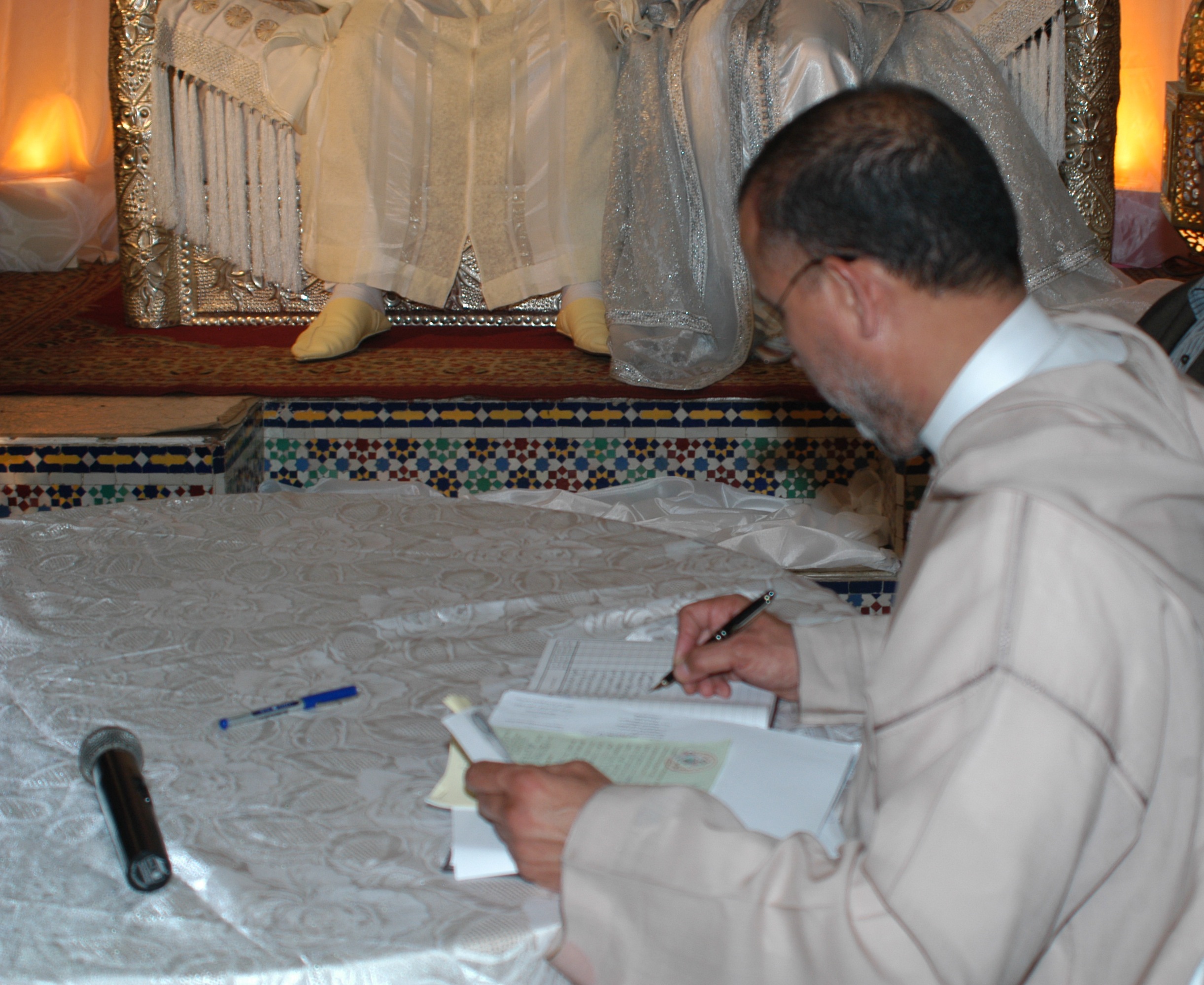
The Justice, Legislation, and Human Rights Committee of the House of Councillors adopted, on Monday by majority vote, Draft Law No. 16.22 relating to the organization of the Adoul profession, in the presence of the Minister of Justice, Abdellatif Ouahbi. The bill was approved by seven councillors, while three abstained, with no opposition recorded.
Regarding the amendments, the government validated several proposals put forward by the subcommittee stemming from the Justice Committee.
These amendments concern in particular certain provisions of Article 5 relating to the conditions for exemption from the entry examination, the internship, and the end‑of‑internship examination. In its new version, the text includes magistrates who exercised their duties in that capacity prior to the acceptance of their resignation or their retirement, except in cases of disciplinary sanctions, as well as former adouls who ceased practicing for reasons unrelated to the honor of the profession.
The adopted amendments also concern Article 36, which originally stipulated that the adoul is responsible for all declarations and information recorded in deeds and certificates that he knows to be contrary to the truth. This provision was amended to clarify that the adoul is responsible for statements and information that are contrary to those provided by the parties.
The changes also affected Article 101, which stipulated that adouls carry out their duties under the supervision of the judge in charge of documentation within the territorial jurisdiction of their offices. This article was supplemented to specify that such supervision is carried out in coordination with the president of the competent regional council of adouls.
During the presentation of the draft law, Mr. Ouahbi emphasized that the introduced amendments aim to develop the profession, notably through the revision of access conditions, its upgrading, and the strengthening of its role within the judicial system.
He also referred to the strengthening of practitioners’ professional skills through the creation of training institutes, the establishment of mandatory continuous training, and the opening of the profession to certain professional categories in order to attract qualified profiles. The new draft law also guarantees legal protection for members of the profession through the introduction of new legal provisions, as well as its organization within the framework of a national professional order endowed with legal personality, replacing the professional association, the minister added.
The bill also seeks to strengthen governance bodies by expanding their representative powers, granting a legal basis to their decisions within their fields of competence, and ensuring the representation of women within the bodies of the national order, he concluded.