Kingdom
Healthcare System: A Gentle Revolution
Starting next September, the health reform will be rolled out through its four pillars in the Tanger-Tétouan-Al Hoceima region. The region will see the launch of its first Territorial Health Group (GST), the implementation of the new HR framework, the establishment of hospital centers, and the digitization of the entire system.

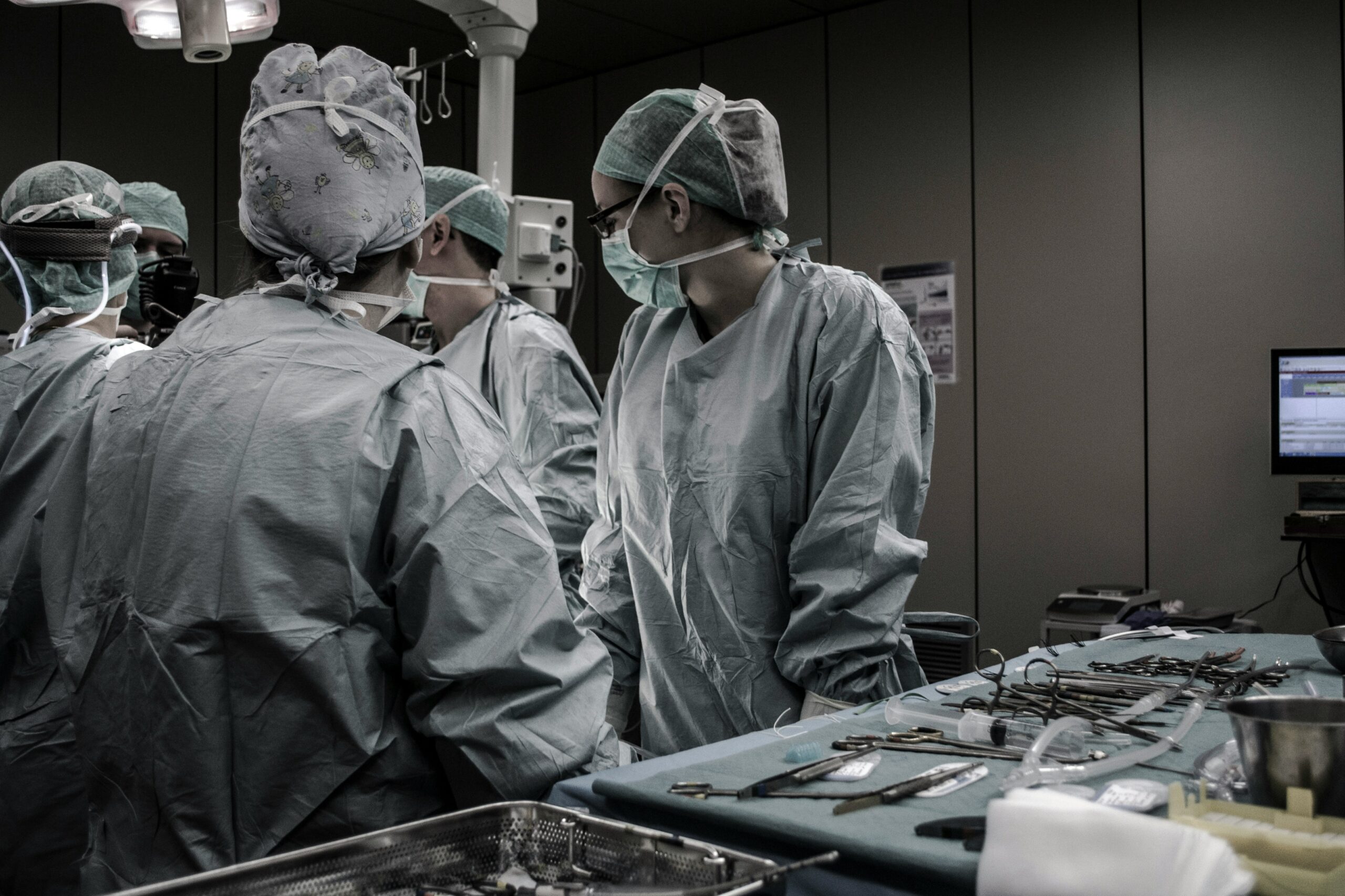
On Monday, July 7, in Casablanca-Settat, Morocco’s Minister of Health and Social Protection, Amine Tahraoui, presided over the launch of services for around ten urban and rural health centers across the region’s prefectures and provinces. These range from respiratory disease diagnosis and treatment centers to primary and secondary-level urban and rural hospitals.
These next-generation health facilities will provide medical and therapeutic services to a target population of over 821,000 residents. All are equipped with advanced medical devices, tools, and necessary human resources—at least one doctor and two nurses—to ensure normal operation upon commissioning.
This is neither extraordinary nor unprecedented for the minister; it has even become routine. And this reflects the reality on the ground—the same reality highlighted that day by the Head of Government during a plenary session on general policy questions before the House of Representatives.
A new reality Moroccans across the Kingdom are beginning to witness firsthand. As the Head of Government noted, Morocco once had barely four university hospital centers (CHUs). Today, nearly every region has a CHU, with some already operational, others under construction, and more in pre-construction phases.
In some cities, two CHUs—one public and one promoted by private investors—coexist. In Rabat, four CHUs are currently under development, two nearing completion. Meanwhile, human resources will be supported by public medical schools (one in each region) and private institutions.
For the first time in Morocco’s history, private healthcare players are expanding beyond major urban hubs. The healthcare map has never been so broad, particularly with the imminent rollout of Territorial Health Groups (GSTs), the first of which was recently launched in Tanger-Tétouan-Al Hoceima.
The reform is neither in its infancy nor fully complete. It is midway through a process improving as it progresses. It is unsurprising that the private sector now attracts more patients. Ultimately, a balance—even a public-sector advantage—should emerge between the two.
Certain practices will fade. Public-sector doctors will increasingly perform procedures in public hospitals, incentivized by enhanced allowances tied to caseloads. For patients, access barriers dissolve: with a CNSS-issued identifier centralizing the process, they can choose any facility—public or private—with guaranteed equal treatment and care quality.
The government’s program pledged, among other goals, to rehabilitate no fewer than 1,400 hospitals and health facilities under a 6.4-billion-dirham budget. To date, 949 facilities have been upgraded. By late 2025, the entire 1,400-center rehabilitation program will conclude—one year ahead of schedule. Universal health coverage (AMO) remains the objective.
While the government cannot mandate universal enrollment, it has implemented every conceivable measure to ensure all social categories, regardless of circumstance, benefit. Achievements in the sector are, by all metrics, unprecedented.
Pillars of the Reform
For the first time in Morocco’s history, the health reform aligns with a clear vision and is guided by a well-defined roadmap structured around four pillars: Governance, Human Resources, Infrastructure, and Digitalization.
In terms of governance, progress has shifted from drafting legal frameworks (five foundational and regulatory draft laws) to on-the-ground implementation. This includes establishing Territorial Health Groups (GSTs) to reconfigure healthcare policy management.
When it comes to human resources, a new statute for healthcare professionals has been enacted, with salaries revised to include performance-based incentives. Addressing workforce shortages remains critical—a challenge that could have been mitigated had proactive policies been adopted a decade earlier. The government is now bridging this gap:In 2020, Morocco had 1.7 healthcare professionals per 1,000 inhabitants. By 2025, this rose to 2.05. Commitments aim to reach 2.5 by 2026 and fully comply with WHO standards by 2030.
For instance, in regions like Guelmim—traditionally underserved by newly graduated doctors—the first cohort of its medical school will graduate in 2029. Starting that year, 100 locally trained physicians will be assigned annually to the region.
Regarding to infrastructure, each region now has a University Hospital Center (CHU), with some still in development. This complements upgrades to regional hospitals and new provincial healthcare facilities.
Concerning digitalization, a strategic initiative set to transform the healthcare system, digitalization will debut in the Tanger-Tétouan-Al Hoceima region (pilot site for GSTs). It entails interconnecting the CHU, regional/provincial hospitals, specialty clinics, and primary/secondary health centers into a unified network.
Like the GST rollout and the revised civil servant compensation framework (including flexible pay components), healthcare digitalization will take effect starting September 2025—achieved in under four years. As the Head of Government stated, this marks a “gentle revolution” reshaping Morocco’s health system.
“100% Made in Morocco” Medications
The newly established National Medicines Agency recently convened its first board meeting, marking its official launch. Its core mission is to advance Morocco’s pharmaceutical sovereignty by reducing dependency on imports.
Progress is already underway: Morocco currently produces 70% of its domestic medication needs; The Kingdom has built a generic drug industry covering 40% of national consumption, providing citizens with affordable, effective treatments.
The government has outlined an ambitious roadmap, including investor incentives that spurred the creation of 53 specialized industrial units. These complement the Benslimane vaccine production facility, now operational.
This initiative positions Morocco to meet a significant share of its own needs and those of the African continent, aligned with the national vaccination program. Approximately 5.5 million doses are slated for production in 2025 and 2026.