Kingdom
Health reform: Aziz Akhannouch reviews the progress of ongoing projects
The Steering Committee for the reform of the national health system examined the progress of the major initiatives, notably marked by the rehabilitation of health centers, the development of hospital infrastructure, and the acceleration of the sector’s digital transformation.

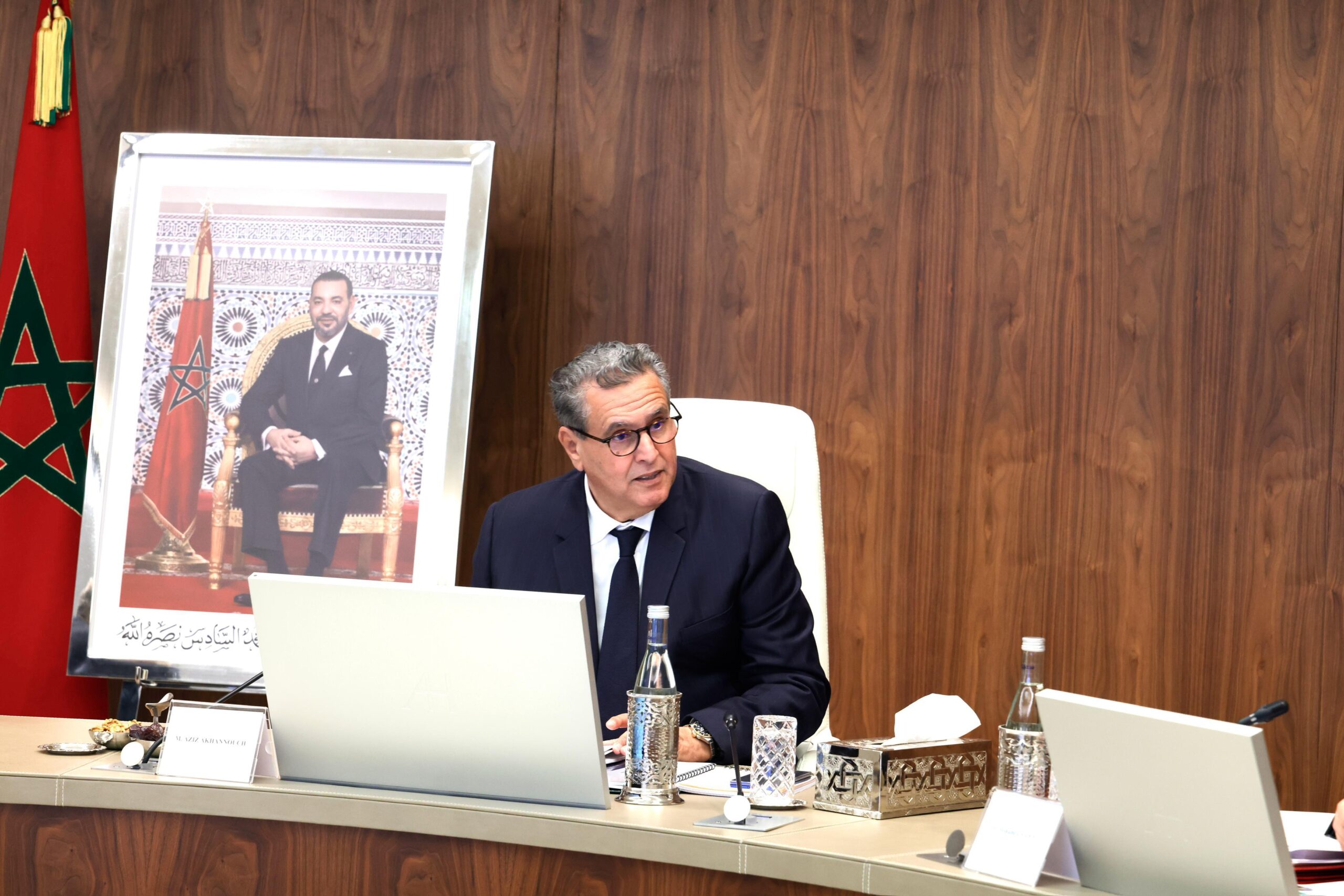
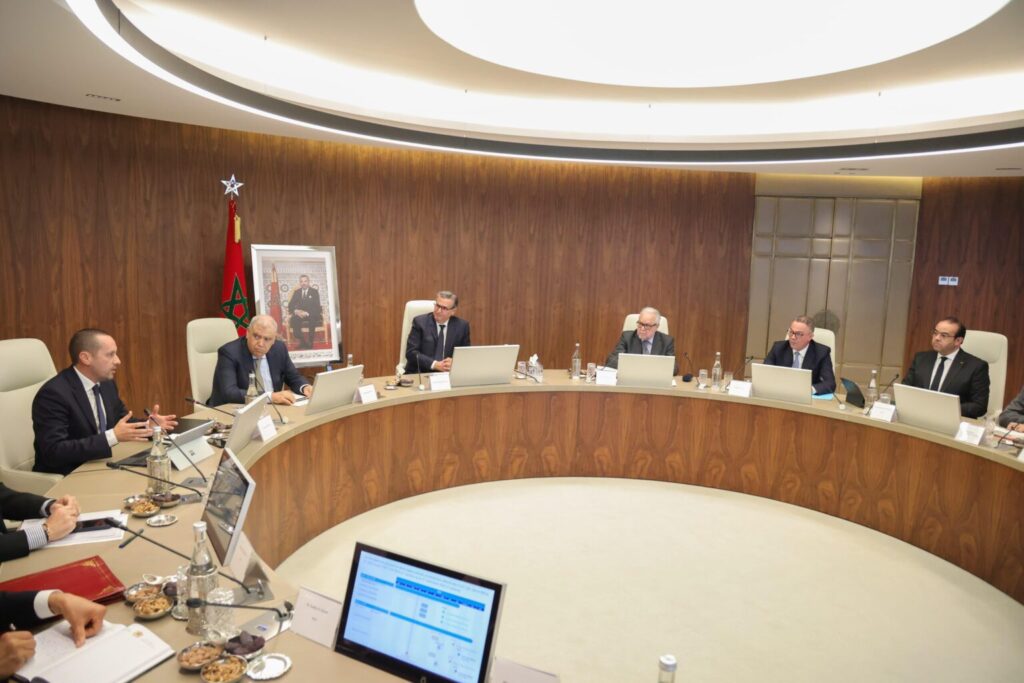
The Head of Government, Aziz Akhannouch, chaired on Tuesday, April 14 in Rabat, a meeting of the Steering Committee for the reform of the national health system, dedicated to monitoring the implementation of the various major projects of this strategic reform, in accordance with the High Royal Guidelines aimed at establishing an efficient, sustainable, and equitable health system that ensures fair access to quality care for all citizens, according to a statement.
At the opening of the meeting, the Head of Government recalled the forward-looking royal vision that positions territorial health groups as a central lever for ensuring the integration of different levels of care and realizing the regionalization of the health system, calling for the mobilization of all concerned departments to accelerate their implementation, following the appointment by His Majesty the King of five directors general to lead them, the same source adds.
He also welcomed the good progress of the program to rehabilitate primary healthcare facilities, notably marked by the completion of the upgrading of 1,400 health centers and the launch of the second phase of the program, while emphasizing the government’s efforts to strengthen an efficient and equitable health system that places citizens at the heart of priorities.
The committee reviewed the progress of the major projects, particularly the rollout of territorial health groups, which is showing positive momentum in the pilot region of Tangier-Tetouan-Al Hoceima, reflected in an increase in the number of beneficiaries, a strengthening of medical staff, and improved coordination among healthcare facilities at the regional level.
Regarding health infrastructure, the committee took note of the progress of hospital projects, stressing the need to accelerate the completion of major structural projects, with 2026 expected to be marked by the completion of 15 hospital projects across the Kingdom, making it possible to expand healthcare capacity by approximately 3,000 additional beds as part of efforts to strengthen territorial equity, the statement indicates.
Moreover, the program to build six university hospital centers, mobilizing a total investment of more than 20.6 billion dirhams for a capacity of nearly 3,807 beds, is ongoing, with the Mohammed VI University Hospital Center in Agadir presented as an advanced model of a new-generation hospital facility equipped with cutting-edge technology.
At the level of primary healthcare, the committee noted the progress of the program to rehabilitate 1,600 new health centers with a total budget approaching 6 billion dirhams, the first phase providing for the scheduling of 500 centers for the year 2026, in order to strengthen local services and territorial equity, particularly in rural and remote areas.
In terms of digital transformation, significant progress has been recorded, with the data completion rate of the health map project reaching around 95%, while an integrated national digital platform bringing together data from the public and private sectors has been finalized, with its launch expected soon to strengthen the governance of the health system and optimize resource allocation, the same source specifies.
The committee also reviewed the progress of the shared medical record project and the electronic care form, highlighting the completion of technical developments and preparations for a gradual rollout starting in 2026, these tools aiming to improve continuity of care, coordination of care pathways, and the simplification of procedures within an integrated digital ecosystem.
Progress has also been made in the development of the emergency medical assistance system (SAMU), based on the regional model implemented in the Rabat-Salé-Kénitra region, which is set to be gradually extended to all territorial health groups in order to improve response times and the quality of emergency care.
Within the same framework, the “Chikaya Santé” digital platform has been strengthened through the establishment of a national integrated system for managing user complaints, supported by a national call center and digital tools enabling the tracking of grievances, while progress has also been made in the digitalization of the Moroccan Agency for Medicines and Health Products, notably with the launch of the first components of a unified digital portal to improve transparency and the management of procedures related to health products, the statement concludes.