Kingdom
HCP: The number of people in paid employment exceeds 10.3 million
According to the High Commission for Planning (HCP), the labour force (persons in paid employment and those unemployed in the strict sense) stood at 11,617,000 people in Q1 2026. Nearly 63.6% of this population group live in urban areas. Moreover, women account for only 21% of the labour force, in stark contrast to their predominant share within the non‑labour‑force population (71.2%).

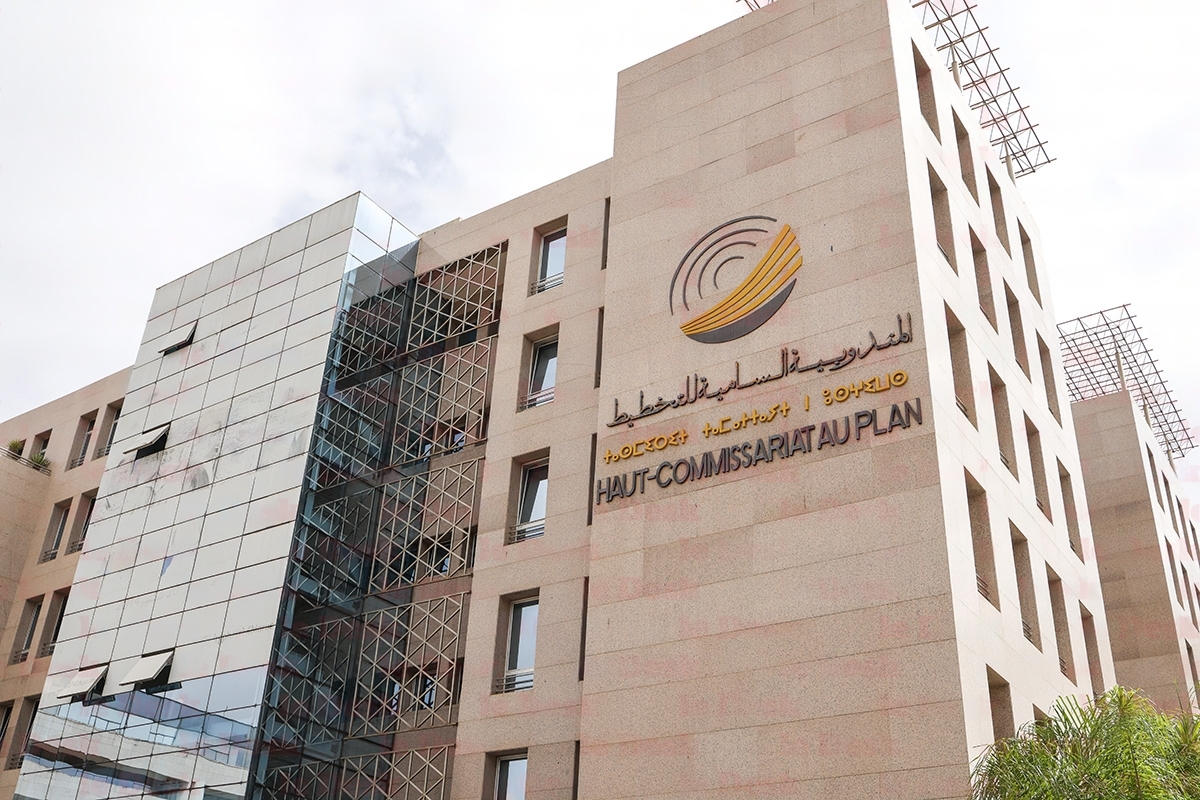
The working‑age population (15 years and over) stood at 27.8 million people in the first quarter of 2026, according to the latest information note issued by the High Commission for Planning (HCP) on the situation of the labour market in Morocco.
This population is divided into two mutually exclusive categories based on labour market status: the labour force (comprising persons in paid employment and those unemployed in the strict sense) and the non‑labour‑force population, which includes the potential labour force, the HCP specifies in this note, which is based on the results of the new Labour Force Survey (LFS 2026).
The labour force (persons in paid employment and the unemployed in the strict sense) stood at 11,617,000 people in Q1 2026, according to the same source, which adds that nearly 63.6% of this population group live in urban areas. Moreover, women account for only 21% of the labour force, in sharp contrast with their predominant share within the non‑labour‑force population (71.2%).
The labour force participation rate (the share of the labour force within the working‑age population) reached 41.8% at the national level (41.0% in urban areas and 43.3% in rural areas). A very marked disparity was observed between men and women: the rate stands at 66.4% for men, compared with only 17.5% for women.
The 25–34 and 35–44 age groups record the highest labour force participation rates, at 56.7% and 56.5% respectively, followed by those aged 45 and over (38%). Young people aged 15–24 register the lowest rate (23.4%).
As for the number of persons in paid employment, it reached 10,364,000 people. Nearly 61.7% of this population live in urban areas, and 19.7% are women.
The employment‑to‑population ratio thus stood at 37.3% (35.5% in urban areas and 40.7% in rural areas). This rate reaches 60.1% among men, compared with 14.7% among women.
By age group, it peaks at 52.8% among people aged 35–44, followed by those aged 25–34 (47.6%). It declines to 36.4% among those aged 45 and over, before reaching its lowest level among young people aged 15–24 (16.6%).
The LFS 2026 constitutes the first survey of a new generation of labour market surveys in Morocco, designed in line with the latest international standards adopted at the 19th, 20th and 21st International Conferences of Labour Statisticians (ICLS) of the International Labour Organization (ILO). It replaces the National Employment Survey (NES).