Business
Engins: Old Gear, Steadfast Resistance
Representing nearly 80% of the machines sold each year in Morocco, the used-equipment market slows the growth of new equipment. Its regulation has become a battleground for distributors.

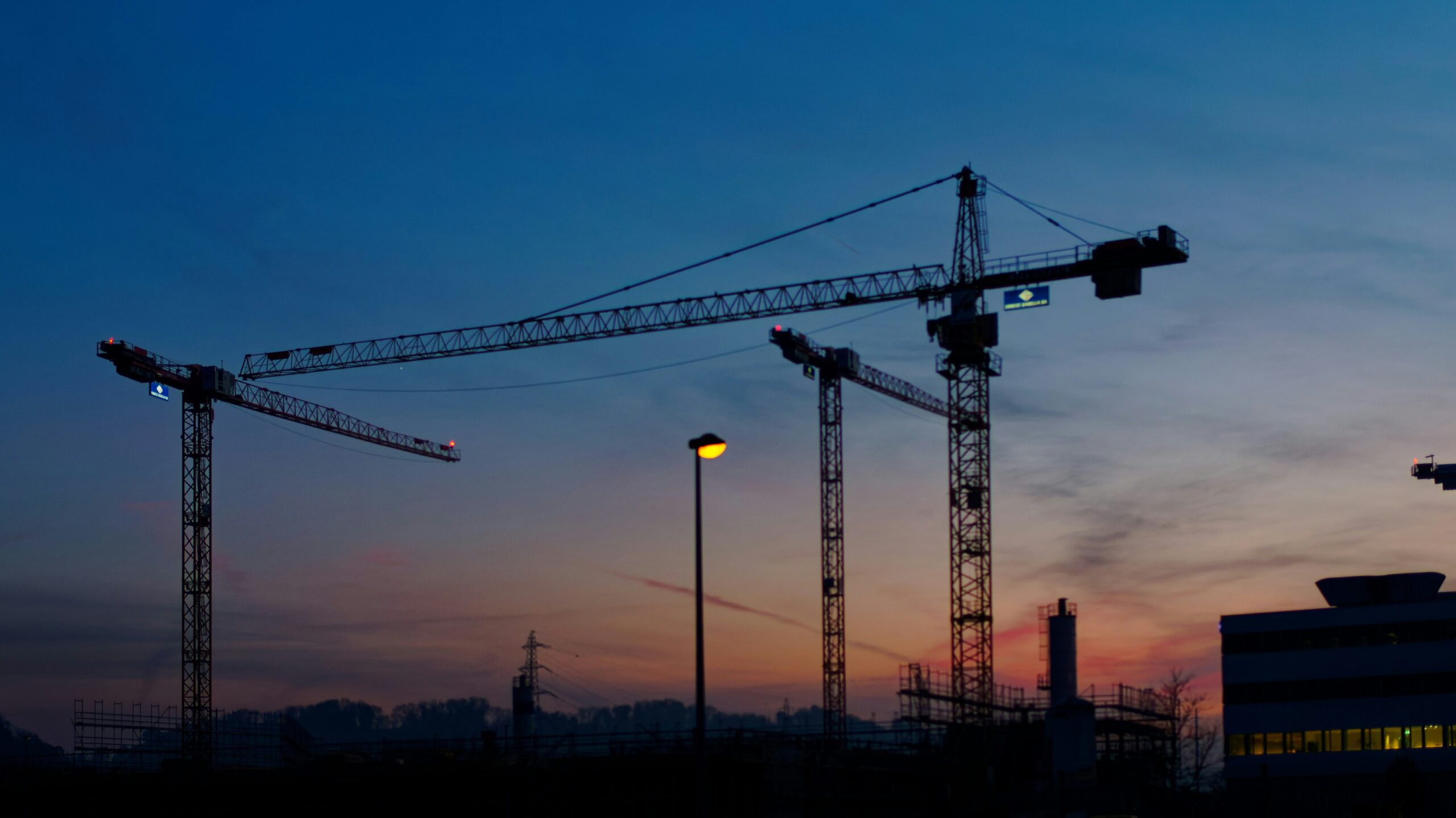
The three distributors interviewed are all unanimous. Used equipment continues to tarnish their activities. Equipment favored by several construction companies that want to equip themselves at a lower cost. Domenico Paduano noted that many of his clients prefer to buy used cranes, since the government decided, in 2014-2015, to raise the maximum import age of cranes from 5 to 12 years.
“This has disrupted our activity, and we have shifted from a market where the quality and performance of the machinery were priority to a market dominated by equipment that is obsolete in its country of origin and finds a new life in Morocco, to the detriment of the safety and performance of the machinery,” laments the CEO of Vemat Group. According to Amine Lahrichi, out of the 3,000 machines sold each year in Morocco, 2,300 are used equipment. That is almost 80% of the market. For more than ten years, his AIM BTP association has made it its battleground.
Regulating to help foster a local market
“Certainly the market is still there, but it is much less important than before. This is an issue we are trying to resolve with the Ministries of Equipment and Sustainable Development, so that we can finally regulate the market. The construction sector is the only market in Morocco that is not regulated. And that must be corrected,” the expert states.
For Hugo Lefort, commercial director of SRM BTP, “the real priority is to regulate the massive imports of used equipment, which flood the market and curb the growth of new equipment.” Regulating imports of old machines, as has already been applied to vehicles, to foster the emergence of a real used-equipment market, is AIM BTP’s wish. “Large construction companies that are used to buying these assets know that after a certain age or a certain date, they start to cost more than they bring in. Once the equipment is amortized on the books after 48 months, they may add one year, or perhaps two years maximum, before selling it,” explains Lahrichi.