Kingdom
Elimination of Child Labour: The ILO Director-General Praises Morocco’s Commitment
Speaking at the opening ceremony of the 6th Global Conference on the Elimination of Child Labour, Houngbo also congratulated the Kingdom on its partnership with the ILO and the entire United Nations system.

The Director-General of the International Labour Organization (ILO), Gilbert Houngbo, on Wednesday in Marrakech praised Morocco’s leadership and its strong commitment to eliminating child labour.
Speaking at the opening ceremony of the 6th Global Conference on the Elimination of Child Labour, Houngbo also congratulated the Kingdom on its partnership with the ILO and the entire United Nations system.
In this context, he stressed the importance of international cooperation in the face of this global challenge, which requires coordinated action at the international level, particularly within the United Nations system, where many agencies work jointly to support countries through education programmes, school feeding initiatives, and social protection schemes.
“By working together—governments, international organizations, workers, employers and civil society—we can accelerate progress,” he continued.
Moreover, Houngbo highlighted “the very encouraging progress made worldwide since 2020 in reducing child labour,” considering, however, that “this progress remains very insufficient.”
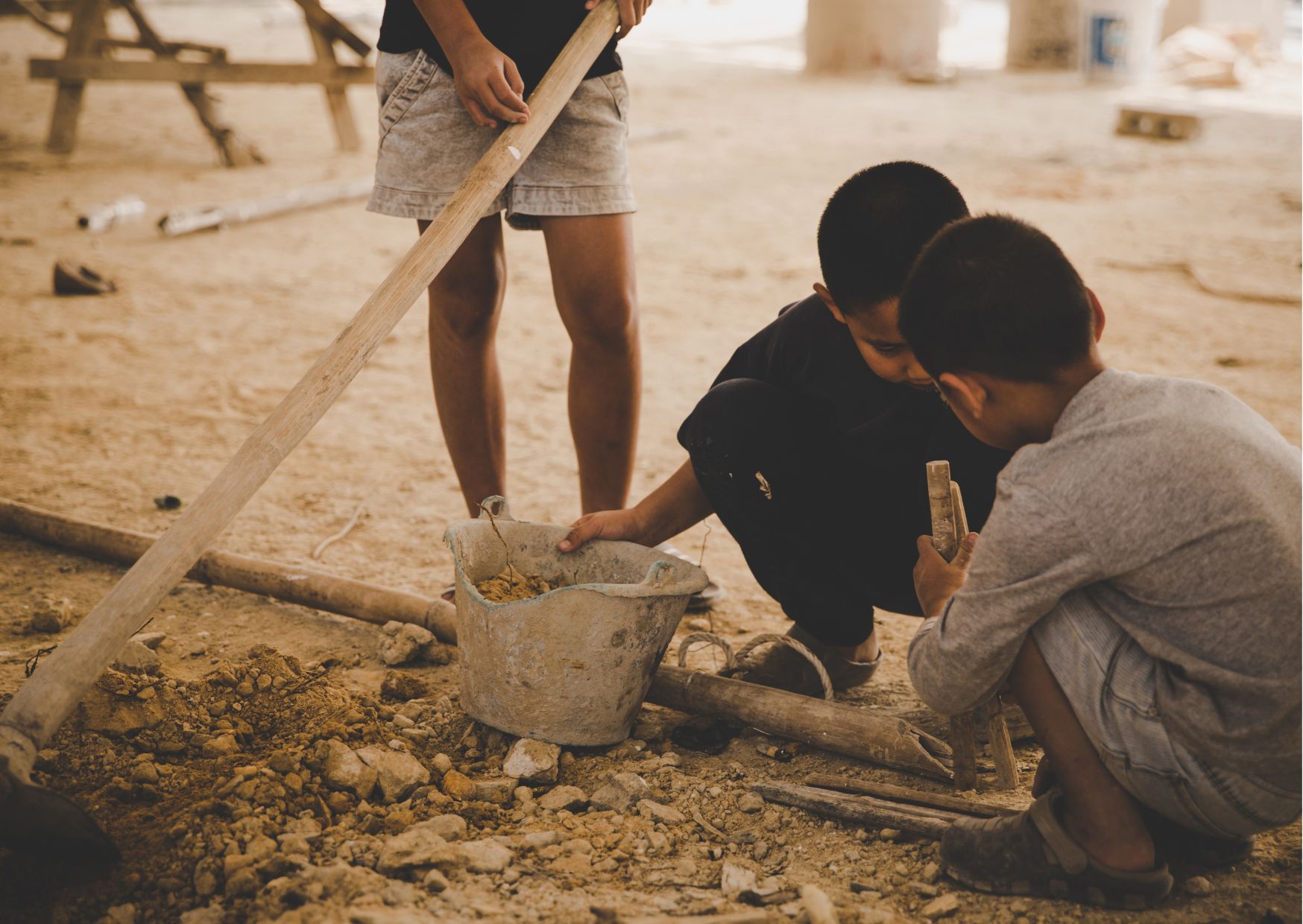
“Since 2020, the number of children in child labour has decreased by about a third,” he said, noting that “hazardous child labour has also fallen sharply.”
“We are still far from achieving Sustainable Development Goal target 8.7, which calls for the elimination of child labour,” he lamented, observing that child labour undermines productivity, weakens economic growth, perpetuates social inequalities, and deprives communities of the full potential of their human capital.
Regarding the priority actions to combat this phenomenon, the UN official cited prevention, investment in universal, free and quality basic education, improving teachers’ working conditions, and strengthening infrastructure, social protection and decent work, in order to keep children—especially girls—in school.
Houngbo also pointed out that the impact of climate change further exacerbates vulnerabilities and erodes livelihoods, displaces millions of people and increases the risk of child labour, while also emphasizing the role of workers’ and employers’ organizations in designing effective policies and implementing them.
“Digital transformation also offers opportunities, but it also entails risks,” he continued, noting that “while technology can improve monitoring and prevention, it can also expose children to new forms of exploitation—hence the need to ensure that it is designed and regulated with children’s rights at the heart of priorities.”
Held under the High Patronage of His Majesty King Mohammed VI, this meeting, which runs until 13 February, will make it possible to take stock of the progress achieved and the persistent challenges since the 5th Global Conference held in Durban in 2022, and to strengthen peer learning, international cooperation and the coherence of public policies at national, regional and global levels.
Organized by the Ministry of Economic Inclusion, Small Business, Employment and Skills in partnership with the ILO, this major international conference also aims to highlight the links between eliminating child labour and the other fundamental principles and rights at work.
It also seeks to give new impetus to action in support of fundamental principles and rights at work and to encourage new commitments in this regard, notably through the Global Coalition for Social Justice.