Kingdom
Drinking water: More than 51% of the rural population benefits from individual connections
Since the launch of the National Programme for Drinking Water Supply and Irrigation in 2020, the National Office of Electricity and Drinking Water (ONEE) has invested around 5 billion dirhams (MAD 5 billion) to strengthen water production and supply facilities.

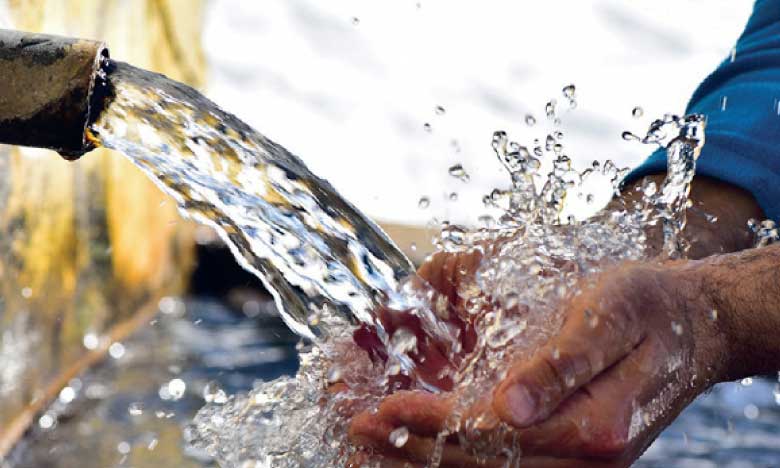
More than 51% of the rural population benefits from individual access to drinking water, stated the Minister of Equipment and Water, Nizar Baraka, on Monday in Rabat.
In response to an oral question on the generalisation of individual drinking water connections in the House of Representatives, Mr Baraka explained that this rate has seen a gradual increase, rising from 22% in 2004 to 30% in 2010, before currently exceeding 51%. He noted that the number of households connected to drinking water has reached approximately 1.4 million homes.
The Minister also stressed that this progress forms part of the implementation of the National Programme for Drinking Water Supply and Irrigation, launched in 2020.
Since the launch of this programme up to 2025, the National Office of Electricity and Drinking Water (ONEE) has invested around 5 billion dirhams (MAD 5 billion) to strengthen production and supply infrastructure, he specified.
He further reported that water supply has been planned by 2030 for around 11,050 rural villages (douars), in addition to a further 7,890 douars within this framework, at an estimated total cost of approximately MAD 10 billion, financed in partnership with the Ministry of the Interior, regional multi‑service companies, and the Ministry of Equipment and Water.
This project, Mr Baraka continued, will make further progress under the new legal framework whereby regional multi‑service companies will assume responsibility for managing this sector as part of advanced regionalisation, with the participation of elected officials on their boards of directors. This, he said, will help strengthen solidarity between urban and rural areas and expand the number of beneficiaries.