Kingdom
Defense Industry: Morocco Embraces Its Rise in Power
While Europe is discovering its vulnerabilities, the Kingdom is accelerating: it is modernizing its armed forces, developing its defense industry, and asserting an assumed strategic autonomy.

Since September, Europe has been facing a new type of threat that systematically and coordinately targets critical infrastructure across the continent. Unidentified drones have flown over civil airports in Belgium, Denmark, Norway, and Germany.
More serious still: certain strategic military bases, including those housing NATO nuclear weapons, have been approached without any of these autonomous devices being intercepted.
These repeated intrusions reveal an unexpected vulnerability: that of European states that, despite possessing advanced technological means, are unable to prevent devices costing only a few hundred euros from disrupting air traffic, grounding aircraft, or threatening strategic installations.
The situation is such that Washington had to provide emergency support in detection and neutralization, highlighting the scale of this security breach.
Faced with threats of technological disruption (hypersonic missiles or fifth-generation stealth aircraft), but also with more low-cost threats capable of causing significant damage at a negligible cost, states no longer have a choice: they must develop their own sovereign capabilities to defend themselves and protect their vital interests. And this is something Morocco has perfectly understood.
While many countries are suffering from technological disruption, Morocco is anticipating it. And when certain military powers, long perceived as autonomous, find themselves forced to call on their American ally to urgently deploy anti-drone capabilities on their own territory, the Kingdom, for its part, is methodically developing a sovereign defense industry capable of producing, maintaining, and securing the technologies that will guarantee its freedom of action in an increasingly unpredictable world.
An Anticipated Strategic Break
The increase in the defense budget included in the 2026 Finance Bill (PLF 2026) stems neither from an arms race nor from a logic of display, but from a carefully constructed strategy centered on control, efficiency, and autonomy.
With 73 billion dirhams allocated to Defense, or about 4% of GDP, to which are added 157 billion dirhams in commitment authorizations allowing major programs to be planned over several years, the Kingdom is not seeking to accumulate weapons and military equipment, but to assume the operational obligations linked to the new-generation equipment acquired in recent years.
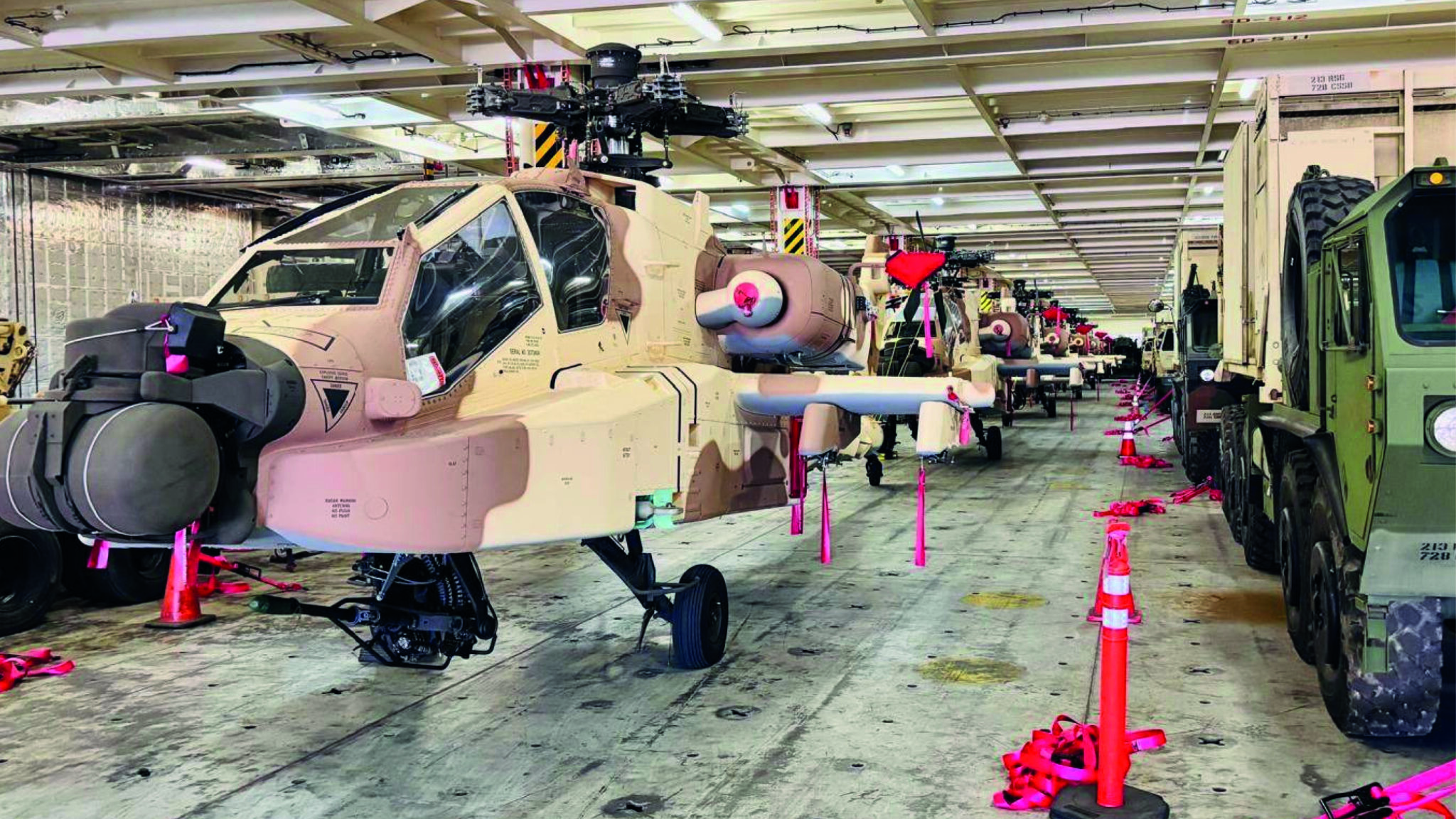
The F-16 Block 72s, Apaches, Bayraktar and Akinci drones, Patriot systems, HIMARS, and electronic warfare capabilities are not isolated acquisitions: they require heavy maintenance, continuous crew training, precision munitions, adapted infrastructure, and high-level logistical support.
A Budget Oriented Toward Capability
This upward budgetary dynamic reflects a profound change in paradigm: Morocco no longer aims merely to acquire equipment at any cost, but to structure its capabilities according to its operational needs, to develop a genuine industrial base, and to gradually free itself from external dependencies.
In other words, the Kingdom is not increasing its budget for appearances, but to guarantee the availability, coherence, and sovereignty of its defense apparatus in an increasingly unstable and demanding strategic environment.
The first production sites are finally coming into being this year, revealing the identity of the companies that will take part in building the Moroccan defense industry. Since the launch of this project in 2020 with the promulgation of Law 10-20 relating to the defense industry, much speculation had circulated about which segments would be produced locally first.
From the outset, many observers imagined that Morocco would follow the classic path taken by other emerging countries, such as Turkey or Egypt in their early stages, by starting with more technologically accessible segments: light weapons and ammunition, basic all-terrain vehicles for infantry, or optronic equipment intended to be integrated into more complex systems (areas in which the Royal Armed Forces already have solid experience).
However, the National Defense Administration surprised everyone by setting the bar much higher: production of last-generation high-tech drones, launch of 8×8 armored vehicles, and creation of a heavy maintenance and modernization center for F-16s and C-130s, intended to concentrate the best of aeronautical technology. In other words, Morocco did not choose the easy path: it decided to enter directly at the top end of the technological spectrum.
An Emerging Defense Industry
If the budgetary effort reflects a clear ambition, it is the industrial projects that reveal its strategic direction: localize, produce, maintain, and export.
The ten new projects announced by Abdellatif Loudiyi, Minister Delegate in charge of the National Defense Administration, totaling 260 million dollars and more than 2,500 direct jobs, materialize the will to build a genuine defense industrial base capable of reducing dependencies, securing critical segments, and above all responding to the operational needs of the Royal Armed Forces’ military personnel.
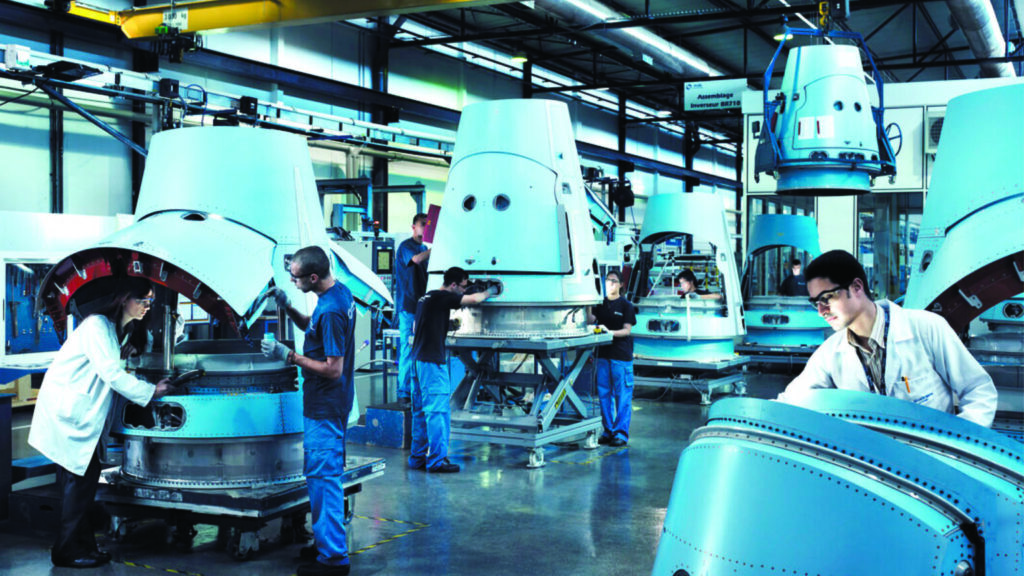
They cover the entire spectrum: drone production with BlueBird Aero Systems, a heavy maintenance center for F-16s and C-130s in cooperation with Lockheed Martin and Sabena Engineering, and WhAP 8×8 armored vehicles with Tata Advanced Systems.
This rise in power is not improvised: it is based on four years of structuring around targeted partnerships—Turkey for drones and armored vehicles, Israel for intelligent systems and tactical UAVs, the United States for aeronautical maintenance, India for armored vehicles—with the possibility of close collaborations with the Moroccan AMC (Aerospace Moroccan Cluster), as well as aeronautics operators already established in Nouaceur, such as the Safran Group.
In other words, Morocco is no longer merely subjected to the global arms market, but is beginning to take its place in it by building an ecosystem inspired by the Turkish and Israeli models, where start-ups, SMEs, and major industrial players cooperate to produce dual-use and export-oriented technologies. If Morocco is now able to structure an ambitious, modern, and credible defense industry, it is first and foremost thanks to the enlightened vision of His Majesty King Mohammed VI, who has placed strategic, industrial, and technological sovereignty at the heart of strengthening the national defense apparatus. For several years, the Kingdom has followed a coherent trajectory: modernizing its forces, structuring its industry, anticipating threats, mastering disruptive technologies, and gradually building an ecosystem capable of sustaining the defense effort over the long term.
Building a Sovereign Ecosystem
Morocco is now entering a new stage of its defense sovereignty: structuring an industrial base capable of producing, maintaining, and exporting cutting-edge equipment, while forming a national ecosystem of influence, skills, and strategic culture.
The royal vision sets the course, but its success rests on a coherent whole: targeted technological partnerships, secure industrial zones, a modernized military doctrine, and a rise in human capital.
To be sustainable, this ambition will need to be accompanied by dedicated university tracks in military and security strategy and in the defense industry, which are still non-existent, by specialized forums, trade fairs, or events related to the military industry sector, and by an economic intelligence strategy adapted to global markets.
This dynamic also relies on continuity in institutional leadership, which has ensured the coherence of the legal framework, the rigorous selection of partners, and the transition toward a capability-based logic.
In this process, the Minister Delegate, Abdellatif Loudiyi, has played a discreet but essential role, ensuring the gradual structuring of the foundations of this nascent industry and the alignment of projects with the royal vision.
Morocco is thus moving forward methodically: its choices stem neither from improvisation nor from escalation, but from a strategy of controlled autonomy, designed to endure in an increasingly unpredictable and tense geopolitical environment.