Business
Cruise Tourism: Upswing and Challenges
Once in steep decline before COVID, Morocco’s cruise sector is now sailing smoother waters. This momentum could surge further with the opening of new cruise terminals in Casablanca and Agadir. Insight.

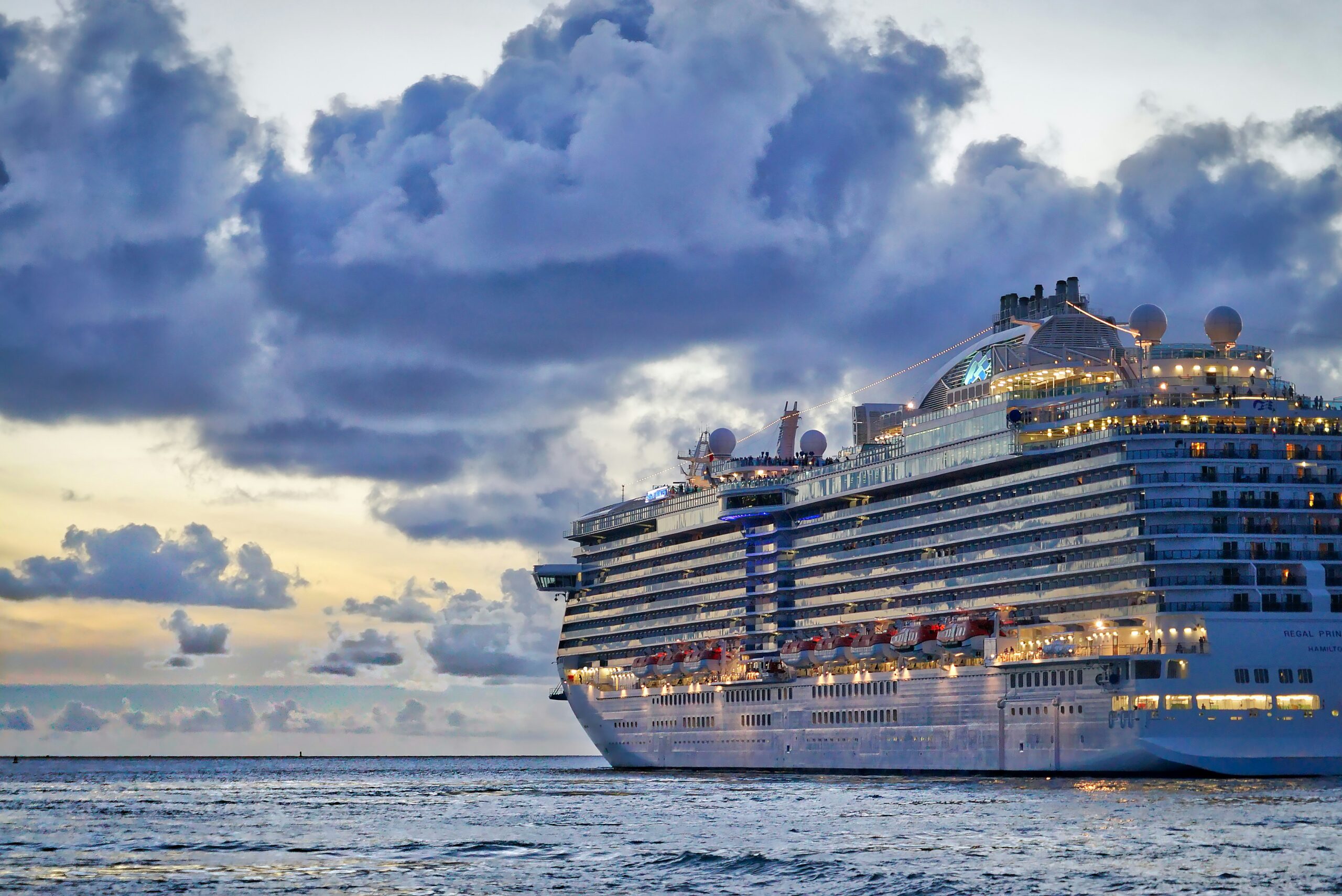
From gloom to upswing. After a steep drop in cruise ship stopovers between 2018 and 2020, Morocco’s cruise tourism appears to be regaining momentum. While official figures are still pending, a small survey among tour operators reveals positive trends.
“There was a significant decline between 2017 and 2019, but cruise activity nearly doubled after COVID. Post-pandemic, the Kingdom has repositioned itself as a leading destination for cruise operators,” confirms Jalil Madih, a Moroccan cruise tourism specialist.
This renewed enthusiasm among maritime companies for Morocco is a point of pride for the CEO of Alizés Travel, who brings 32 years of experience in the country’s cruise tourism sector. Backed by data, he shares: “In 2024, our agency managed between 120 and 150 port calls nationwide across the ports of Tangier, Casablanca, Safi, Agadir, and Dakhla.”
Nearly 200 Stopovers at Tangier City Port
According to our source, Tangier City Port emerged as the most sought-after destination, with 150 to 180 stopovers—translating to 250,000–350,000 cruise passengers—largely due to streamlined digital procedures for tourists, who typically stay less than 24 hours. This is followed by the ports of Casablanca, Agadir, Safi, and Dakhla.
For him, two main factors explain these impressive numbers: Morocco’s strategic location and congestion at foreign ports like Barcelona, Venice, Malaga, and Tunis. This has driven many cruise operators to reroute itineraries toward Moroccan ports.
Better Leveraging Dakhla and Safi Ports
When questioned about stopovers in Dakhla, Madih notes that his agency handles 8 to 10 annually, limited by insufficient logistics to facilitate operations. “The port cannot accommodate large 150- or 170-meter ships. With limited infrastructure, we only receive mid-range vessels,” he explains.
The same applies to Safi’s port. In his view, the state would benefit significantly from investing in these port facilities to attract more tourists drawn to the region’s white dunes, lagoons, and Saharan culture.
The cruise operator reveals that 2025 is already off to a promising start: “We’ve managed 70–80 national stopovers so far, with major liners like Norwegian Cruise Line, Princess Cruises, Holland America Line, and Azamara Cruises arriving regularly.” Other companies, including MSC, Costa, and Silversea, also dock at Moroccan ports.
A Major Financial Windfall
Madih, who also chairs the Maritime and Coastal Commission at Casablanca’s Regional Tourism Council (CRT), emphasizes that cruise tourism represents a critical niche to develop, given its potential to inject substantial revenue into state coffers.
For example, premium cruise passengers spend €200–€500 daily, while standard passengers spend €90–€130. The industry also vertically benefits sectors like handicrafts, tourist transport, and dining. “Passengers docking in Casablanca often travel to Marrakech, El Jadida, Meknes, Fes, and Rabat, boosting cultural tourism,” he adds.
Some ships even host fly-in passengers who disembark and stay 2–3 days in Moroccan ports, greatly benefiting hotels. “It’s no accident that Monaco and Malta invested billions in cruise ports. Many European nations are also upgrading terminals and docks,” stresses the expert.
Casablanca’s Cruise Terminal
Despite progress, Madih argues urgent improvements are needed to better market Morocco as a destination. Chief among them: operationalizing Casablanca’s new cruise terminal, completed three years ago. “Casablanca’s port is primarily commercial. The state addressed our plea by building a world-class terminal, but it remains inactive,” he laments.
“This facility would be a major asset to boost Casablanca’s appeal and attract more cruisers to Morocco.” He criticizes current disembarkation conditions in Casablanca as “unworthy of global standards,” leading operators like Ritz Carlton to avoid stopovers until the terminal opens. “Their high-end clients, paying thousands, expect better,” he explains.
These ships now favor rivals like Barcelona, Malaga, Tenerife, Monaco, the Canary Islands, Funchal, and Lisbon in the western Mediterranean.
On April 4, 2024, Morocco’s National Ports Agency (ANP) selected a consortium led by UK-based Global Ports Holding (GPH) as the preferred bidder to operate the Casablanca terminal under a 15-year concession.
Training Guides in Foreign Languages
The future terminal, a 715-million-dirham ($74 million) project for boarding and disembarking cruise ships, aims to address Morocco’s infrastructure gap and attract more passengers to Casablanca and other cities. It will handle 450,000 passengers annually and accommodate ships up to 350 meters long.
In late June 2025, ANP also launched a tender for a new study on Agadir’s cruise terminal. The 2.7-million-dirham ($280,000) technical study updates prior plans to align with sector trends, environmental constraints, and international standards.
Madih stresses the need to train guides in Italian, German, and English. “We struggle to find multilingual guides, especially in Tangier during peak season (September–December). We’re forced to bring them from Casablanca,” he notes.
With these upgrades, he believes Morocco—whose potential remains underutilized—could welcome 500,000 to 1 million cruise passengers across five ports within five years.